Side effects
Ozempic Constipation: How to Get Things Moving Again
By The My GLP Buddy Team · Medically reviewed by Dr. Matt K, MD · Updated June 2026
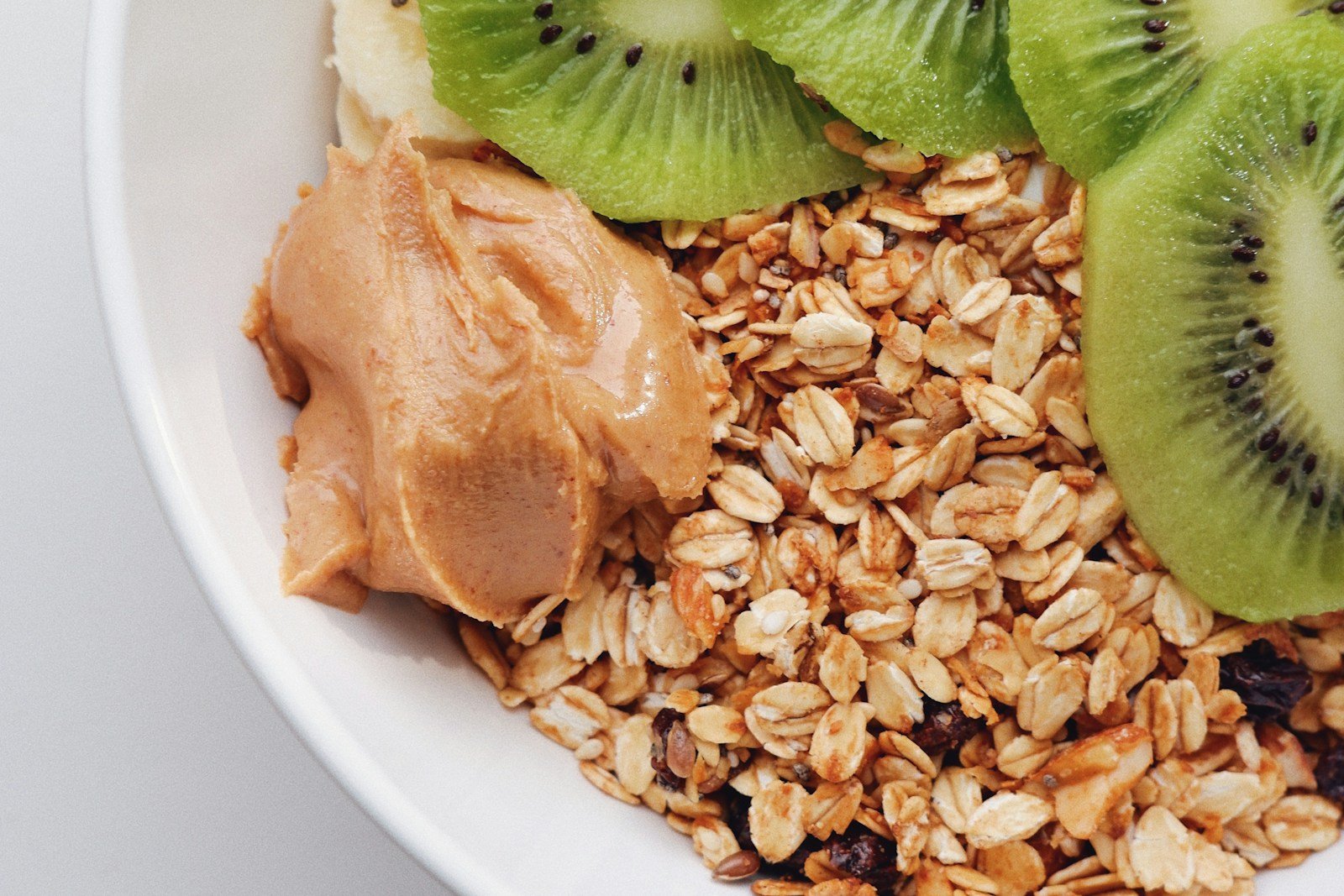
If Ozempic has slowed everything down, you’re not imagining it. Constipation is one of the most common GLP-1 side effects, because the medication slows your whole digestive tract, not just your stomach. The fix is usually simple and a little boring, in the best way. More water, around 8 to 10 cups a day. Gradually more fiber. A little magnesium. Daily movement. Most people turn it around within a week.
Below is the full playbook: why it happens, what actually works, whether laxatives are okay, how long this lasts, and the red flags that mean it’s time to call your doctor.
What's in this guide
Why it happens • The simple relief playbook • Are laxatives safe • How long it lasts • When to call your doctor • FAQ
Why GLP-1s cause constipation
Ozempic and other GLP-1s slow your digestive system on purpose. That’s part of how they keep you full longer. But a slower gut also means food and waste move through more slowly, so stools get harder and less frequent. Medical News Today’s medically reviewed overview ties it back to that same delayed gastric emptying.
It’s usually worst in the first 4 to 8 weeks and right after a dose increase, then settles for most people as your body adjusts. Some folks need to keep up the habits below the whole time, and that’s normal too.
The simple relief playbook
Four boring things fix this for most people. Stack them, don’t just pick one.
| Tool | What to do | Why it helps |
|---|---|---|
| Water | Aim for 8 to 10 cups a day | Keeps stool soft and things moving |
| Fiber | Add it gradually; psyllium husk has the best evidence | Bulks and softens stool. Going too fast can bloat you |
| Magnesium | Many use magnesium citrate before bed; ask your pharmacist about the right form and dose | Draws water into the intestines to soften stool |
| Movement | A daily walk, even 10 to 15 minutes | Physical activity helps the gut contract |
One honest tip: add fiber slowly. Piling on a big scoop of fiber on day one, without enough water, can leave you more bloated and stuck, not less. Pair every fiber boost with more fluids.
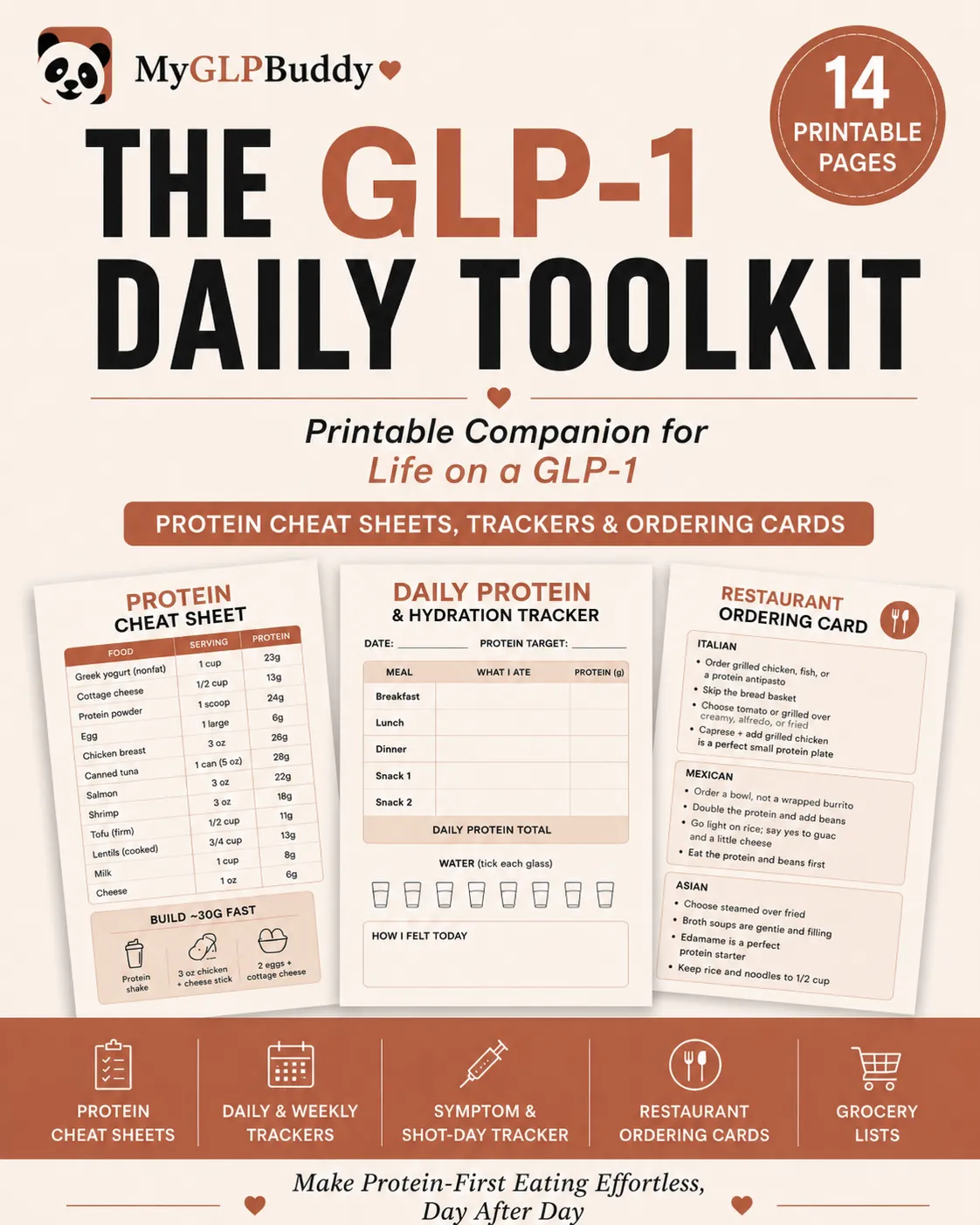
Track it without the guesswork
Our GLP-1 Daily Toolkit has simple water, fiber, and symptom trackers plus a side-effect cheat sheet, so you can see what is working and stay ahead of the rough days.
Are laxatives safe on Ozempic?
Often, yes, for short-term use. There’s no official rule against taking a laxative with semaglutide, but it’s smart to ask your doctor or pharmacist first. Osmotic laxatives like polyethylene glycol (MiraLAX) tend to work well without causing dependency, and a stool softener can help too. According to GoodRx’s pharmacist-reviewed guide, the move to be careful with is leaning on stimulant laxatives long-term.
If a laxative isn’t helping after 2 to 3 days, don’t just keep doubling up. That’s a sign to check in with your provider.
How long does Ozempic constipation last?
For most people it’s worst in the first 4 to 8 weeks and after each dose increase, then eases as your body settles into the medication. A smaller group deals with it on and off the whole time, and just keeps the water, fiber, magnesium, and movement habits running in the background.
Either way, you have real tools here. This is one of the more manageable GLP-1 side effects once you know the playbook.
The best fiber for GLP-1 constipation
Fiber is the most useful daily tool here, but the type and the way you add it matter. Psyllium husk has the strongest evidence for constipation relief: it forms a soft gel in the gut that softens stool and helps it move. You will find it as a powder or in capsules, and a small daily dose is a good place to start.
The golden rule is to add fiber slowly and always with plenty of water. Piling on a big scoop on day one, without enough fluid, can leave you more bloated and more stuck, not less. Build up over a week or two, and pair every fiber boost with a full glass of water. Whole-food fiber from fruit, vegetables, oats, beans, and lentils counts too, and those overlap nicely with the protein options in our high-protein foods guide.
Magnesium: which kind and how to use it
Magnesium is one of the most effective and underused tools for GLP-1 constipation. It works by drawing water into the intestines, which softens stool and encourages things to move. Many people find a dose in the evening helps them go more comfortably the next morning.
The forms most often used for constipation are magnesium citrate and magnesium oxide, rather than the kinds marketed mainly for sleep or muscle cramps. Because the right form and dose depend on you and any other conditions or medications, check with your pharmacist or provider before starting it, especially if you have kidney issues. Used sensibly, it is gentle and not habit-forming the way stimulant laxatives can be.
Hydration: the simplest fix people skip
When you eat less, you usually drink less too, and dehydration is a major reason stool turns hard and slow. Fluids are what keep everything soft and moving, so getting enough water is often the single highest-impact change you can make.
Aim for steady sips through the day, roughly eight to ten cups, rather than trying to catch up all at once. Warm fluids in the morning, like a mug of water or herbal tea, can give your gut a gentle nudge. And every time you add fiber, add water alongside it, since fiber without enough fluid makes constipation worse rather than better.
Movement gets things moving
Physical activity helps your gut contract and push things along, so even a little daily movement can make a real difference. You do not need a workout. A 10 to 15 minute walk, especially after a meal, is one of the easiest and most reliable ways to encourage a sluggish system.
If you are low on energy, keep it gentle, but keep it regular. Daily movement also helps with the fatigue and low mood that can travel alongside GLP-1 side effects. Our gentle exercise guide has short, low-energy routines that double as constipation support.
Foods that help, and foods that back you up
Some foods gently support regularity and are worth leaning on. Fiber-rich, water-rich choices do the most: berries, pears, kiwi, prunes, oats, chia and flax seeds, beans, lentils, and cooked vegetables. Prunes in particular have a well-earned reputation for getting things moving.
On the other side, very low-fiber, processed foods, large amounts of cheese, and a diet that is almost all lean protein with no plants can make constipation worse. You do not need to overhaul your meals, just make sure some fiber and fluid ride along with all that protein.
A simple daily routine to stay regular
Prevention beats treatment, and a light daily routine keeps most people moving. In the morning, start with a glass of water and something warm. Across the day, sip fluids steadily, include a couple of fiber-rich foods, and fit in a short walk, ideally after a meal.
In the evening, many people add their magnesium. None of this is dramatic, and that is the point: water, fiber, movement, and a little magnesium, done consistently, prevent the backed-up, bloated feeling far better than scrambling to fix it once it has set in.
What about probiotics and stool softeners?
If the basics are not quite enough, a couple of gentle additions can help. Some people find a daily probiotic supports more regular, comfortable digestion over time, though the effect varies from person to person. It is low-risk and worth a trial if you are curious.
For more immediate relief, an osmotic laxative like polyethylene glycol or a stool softener is generally considered safe for short-term use and does not cause dependency the way stimulant laxatives can. Ask your pharmacist which is right for you, and if nothing is working after a couple of days, that is your cue to check in with your provider.
One reader swore nothing worked until she added a nightly magnesium and an actual water bottle she carried everywhere. Two unglamorous habits, and by the next week things were finally moving again.
When to call your doctor
Most GLP-1 constipation is the annoying-but-manageable kind. Call your provider promptly if you have no bowel movement for more than 5 days, severe stomach pain, persistent vomiting, or any blood in your stool. Those can signal something more serious, like a blockage, and shouldn’t wait.
A note: this article is educational and not medical advice. Talk to your doctor, pharmacist, or registered dietitian before starting supplements or laxatives, especially if you have other health conditions.
Frequently asked questions
Increase water to 8 to 10 cups a day, add fiber gradually, try magnesium at night, and take a short daily walk. An osmotic laxative like MiraLAX can help short-term. Ask your pharmacist.
Psyllium husk has the strongest evidence. Start with a small dose and increase slowly, always paired with plenty of water.
Many people find magnesium helpful because it draws water into the intestines to soften stool. Ask your pharmacist about the right form and dose for you.
Short-term osmotic laxatives and stool softeners are generally considered safe, but check with your doctor or pharmacist. Avoid relying on stimulant laxatives long-term.
Contact your provider if you have no bowel movement for over 5 days, severe abdominal pain, persistent vomiting, or blood in your stool.
GB
The My GLP Buddy Team
Medically reviewed by Dr. Matt K, MD. We write plain-language, protein-first guidance for people navigating GLP-1 medications, reviewed by a physician for accuracy. Support for the day-to-day, not a replacement for your own care team.
Free download
Get the free GLP-1 grocery list
Protein-first meals and snacks, plus gentle weekly tips for eating well on your medication. No spam.