Side effects
Ozempic Nausea: What to Eat (and Avoid) to Feel Better Fast
By The My GLP Buddy Team · Medically reviewed by Dr. Matt K, MD · Updated June 2026
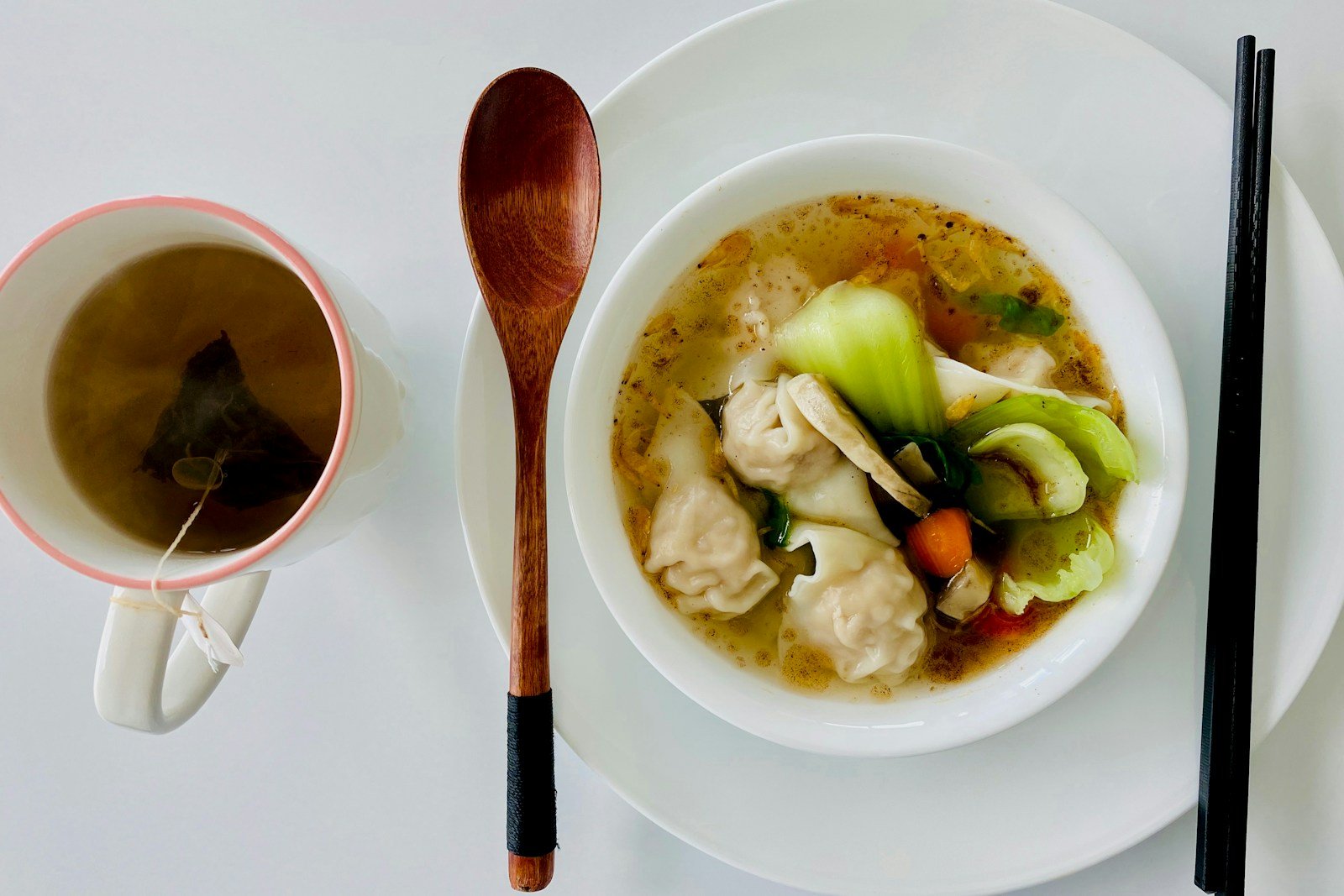
If you just started Ozempic and the nausea hit out of nowhere, first, breathe. It’s the most common side effect, and it almost always eases as your body adjusts. The quick fix: eat cold, bland, and small. Think crackers, plain toast, Greek yogurt, a banana, or clear broth. Skip the fried, greasy, sugary, and strong-smelling stuff. Eat slowly, stop when you’re satisfied, and don’t lie down right after.
Below is the gentle playbook: the foods that settle a queasy stomach, what to avoid, the timing tricks that actually help, and how long this usually lasts. No forcing food you can’t face.
What's in this guide
Why it happens • The best foods for nausea • Foods and drinks to avoid • How long it lasts • Timing tricks that help • When to call your doctor • FAQ
Why Ozempic makes you nauseous
Ozempic slows how fast your stomach empties. That’s part of how it quiets hunger, but it also means food sits longer, which can leave you feeling full, queasy, or just off, especially in the first few weeks and after a dose increase. The good news: for most people it settles as the body adapts.
The best foods for Ozempic nausea
On a queasy day, go cold and bland. Cold foods smell less, and a little something in your stomach usually beats an empty one. These are the gentlest picks.
| Food | Why it helps |
|---|---|
| Plain crackers or dry toast | Starchy and bland, settles a churning stomach |
| White rice or oatmeal | Warm, soft, easy to keep down |
| Banana or applesauce | Mild and soft, gentle on digestion |
| Cold Greek yogurt | Low-smell, and sneaks in protein |
| Clear broth or soup | Soothing and hydrating, easy to sip |
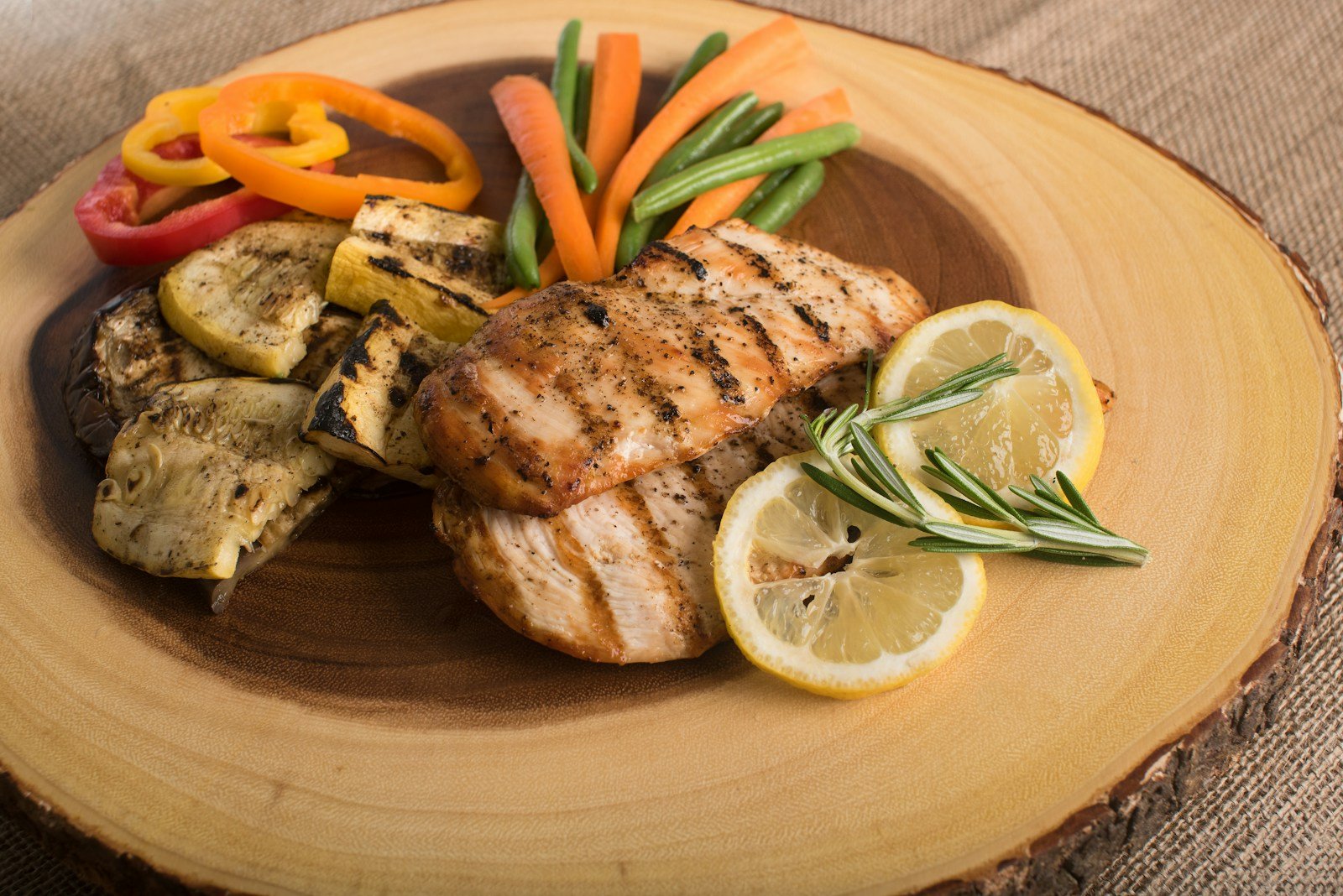
| Poached or plain chicken | Lean protein without grease or strong smell |
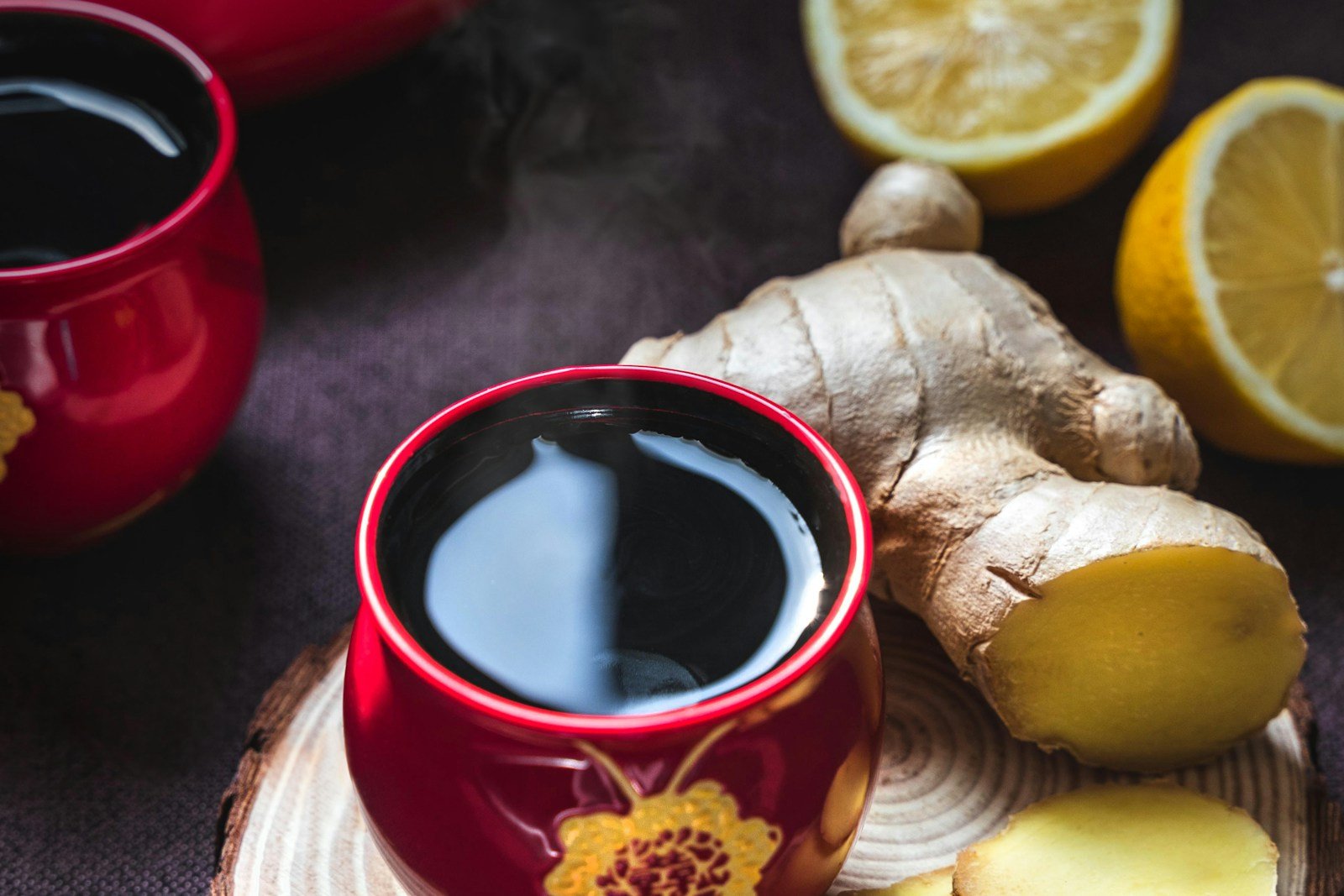
| Ginger tea | Ginger genuinely calms nausea for many people |
Medical News Today’s medically reviewed guide lands on the same gentle, bland-and-cold approach. One tip: skip ginger ale. It’s carbonated and sugary, which can actually make nausea worse.
Foods and drinks to avoid
These are the usual triggers when your digestion is already slowed:
- Fried and very greasy food
- Large, high-fat meals like pizza and creamy pasta
- Spicy or strongly scented dishes (the smell alone can turn your stomach)
- Very sugary foods and drinks
- Carbonated drinks, which add to bloating
- Alcohol, which can hit harder now
How long does Ozempic nausea last?
Here’s the part people really want to know. Nausea usually starts about 24 to 48 hours after your shot and passes within a few days, often 2 to 5. It tends to be worst in the first few weeks and after each dose increase, then eases as your body adjusts, according to GoodRx’s pharmacist-reviewed overview.
So if week one feels rough, that’s normal, and it’s usually temporary. Plan your gentlest eating for the day or two right after your dose.
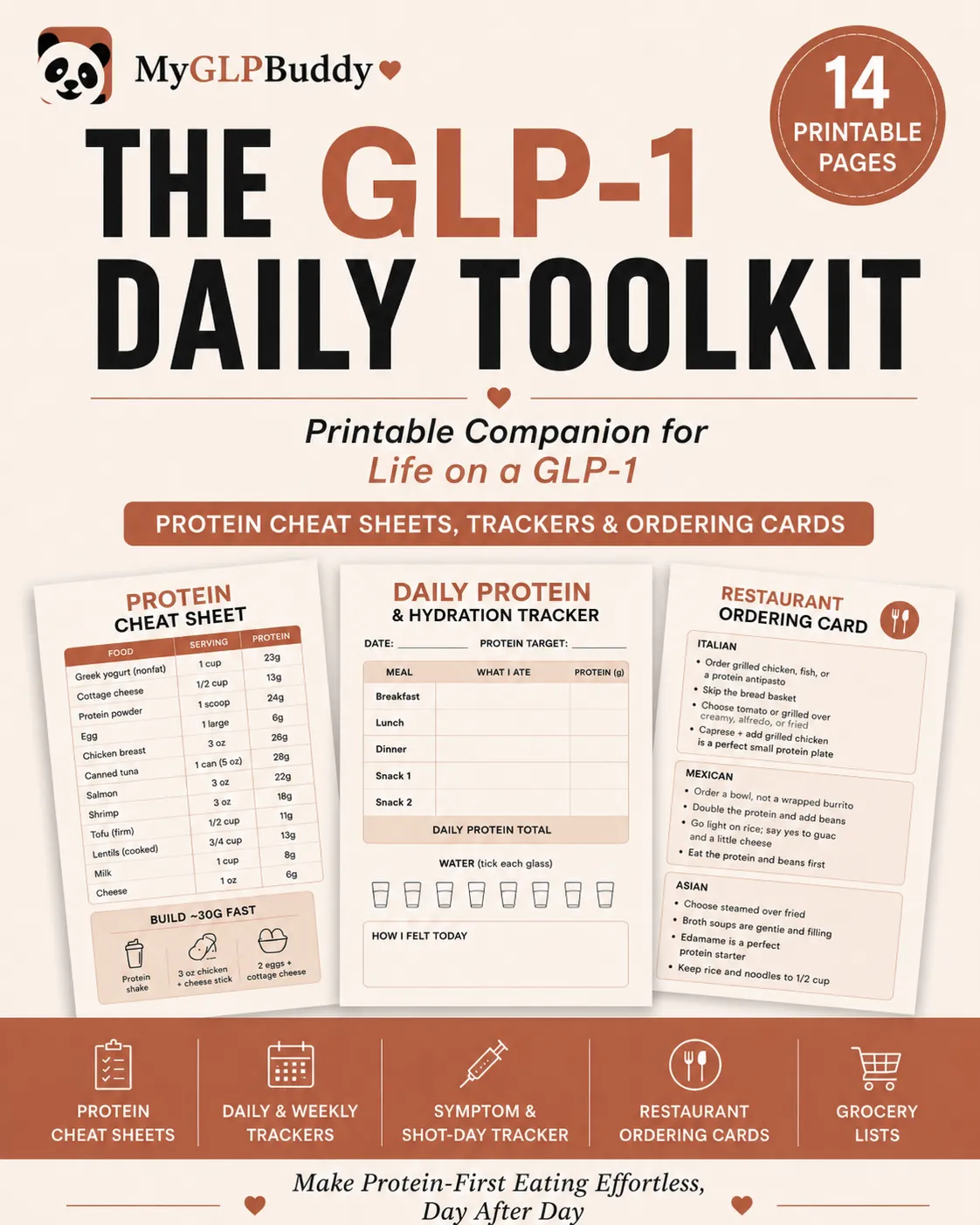
Free nausea-day cheat sheet
Our GLP-1 Daily Toolkit has a printable nausea-day cheat sheet, a fridge protein chart, and simple symptom trackers. Everything for the rough days in one place.
Timing tricks that actually help
What you eat is half of it. How and when you eat matters just as much.
- Eat small and often. A few bites every couple of hours beats two or three big meals.
- Eat slowly, and stop when satisfied. The full signal arrives sooner now.
- Sip, don’t gulp. Steady fluids between meals, not big glugs with food.
- Try ginger. Tea, a chew, or a supplement. Skip the sugary ginger ale.
- Don’t lie down right after eating. A short walk or some fresh air helps things settle.
Ginger: the most reliable natural remedy
If you try one thing for GLP-1 nausea, make it ginger. It has a long track record for calming queasiness, and most people feel at least some relief from it. The form matters less than using it consistently, so reach for whatever you will actually keep on hand.
Ginger tea is soothing and hydrating at the same time. Crystallized ginger chews or hard candies are easy to carry for when nausea hits away from home. Fresh ginger grated into hot water or a smoothie works too, and ginger capsules are an option to ask your pharmacist about. The one form to skip is ginger ale, which is usually carbonated and sugary, two things that tend to make a slowed stomach feel worse, not better.
Hydration and electrolytes matter more than you think
Dehydration quietly makes nausea worse, and it is easy to slip into when you are eating and drinking less than usual. A stomach that is low on fluids is a stomach that feels more queasy, so steady hydration is one of the simplest things that helps.
Sip water through the day rather than gulping a big glass, which can feel like too much all at once. If you have been struggling to eat or have had any vomiting or diarrhea, add an electrolyte drink to replace what you have lost. Keeping your fluids up also helps with the fatigue that often travels alongside nausea, which our fatigue guide covers in more detail.
Eating habits that head off nausea
How and when you eat matters as much as what you eat. A few small habits make a real difference. Eat smaller amounts more often, so your stomach is never empty and never overloaded, both of which can trigger queasiness. Eat slowly and stop at the first sign of fullness, since that signal now arrives much sooner.
Do not lie down flat for a couple of hours after eating, which can bring on reflux and nausea, and get a little fresh air or take a gentle walk instead, which helps things settle. These are tiny changes, but stacked together they take a lot of the edge off a queasy day.
Morning nausea, all-day nausea, and dose increases
Nausea on a GLP-1 is not always the same, and knowing the pattern helps you plan around it. Some people get it mainly in the morning, on an empty stomach, which a few plain crackers or a little protein before getting up can ease. Others feel it on and off through the day, especially in the first day or two after their shot.
The other predictable trigger is a dose increase. Each time your dose steps up, nausea can briefly return for a few days before settling again, even if you had been feeling fine. That is normal, not a setback. Plan your gentlest eating for the days right after a shot or a dose change, the way our shot day guide lays out.
When food changes are not enough
Most GLP-1 nausea is manageable with the food and timing tricks here. But if it is severe, lingering, or getting in the way of eating and living, you do not have to just endure it. Prescription anti-nausea medicines, such as ondansetron, can help while your body adjusts.
Talk to your prescriber about whether one is appropriate for you, and ask too about your dose and how quickly it is being increased, since easing the pace can reduce nausea. The goal is to get you comfortable enough to keep eating well, not to white-knuckle through weeks of feeling sick.
How to prevent nausea before it starts
A little preparation around shot day can stop nausea before it builds. In the day or two after your injection, when nausea is most likely, lean preemptively into the gentle habits: keep meals small and bland, stay ahead on fluids, have ginger within reach, and avoid the greasy, fried, and strongly scented foods that tend to set it off.
Stocking your kitchen with easy, soothing options before you need them means a wave of nausea never catches you with nothing to eat. The full list of foods that tend to trigger symptoms is in our guide to foods to avoid.
What to drink when you feel queasy
When solid food is hard, the right drinks keep you hydrated and can settle your stomach at the same time. Water, sipped slowly, is the foundation. Ginger or peppermint tea soothes. Clear broth is gentle and replaces a little salt. A cold electrolyte drink helps if you have been losing fluids.
Steer clear of the drinks that tend to backfire: carbonated sodas and sparkling water add gas and bloating, very sugary drinks can worsen the queasiness, and alcohol irritates an already touchy stomach. Cold and plain almost always beats sweet and fizzy when you feel sick.
One reader told us chicken became impossible in week two. Cold yogurt and ginger tea got her through, and by week four it had passed. It usually does.
When to call your doctor
Most nausea is the gentle, everyday kind. But call your provider if you have severe or lasting vomiting, can’t keep fluids down, show signs of dehydration, or have intense stomach pain. If nausea is really getting in your way, ask whether a prescription anti-nausea medicine could help while your body adjusts. Doctors interviewed by TODAY note that the worst nausea is usually manageable with the right plan, so you don’t have to white-knuckle it.
A note: this article is educational and not medical advice. Talk to your doctor, pharmacist, or registered dietitian about your symptoms before making changes.
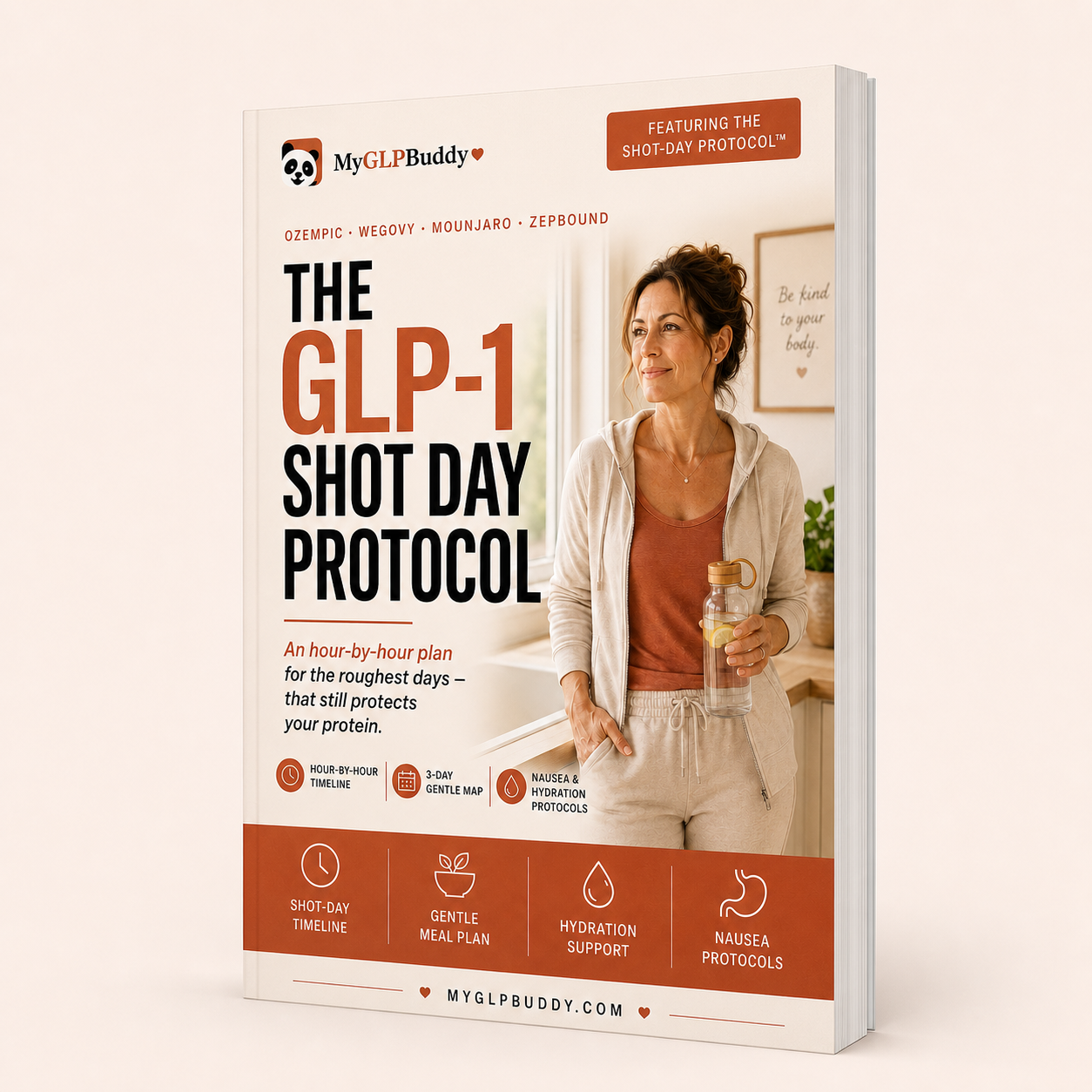
Want a calmer GLP-1 shot day?
The GLP-1 Shot Day Protocol gives you an hour-by-hour food and hydration plan for the days appetite, nausea and energy get unpredictable.
Frequently asked questions
It usually starts 24 to 48 hours after your dose and passes within a few days, often 2 to 5. It is worst in the first weeks and after a dose increase, then eases as your body adjusts.
Cold, bland, small foods: crackers, toast, white rice, banana, cold Greek yogurt, clear broth, and ginger tea.
Eat something small and bland, sip fluids slowly, try ginger, get fresh air, and avoid greasy, sugary, and strong-smelling food. Do not lie down right after eating.
Water, clear broth, and ginger or peppermint tea. Skip carbonated and sugary drinks, including ginger ale, which can make nausea worse.
If you have severe or persistent vomiting, cannot keep fluids down, show signs of dehydration, or have intense stomach pain, contact your provider.
GB
The My GLP Buddy Team
Medically reviewed by Dr. Matt K, MD. We write plain-language, protein-first guidance for people navigating GLP-1 medications, reviewed by a physician for accuracy. Support for the day-to-day, not a replacement for your own care team.
Free download
Get the free GLP-1 grocery list
Plus gentle weekly tips for eating well on your medication. No spam.