Side effects
GLP-1 Food Aversions: When Favorite Foods Suddenly Turn On You
By The My GLP Buddy Team · Medically reviewed by Dr. Matt K, MD · Updated June 2026
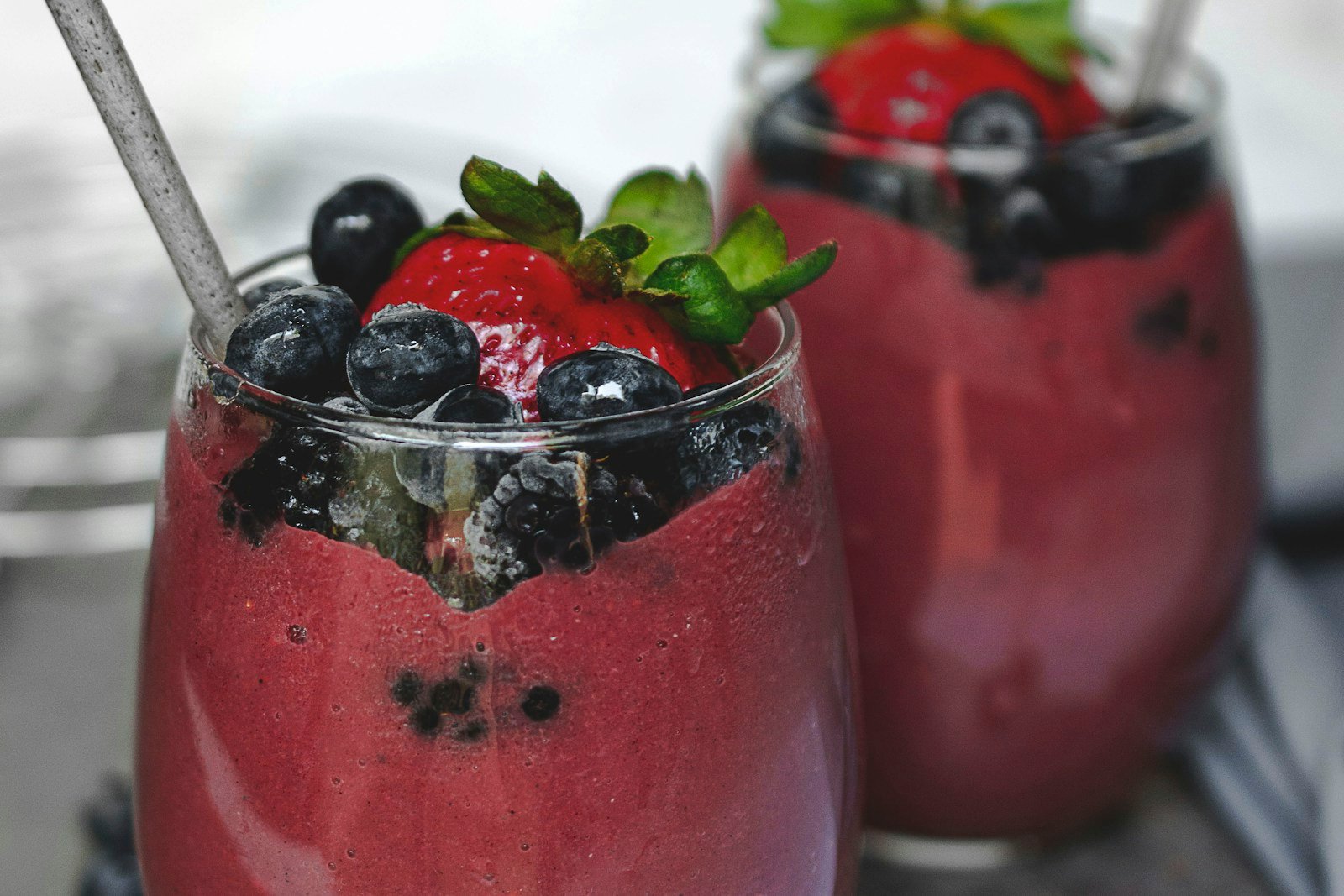
If a food you used to love suddenly turns your stomach, you’re not being dramatic. GLP-1 medications really can change how food tastes and smells. In one study, more than 1 in 5 people reported a shift in taste within a few months of starting. Meat, fried food, sweets, and coffee are common ones to go off. The move isn’t to force it down. It’s to pivot to foods that still appeal and protect your protein while your palate settles.
Below is why it happens, how to keep your nutrition steady when your favorites stop working, and roughly how long it tends to last.
What's in this guide
Why foods turn on you • The foods that change most • How to keep protein up • How long it lasts • When to check in • FAQ
Why your favorite foods suddenly taste off
This one is real, not in your head. GLP-1s act on the brain’s appetite and reward pathways, and that can change how food tastes and how appealing it feels. Scientific American has covered how these medications shift taste and food preferences, and the Endocrine Society has reported measurable changes in taste sensitivity in people on GLP-1s.
Often it’s the rich stuff that goes first. Fatty foods, sweets, and sometimes meat or coffee start to taste too strong, too sweet, or just wrong. For weight loss, that can actually work in your favor. The catch is protein, which is the one thing you can’t afford to skip.
The foods that change most
Everyone is a little different, but these are the common ones, and what tends to still go down easy.
| Often turns off | Often still works |
|---|---|
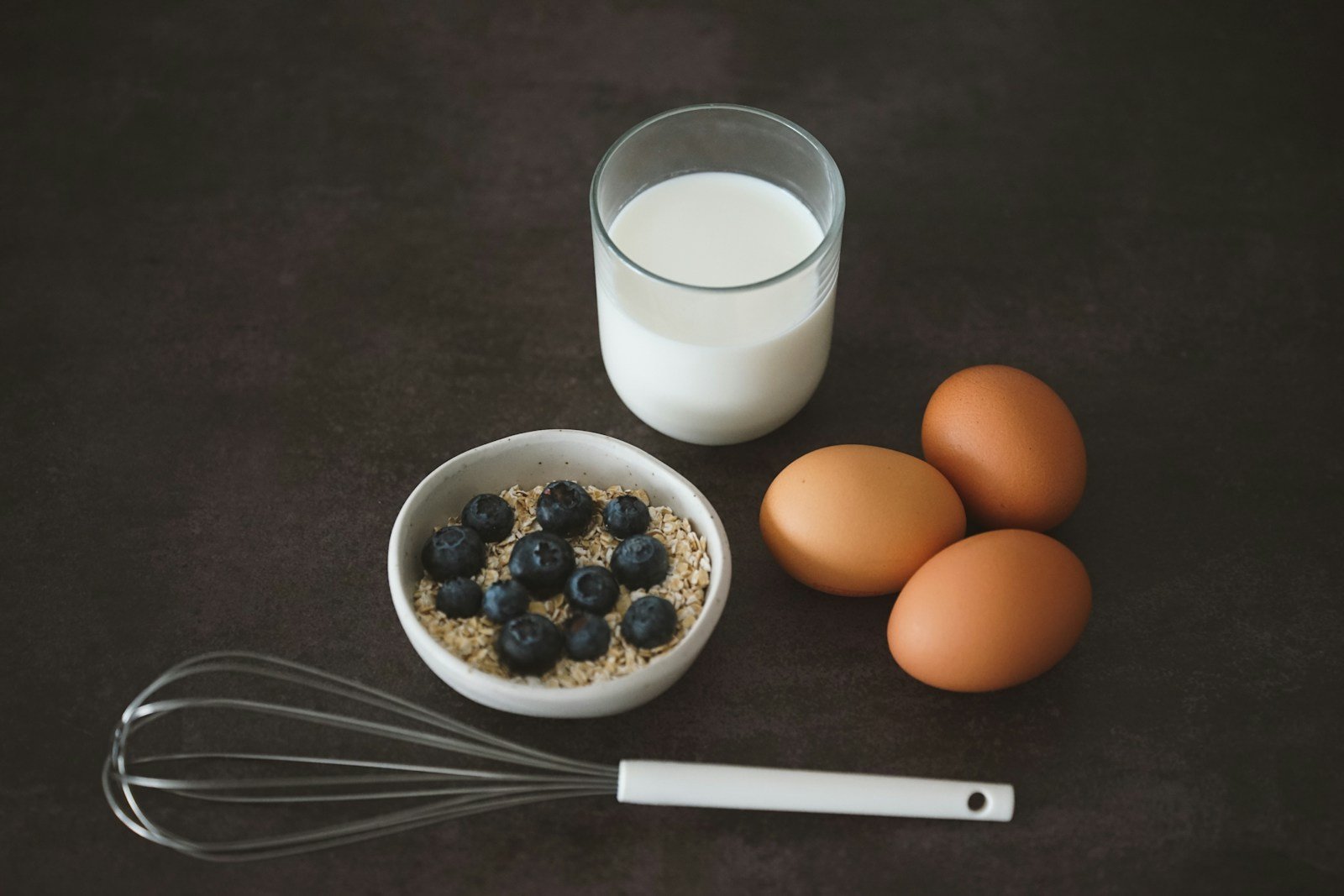
| Red meat and chicken | Fish, eggs, Greek yogurt, tofu |
| Fried and greasy food | Baked, grilled, or fresh |
| Sweets and rich desserts | Fruit, a little dark chocolate |
| Coffee | Tea, or cold brew over hot |
| Strong-smelling dishes | Milder, cooler, less aromatic foods |
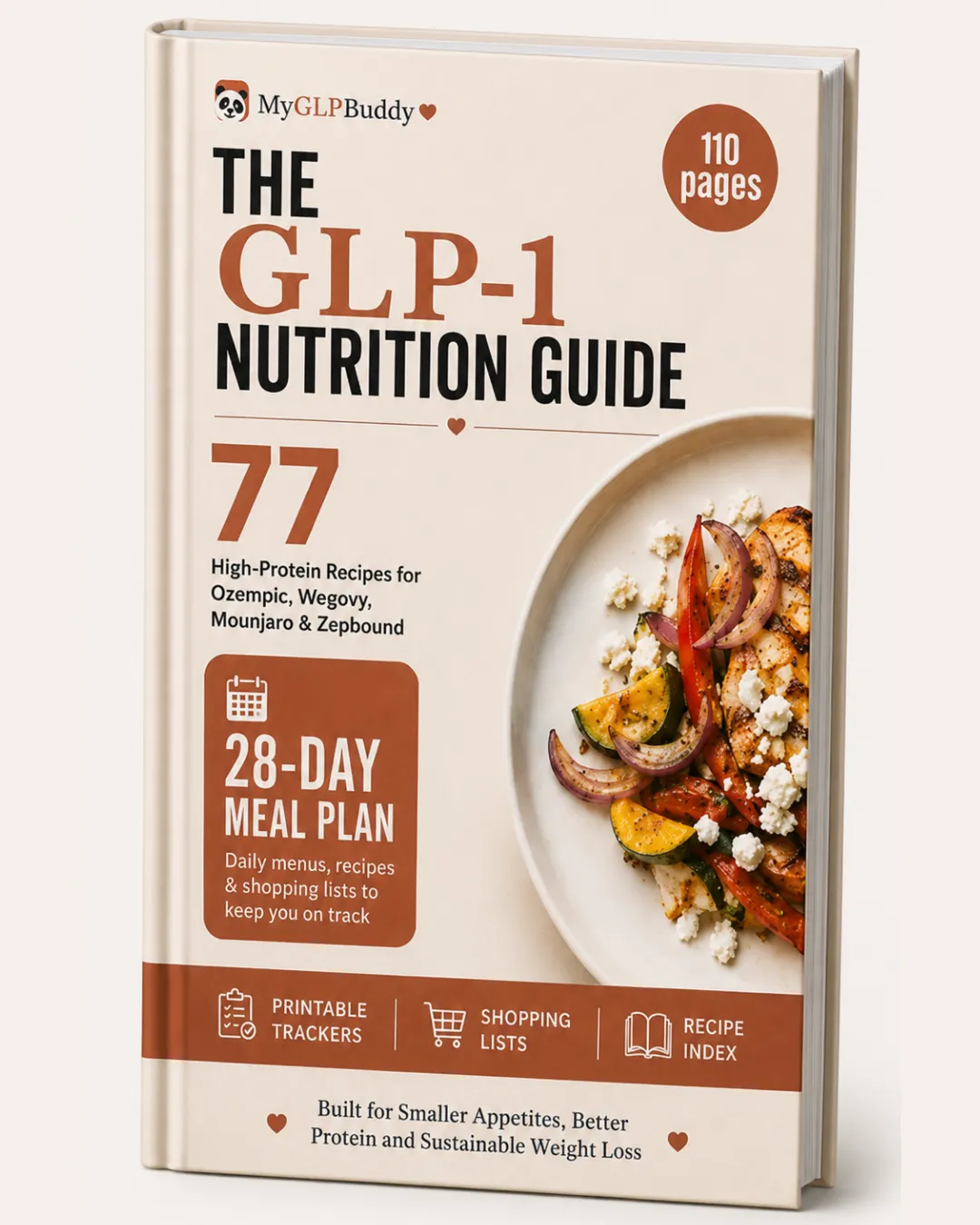
Eat well even when your tastes change
The GLP-1 Nutrition Guide is built around protein-first meals and easy swaps, so when one food stops working, you always have a next option that still hits your numbers.
How to keep protein up when nothing sounds good
When your usual proteins turn on you, switch the format, not the goal. A few things that work:
- Go cold and mild. Greek yogurt, cottage cheese, and cold shakes are easier when smells are too much.
- Drink your protein. A shake can carry 20 to 30 grams when chewing meat feels impossible.
- Switch the protein, not the plan. If chicken is out, try fish, eggs, tofu, or beans.
- Eat your protein first while your appetite window is open.
- Lean on snacks. Our high-protein snacks give you backup options for the days meals feel like work.
Here’s our honest take: don’t force a food that’s making you queasy just because it used to be your go-to. Pivoting is smarter than pushing through. Not sure how much protein you actually need? Our free calculator sets your target in seconds.
How long do food aversions last?
For most people, taste changes ease over weeks to a few months as the body adjusts, and they can flare again briefly after a dose increase. Think of it as a moving target. The food that’s impossible this month may be fine next month, so keep gently re-testing instead of writing things off for good.
Why your taste actually changes
Food aversions on a GLP-1 are real and physical, not a willpower problem or something in your head. These medications act on the appetite and reward pathways in your brain, the same circuits that make food feel appealing. When those signals quiet down, food can simply stop being attractive, and specific flavors can start to feel off.
Research has found that more than one in five people notice a change in taste within a few months of starting, with foods tasting sweeter, saltier, or just wrong. Because it is driven by the medication and your biology, it is not something you can talk yourself out of, but it is something you can work around, and it usually shifts over time.
The common shifts: metallic taste, meat, and sweets
Aversions do not hit everyone the same way, but a few patterns come up again and again. Many people develop a sudden distaste for meat, especially red meat and chicken, where the texture or smell becomes unbearable. Rich, fatty, and fried foods often lose their appeal, which can actually work in your favor.
Sweets and sugary foods can start to taste cloying or too intense. And some people notice a persistent metallic taste that makes everything seem slightly off. Knowing these are common, and temporary, takes some of the worry out of them when they show up.
Smell sensitivity, and how to manage it
For a lot of people, the problem is not just taste, it is smell. A heightened sensitivity to food odors can turn cooking smells, coffee, or a hot meal into an instant turn-off, and smell is closely tied to whether food appeals at all.
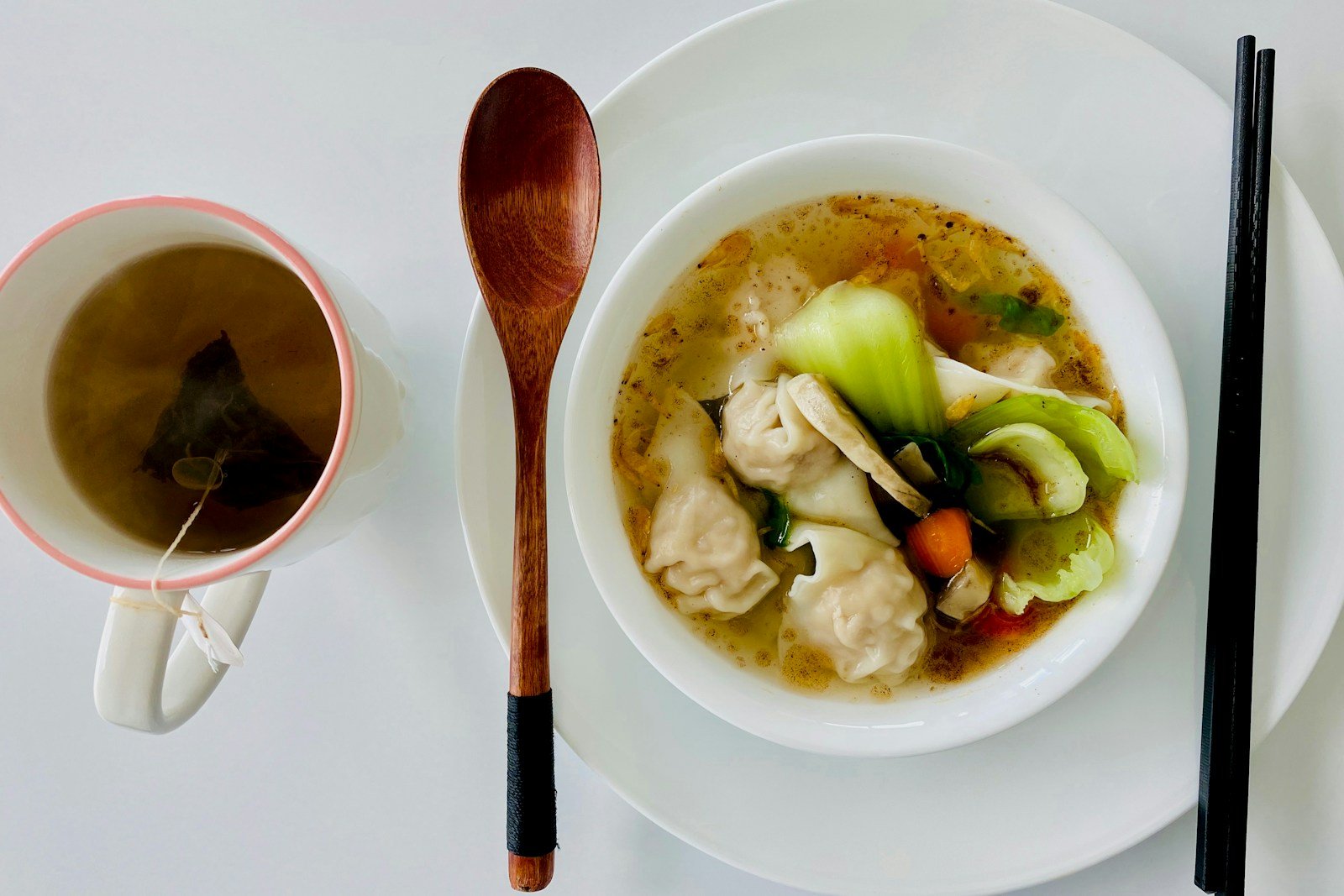
The simplest fixes work with this rather than against it. Cold and room-temperature foods give off far less smell than hot ones, which is why yogurt, smoothies, and cold cooked chicken often go down when a hot plate will not. Cooking with the window open, using a microwave instead of a smelly stovetop, or having someone else cook can all help on a sensitive day.
Getting protein when meat is suddenly off
A meat aversion is one of the trickiest, because meat is such an easy protein source. But it is far from the only one, and you can hit your protein target without it. When chicken and beef are unappealing, lean on the gentler options instead.
Greek yogurt, cottage cheese, eggs, tofu, beans, lentils, fish, and protein shakes all cover your protein without the strong meat smell or texture. Cold and blended forms, like a smoothie or a yogurt bowl, are often the easiest of all. Our high-protein foods and snacks guides are full of no-meat ways to keep your numbers up.
Work with your aversions, not against them
The instinct is to force down a food that used to be a staple, but pushing through something that makes you queasy usually backfires and can build a longer-lasting aversion. The smarter move is to pivot to a food that still appeals and let the rest go for now.
Switch the format, not the goal: if you cannot face cooked chicken, a cold chicken salad, a shake, or eggs might be fine. Go cold, mild, and small, since strong flavors and smells are the usual triggers. You are not failing by eating differently for a while, you are adapting intelligently.
Do not let aversions become under-eating
The real risk with food aversions is not the discomfort, it is that they quietly lead to eating too little. When most foods are unappealing, it is easy to skip meals, and under-eating costs you protein, energy, muscle, and hair.
So even when nothing sounds good, keep getting something in, especially protein. Eat by the clock rather than waiting for an appetite that may not come, and lean on sippable, no-cook options on the worst days. Our guide to eating with no appetite is built for exactly this situation.
Keep re-testing, and protect your variety
Food aversions are a moving target. The food that is impossible this week may be perfectly fine next month, especially as your body settles and between dose increases. So do not write foods off permanently. Gently re-test the ones you miss every couple of weeks, in small amounts, and you will often find they have come back.
In the meantime, try to keep some variety so you are not living on three foods, which can leave gaps in your nutrition. If aversions are severe enough that you genuinely cannot keep protein up or your diet has narrowed a lot, a registered dietitian can help you fill the gaps and find foods that work for you right now.
One reader said chicken became unbearable overnight. She lived on salmon, eggs, and yogurt for a month. By her next dose, chicken was back on the menu like nothing happened.
When to check in with your provider
Food aversions are usually harmless. But loop in your provider or a dietitian if you can’t keep protein up for more than a few days, you’re losing weight very fast, foods you used to tolerate now cause real nausea, or eating has started to feel genuinely stressful. They can help you find foods that work and keep your nutrition on track.
A note: this article is educational and not medical advice. Talk to your doctor or a registered dietitian if aversions are affecting how much you can eat.
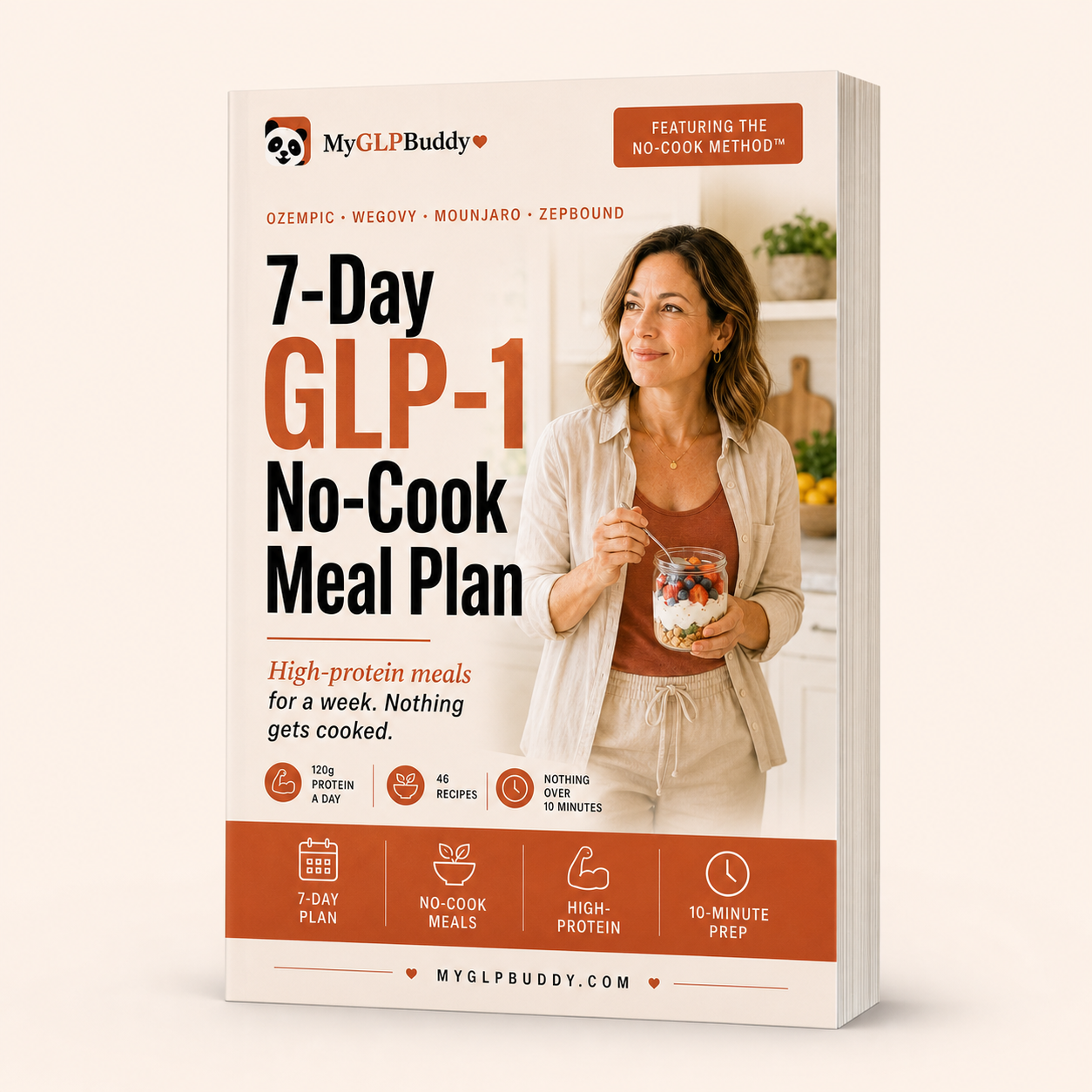
Need a GLP-1 week without cooking?
The 7-Day GLP-1 No-Cook Meal Plan gives you high-protein meals, a grocery list, protein counts and low-appetite swaps for the weeks cooking feels impossible.
Frequently asked questions
Yes. GLP-1s can shift taste and smell, often making fatty, sweet, or strong foods less appealing. In one study, more than 1 in 5 people noticed a change.
The medication acts on appetite and reward pathways in the brain, which can change how appealing certain foods feel, especially rich or strong-tasting ones.
Switch formats and sources: cold or blended proteins, shakes, fish, eggs, yogurt, or tofu. Eat protein first while your appetite window is open.
They usually ease over weeks to a few months and may flare briefly after a dose increase. Keep re-testing foods gently.
If you cannot keep protein up for several days, are losing weight very fast, or eating has become stressful, talk to your provider or a dietitian.
GB
The My GLP Buddy Team
Medically reviewed by Dr. Matt K, MD. We write plain-language, protein-first guidance for people navigating GLP-1 medications, reviewed by a physician for accuracy. Support for the day-to-day, not a replacement for your own care team.
Free download
Get the free GLP-1 grocery list
Protein-first meals and snacks, plus gentle weekly tips for eating well on your medication. No spam.