Side effects
Ozempic Fatigue: Why You’re So Tired and How to Get Your Energy Back
By The My GLP Buddy Team · Medically reviewed by Dr. Matt K, MD · Updated June 2026

If you started a GLP-1 and suddenly feel like you could nap standing up, you’re not lazy and you’re not broken. Fatigue is a common early side effect, and it usually comes down to a few fixable things. You’re eating a lot less, you’re probably a little dehydrated, and your body is still adjusting. The fix is mostly about fuel and fluids. Eat enough, especially protein. Sip water with electrolytes. Move gently and protect your sleep.
For most people the tiredness peaks in the first few weeks, then lifts. Below is why it happens, what actually helps, how long it tends to last, and when low energy is a sign to get checked.
What's in this guide
Why GLP-1s make you tired • How to get your energy back • How long it lasts • When it is not just the medication • FAQ
Why GLP-1s can make you tired
Most GLP-1 fatigue is a fuel problem. When the medication quiets your appetite, calories can drop fast, sometimes down to 1,000 to 1,200 a day, and that’s just not much fuel to run on. UCHealth has flagged that a lot of people on these medications simply aren’t eating enough nourishing food, and low energy is one of the first signs.
Dehydration piles on. When you eat less, you often drink less too, and losing even 1 to 2 percent of your body’s water is enough to make you feel wiped. Add slower digestion and a bit of broken sleep, and the tiredness makes sense. It’s a stack of small things, and most of them are fixable.
How to get your energy back
You don’t need a big overhaul. Stack these and most people feel the difference within a couple of weeks.
| Lever | What to do |
|---|---|
| Eat enough | Don’t skip meals just because hunger is low. Anchor each one with protein |
| Pair protein and carbs | Like yogurt with fruit, or eggs with toast, for steadier energy between meals |
| Hydrate with electrolytes | Sip water through the day and add an electrolyte drink, especially early on |
| Move gently | A 10 to 15 minute walk wakes your system up without draining it |
| Protect sleep | Keep a steady bedtime; under-fueling and poor sleep feed each other |
Here’s our honest take: when you’re this tired, the instinct is to eat even less and rest more. That usually backfires. Healthline points to the same fixes, prioritizing protein, electrolytes, and enough calories. Gentle fuel beats white-knuckling it. If protein is the piece you keep missing, our high-protein snacks and free protein calculator make it easier.
Stay ahead of the tired days
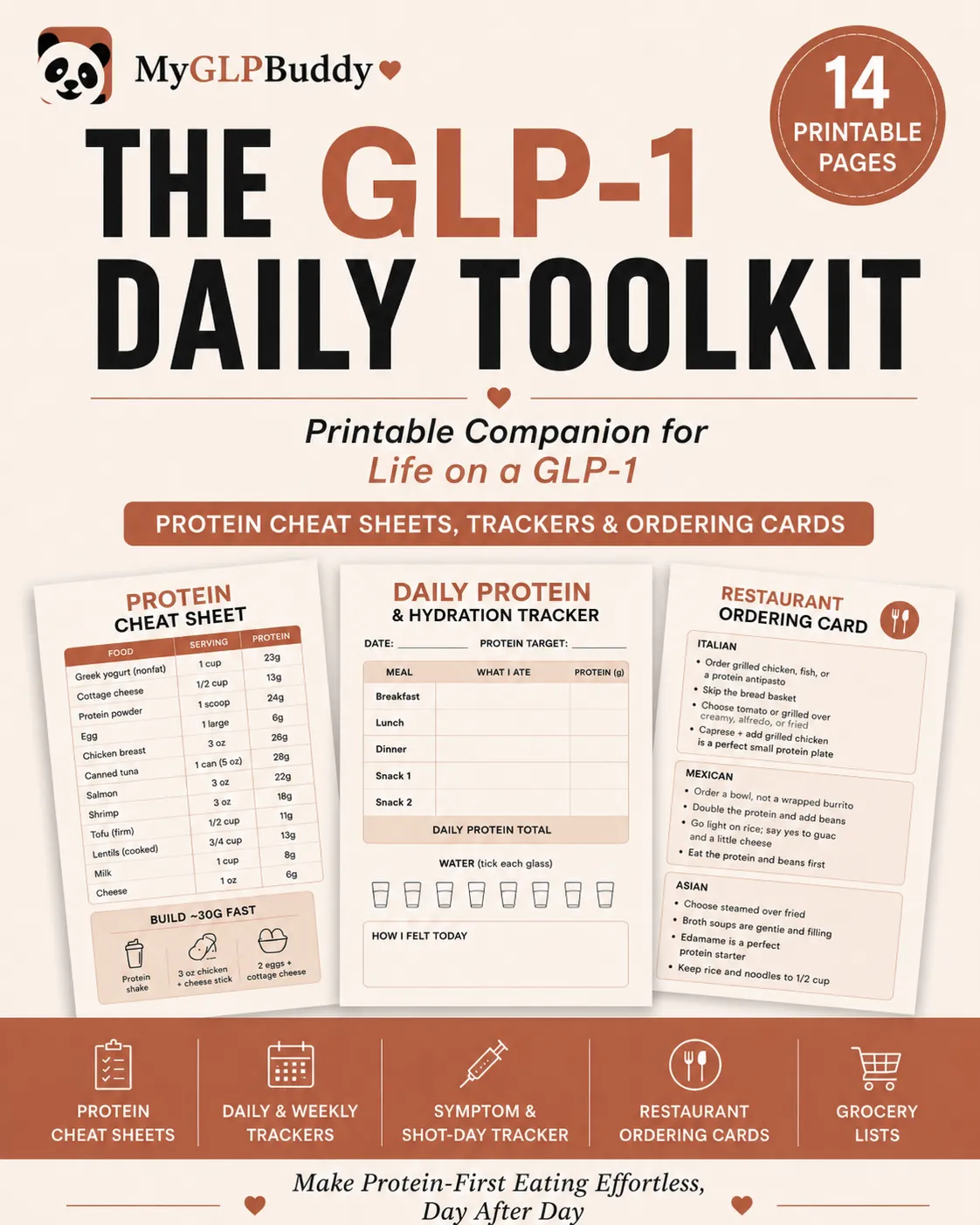
Our GLP-1 Daily Toolkit has water, protein, and energy trackers plus a side-effect cheat sheet, so you can spot what is draining you and fix it before it snowballs.
How long does GLP-1 fatigue last?
For most people, fatigue is worst in the first 4 weeks and eases off by weeks 8 to 12 as the body adjusts and you settle into eating and drinking enough. If your tiredness is mostly from under-fueling, fixing the food and fluids often shows up as more energy within 2 to 4 weeks.
Dose increases can bring a temporary dip again. That’s normal. Go gentle on yourself the week after a bump.
Eat enough, and pair protein with carbs
The most common driver of GLP-1 fatigue is simply not enough fuel. When your appetite drops, calories can fall fast, and a body running on too little will feel tired and foggy. The fix is not glamorous: you have to eat, even when you do not feel like it.
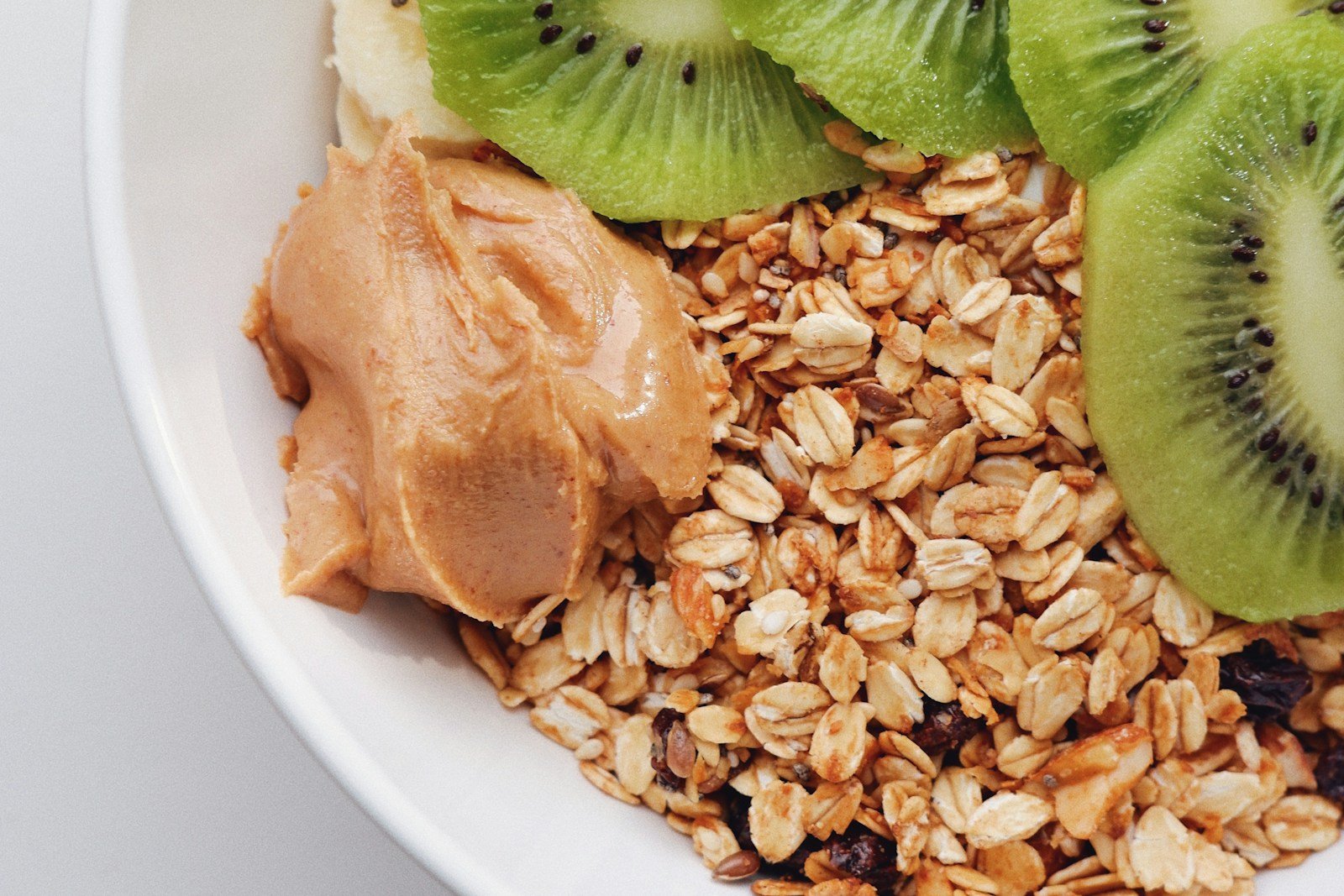
Anchor each small meal with protein to protect your muscle and steady your energy, then pair it with a little real carbohydrate, like fruit, oats, or whole grains, for steadier fuel between meals. Protein with a slow carb, such as apple with peanut butter or yogurt with berries, gives you more lasting energy than either alone. If you are unsure how much protein to aim for, our protein guide sets your target.
Hydration and electrolytes
Dehydration is a quiet, common cause of fatigue on a GLP-1, and it is easy to slip into when you are eating and drinking less. Even mild dehydration, losing just one or two percent of your body water, is enough to leave you noticeably tired and dizzy.
Sip water steadily through the day rather than relying on thirst, which is a late signal. If you have been under-eating, had any nausea or diarrhea, or feel lightheaded, add an electrolyte drink to replace the salts you have lost. Many people are surprised how much steadier their energy feels within a day or two of simply drinking enough.
Protect your sleep
Under-fueling and poor sleep feed each other, and both show up as fatigue. The early weeks of a GLP-1 can disrupt sleep through dips in blood sugar, nighttime reflux from eating too close to bed, or just the general adjustment, and broken sleep makes the daytime tiredness worse.
Keep a consistent bedtime, finish dinner two to three hours before you lie down to limit reflux, and have a small protein snack in the evening if you tend to wake hungry or shaky. Steadier nights make for steadier days, and sleep is one of the few levers that improves almost everything else.
Does caffeine help, or hurt?
Reaching for more coffee is the instinct when you are exhausted, but on a GLP-1 it cuts both ways. A moderate amount can give you a genuine lift, but too much, or coffee on an empty stomach, can stir up nausea, jitters, and an energy crash later that leaves you more tired than before.
Use caffeine as a small, intentional boost rather than a substitute for fuel and fluids. Have it after a few bites of protein, not before, keep it earlier in the day so it does not wreck your sleep, and remember that water and food will do more for real fatigue than another cup ever will.
Watch for blood sugar dips
Some GLP-1 fatigue comes from swings in blood sugar, especially if you go long stretches without eating or lean heavily on sugary foods that spike then crash. A sudden wave of tiredness, shakiness, or brain fog a couple of hours after a sugary snack is a classic dip.
Eating small, balanced amounts on a regular schedule, with protein and some fiber rather than sugar alone, keeps your energy on a more even keel. If you have diabetes or take other glucose-lowering medication, talk to your provider about low blood sugar specifically, since it needs closer attention.
The movement paradox
It feels backwards, but gentle movement usually lifts your energy rather than draining it. When you are tired, the instinct is to rest more and move less, and that often makes the sluggishness worse. A short walk can wake your whole system up.
You do not need a workout. A 10 to 15 minute walk, some light stretching, or a few minutes of easy movement is enough to boost circulation and mood without wearing you out. On the lowest-energy days, the walk is the workout, and that counts. Our gentle exercise guide has routines built for exactly these days.
Plan around your low-energy days
GLP-1 fatigue is often predictable, with the biggest dips in the first day or two after your shot. Once you know your pattern, you can work with it instead of being blindsided by it.
Schedule your most demanding tasks for the days you feel strongest, and keep the day after your injection lighter where you can. Have easy, protein-rich food ready so a low-energy day does not also become a no-protein day. Matching your effort to your energy across the dosing week, the way our shot day guide describes, takes a lot of the frustration out of it.
A simple daily routine to keep energy steady
Most fatigue responds to a handful of small habits done consistently. Start the day with water and a protein-forward breakfast. Eat small, balanced amounts on a schedule rather than waiting to feel hungry. Keep sipping fluids, with electrolytes if you have been under-eating.
Fit in a short walk, go easy on caffeine and sugar, and protect a consistent bedtime. None of these is dramatic on its own, but together they fix the fuel-and-fluid gap that causes most GLP-1 tiredness, usually within a couple of weeks.
One reader was convinced she needed more sleep. What she actually needed was breakfast. Once she added a real protein breakfast and an electrolyte drink, the 3pm crash mostly disappeared.
When it’s not just the medication
If your fatigue drags on past a month, keeps getting worse, or comes with other symptoms, it’s worth a visit. Ask your provider to check for things like low iron or anemia, thyroid issues, low B12, or low blood sugar. These are common, treatable, and easy to miss when it’s tempting to blame the medication for everything.
A note: this article is educational and not medical advice. Talk to your doctor, pharmacist, or registered dietitian about ongoing fatigue or before changing your nutrition or medication.

Need a GLP-1 week without cooking?
The 7-Day GLP-1 No-Cook Meal Plan gives you high-protein meals, a grocery list, protein counts and low-appetite swaps for the weeks cooking feels impossible.
Frequently asked questions
Usually a mix of eating far fewer calories, mild dehydration, slower digestion, and your body adjusting. Low fuel and low fluids are the biggest drivers.
It tends to peak in the first 4 weeks and ease by weeks 8 to 12. Fixing food and hydration often improves energy within 2 to 4 weeks.
Eat enough with protein at each meal, pair protein with carbs, hydrate with electrolytes, move gently, and protect your sleep.
They can. When you eat and drink less, electrolytes often dip too. Many people feel steadier adding an electrolyte drink, especially early on.
If it lasts beyond a month, worsens, or comes with other symptoms. Ask your provider to rule out anemia, thyroid problems, or nutrient deficiencies.
GB
The My GLP Buddy Team
Medically reviewed by Dr. Matt K, MD. We write plain-language, protein-first guidance for people navigating GLP-1 medications, reviewed by a physician for accuracy. Support for the day-to-day, not a replacement for your own care team.
Free download
Get the free GLP-1 grocery list
Protein-first meals and snacks, plus gentle weekly tips for eating well on your medication. No spam.