myglpbuddy.com

Muscle & movement

Ozempic Weight Loss Plateau: Why It Stalls and How to Break Through
By The My GLP Buddy Team · Medically reviewed by Dr. Matt K, MD · Updated June 2026
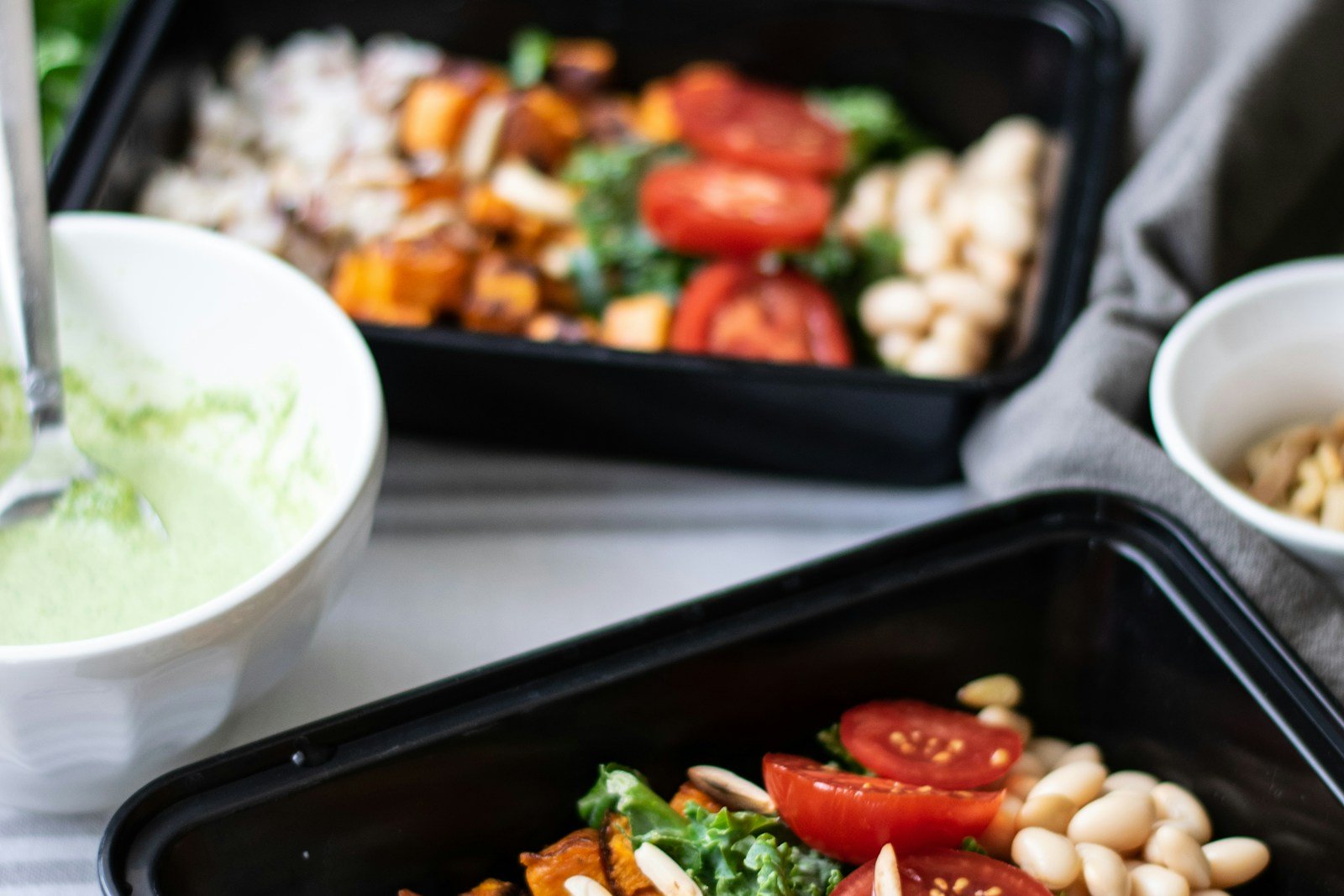
Prepared vegetable meal containers
If the scale has stopped moving on Ozempic, take a breath. A plateau is normal, expected, and almost never a sign the medication has stopped working. It usually happens because your metabolism slows as you lose weight, so your body burns fewer calories than it used to. The fix is rarely to eat even less. It’s to protect your muscle with protein and strength training, tighten up sleep and stress, track honestly, and, if a true stall drags on, talk to your provider about your dose. Panic and crash-dieting are the two things that make it worse.
Here’s how to tell a real plateau from a normal pause, why it happens, and the prioritized steps that actually get things moving again.
What's in this guide
What a plateau is • Is it really a plateau • Why it happens • How to break through • The dose conversation • What to rule out • The mistake to avoid • FAQ

What a weight loss plateau actually is

A plateau is a stretch where your weight holds steady despite doing the same things that were working. On a GLP-1, weight loss is never a straight line. You lose for a few weeks, stall for a few, then often start losing again. It’s the rule, not the exception.
Plateaus also tend to show up after you’ve lost a meaningful amount of weight and are getting closer to a healthy range, because your body works harder to hold onto what it has. That’s biology doing its job, not you failing.

Is it really a plateau?

First, make sure you’re actually stalled. Daily weight swings of 2 to 4 pounds from water, salt, hormones, and food are normal and mean nothing. A real plateau is when your weight stays genuinely flat for several consecutive weeks, not days, despite sticking to your plan.
And remember the scale can’t separate fat from muscle. If you’ve started strength training, you may be losing fat while gaining muscle, which holds the number steady even as your body changes. Check inches, photos, and how your clothes fit before deciding you’re stuck. WebMD makes the same point: the scale is only part of the picture.

Why plateaus happen on a GLP-1

A few forces stack up, and understanding them takes the panic out:
  • Metabolic adaptation. As you lose weight, your resting metabolism can drop by 10 to 25 percent, so you burn fewer calories at rest than you did at your heavier weight.
  • Muscle loss. If you’ve lost muscle along the way, your metabolism slows further, since muscle burns more calories than fat.
  • Tolerance. Over time your body adjusts to a given dose, so its appetite effect can soften, as Medical News Today explains.
  • Lifestyle drift. Poor sleep, high stress, more alcohol, or portions creeping back up all quietly stall progress.

How to break through a plateau

Work through these in order. The first three fix most plateaus before you ever need to think about your dose.

1. Push your protein up

Protein protects the muscle that keeps your metabolism up, and it keeps you full. Aim for the higher end of your range, around 0.7 grams per pound, and trim added sugar and refined carbs to make room. Set your number with our calculator and fill the plate from our ranked high-protein foods.

2. Add or progress strength training

Building muscle raises your resting metabolism, so you burn more even at rest. If you’re not strength training yet, start. If you are, make it a little harder. Protecting muscle is the core of breaking a plateau, which is why it ties straight to our muscle loss guide and gentle exercise routines.

3. Fix sleep, stress, and alcohol

These are the quiet saboteurs. Poor sleep disrupts hunger hormones, chronic stress raises cortisol and encourages fat storage, and frequent alcohol stalls fat loss. Tightening up all three often restarts progress on its own.

4. Track honestly and stay hydrated

Portions and snacks creep back up without us noticing, especially as appetite returns later in your dosing week. A few days of honest tracking often reveals the gap. Keep water and fiber up too, since both support digestion and fullness.

A plan built to keep results coming

The GLP-1 Success System combines protein targets, simple strength routines, and habit tracking, the exact levers that break plateaus, into one step-by-step plan.

The dose conversation

If you’ve tightened up the basics and a true plateau still drags on for several weeks, it’s worth a conversation with your prescriber. If you’re not yet at the highest dose, they may step you up, since each increase can renew the appetite effect. In some cases they may suggest switching medications. Tirzepatide, sold as Mounjaro, acts on two hormones and produces stronger results for many people, as covered in our first month on Mounjaro guide.
Dose changes are a medical decision, so leave them to your provider. Your job is to bring them a clear picture: what you’ve tried, your protein and activity, and how long the stall has lasted.

What to rule out with your provider

Sometimes a stubborn plateau points to something else. If the scale won’t budge for weeks despite doing everything right, ask your provider to check for factors that make weight loss harder, like thyroid dysfunction or insulin resistance. Certain other medications can also work against you. These are common, often treatable, and easy to miss if you only blame the GLP-1.

The mistake to avoid

Here’s our honest take: when the scale stalls, the instinct is to slash your food even further. Don’t. Eating too little tells your body to hold on harder, costs you muscle, and slows your metabolism more, which deepens the plateau you’re trying to escape. It also makes you miserable and is impossible to sustain. Under-eating is one of the most common beginner mistakes for exactly this reason.
Add protein and muscle, fix your sleep, and be patient. That’s how you break a plateau, not by eating less.
A note: this article is educational and not medical advice. Talk to your provider before changing your dose, switching medications, or making major changes if you have other health conditions.

A simple 2-week plateau reset

If you’d rather have a plan than a list, here’s a two-week reset that works through the levers in order. Add each focus without dropping the last.

Days 1 to 2: lock in protein. Hit the high end of your target every day, protein first, and trim added sugar and refined carbs to make room.

Days 3 to 5: add resistance. Start two short strength sessions, or make your current ones a little harder.

Days 6 to 8: fix sleep. Aim for a consistent bedtime and seven-plus hours, since poor sleep quietly stalls fat loss.

Days 9 to 11: audit the creep. Track everything honestly for three days to catch portions and snacks sneaking back as appetite returns.

Days 12 to 14: tighten hydration and alcohol. Drink more water, cut back on alcohol, and reassess where you stand.

If two clean weeks like this don’t move anything, that’s your cue to book the provider conversation rather than cutting food further.

Signs you’re still progressing, even if the scale isn’t

The scale is the worst judge of a plateau, because it can’t tell fat from muscle or water. These signals tell you far more:

Your clothes fit looser. Losing inches while the scale holds usually means fat is down and muscle is up.

You’re getting stronger. More reps or heavier lifts mean you’re building the muscle that drives your metabolism.

Your energy is steadier. Once protein and sleep are dialed in, energy often improves before the scale does.

Your measurements are improving. A shrinking waist with steady arms and thighs is genuine progress.

Your health markers are better. Blood pressure, blood sugar, and cholesterol can keep improving even during a scale plateau.

One reader hit a six-week stall and nearly cut her calories in half. Instead she added protein and two strength sessions a week, fixed her sleep, and within a month the scale was moving again, this time with more muscle to show for it.

Frequently asked questions

Usually metabolic adaptation: as you lose weight, your metabolism slows and you burn fewer calories. Muscle loss, dose tolerance, and lifestyle drift can add to it. It is normal and usually temporary.
It varies. Many last a few weeks while your body recalibrates, then weight loss resumes. A stall lasting many weeks despite doing everything right is worth discussing with your provider.
Push protein up and trim sugar, add or progress strength training, fix sleep, stress, and alcohol, and track honestly. If a true stall persists, talk to your provider about your dose.
No. Eating too little tells your body to hold on, costs you muscle, and slows your metabolism further. Add protein and muscle instead.
Possibly. Thyroid dysfunction, insulin resistance, or other medications can make weight loss harder. Ask your provider to check if a stall persists.
Yes. Muscle raises your resting metabolism, so building it through strength training helps you burn more calories even at rest.
GB

The My GLP Buddy Team

Medically reviewed by Dr. Matt K, MD. We write plain-language, protein-first guidance for people navigating GLP-1 medications, reviewed by a physician for accuracy. Support for the day-to-day, not a replacement for your own care team.

Keep reading

Prepared vegetable meal containers
Muscle & movement

Muscle loss on Ozempic

Prepared vegetable meal containers
Start here

12 beginner mistakes

Prepared vegetable meal containers
Protein

How much protein on a GLP-1

Free download

Get the free GLP-1 grocery list

Protein-first foods that protect your metabolism, plus gentle weekly tips for eating well on your medication. No spam.
Scroll to Top