myglpbuddy.com

Protein

High-Protein Foods for GLP-1: 20 Best, Ranked by Protein Per Bite
By The My GLP Buddy Team · Medically reviewed by Dr. Matt K, MD · Updated June 2026
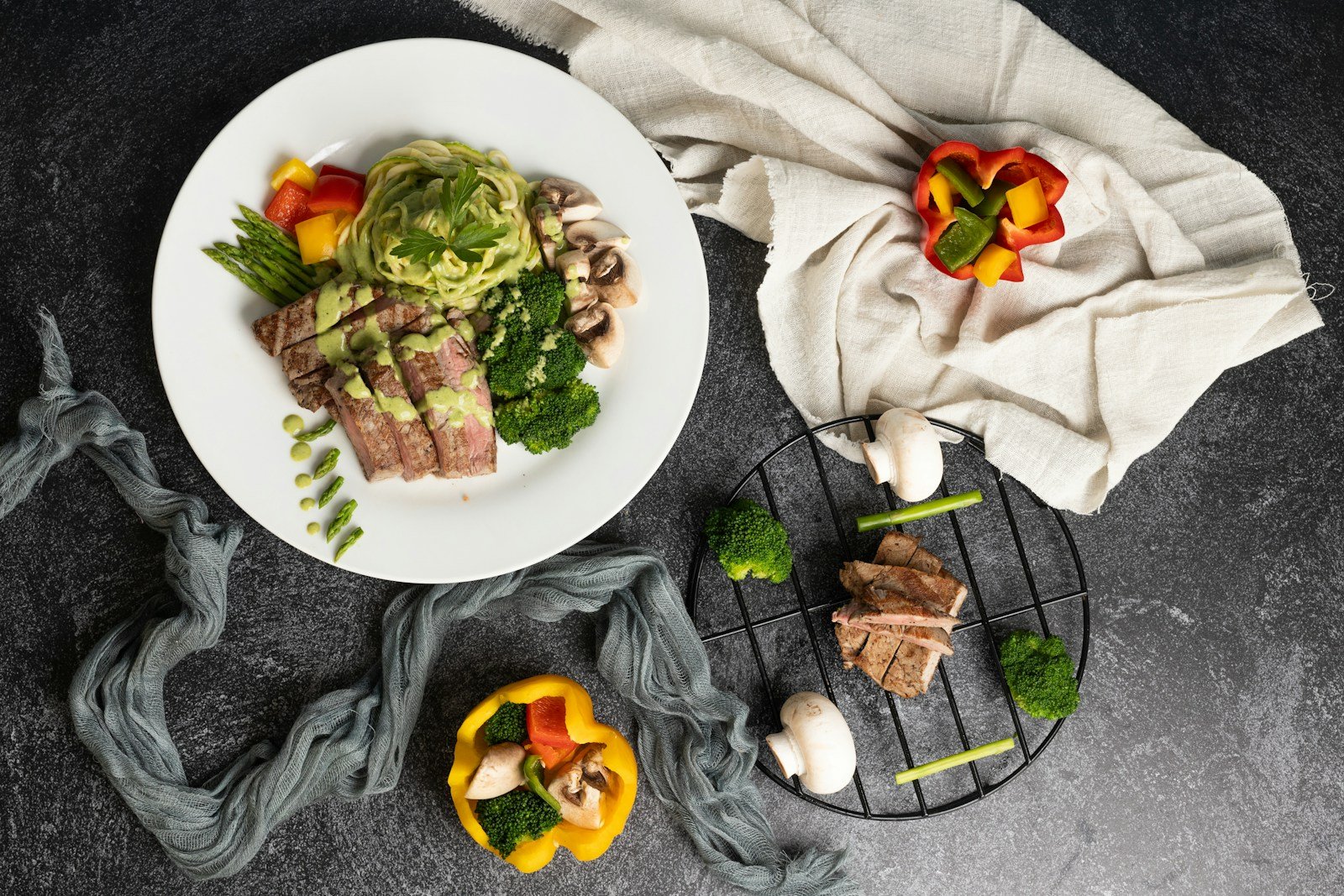
Protein-rich meal with meat and vegetables
When you can only eat a little, every bite has to earn its place, and the foods that give you the most protein for the least volume win. The highest protein-per-bite picks are lean animal proteins like chicken, turkey, and cottage cheese, followed by seafood, then plant proteins and convenient no-cook options. Aim for 20 to 30 grams of protein per meal, lean on soft and gentle choices when your stomach is touchy, and let a shake carry the load on the worst days. Below are 20 of the best, ranked within each group with the grams to expect.
This isn’t a generic food list. It’s a ranking built for a small appetite, with the protein per serving, which foods are gentlest, and exactly how to use each one.
What's in this guide
Why protein density matters • How much you need • Top animal & dairy proteins • Best seafood • Best plant proteins • Most convenient • Gentlest on the stomach • How to hit it daily • FAQ

Why protein density matters more on a GLP-1

On a GLP-1, you fill up after a few bites, so the question isn’t just how much protein a food has, it’s how much it packs per bite. A dense food like chicken delivers 26 grams in a small portion. A less dense one makes you eat a large volume to get the same, which a slowed stomach struggles with.
Protein is also the nutrient that protects your muscle while you lose weight, which Cleveland Clinic calls a top priority on these medications. It keeps you fuller too. As Harvard’s nutrition experts note, protein is the most satiating of the three macronutrients, so high-density protein does double duty: it protects muscle and quiets hunger.

How much protein you actually need

A simple target is 20 to 30 grams per meal, landing around 80 to 110 grams a day for most people. That’s enough to protect muscle without overwhelming a small appetite. Want your exact number? Our free calculator works it out in seconds, and our guide to how much protein you need shows how to spread it across the day. Now to the foods, ranked from highest protein per bite down.

Top animal and dairy proteins (highest per bite)

1. Chicken breast (26g per 3 oz). The gold standard: lean, dense, and endlessly versatile. Poach or bake it for the softest, most stomach-friendly texture.

2. Cottage cheese (25g per cup). One of the highest protein-per-bite dairy picks, and soft and mild enough for a queasy day. Top with fruit or a little pepper.

3. Turkey breast (25g per 3 oz). As lean and dense as chicken. Great sliced into roll-ups or added to soups.

4. Lean beef (24g per 3 oz). Iron plus protein in a small portion. Choose lean cuts and keep it modest, since fattier cuts sit heavy on a slowed stomach.

5. Greek yogurt (18g per cup). Cold, smooth, gut-friendly, and no cooking required. Pick plain to skip the added sugar.

6. Eggs (12g per 2). A complete, budget-friendly protein. Scramble them soft if eggs feel heavy, and swap them out if they trigger sulfur burps.

Best seafood

7. Salmon (22g per 3 oz). Protein plus anti-inflammatory omega-3s, and it bakes in minutes. Soft and easy to digest.

8. Tuna (20g per 3 oz pouch). No-cook, shelf-stable, and very lean. Mix with a little Greek yogurt for a gentle salad.

9. Shrimp (20g per 3 oz). Cooks in minutes, very light, and high density. A fast, low-effort dinner protein.

10. Cod or white fish (17g per 3 oz). Ultra-lean and one of the easiest proteins to keep down when your stomach is tender.

Best plant proteins

11. Lentils (18g per cup). Protein and fiber together, which also helps with constipation. Warm and soft in soups and stews.

12. Edamame (17g per cup). A complete plant protein that’s savory and snackable straight from frozen.

13. Tempeh (15g per half cup). Denser than tofu, with a firm, satisfying bite. Soaks up whatever you cook it in.

14. Beans (15g per cup). Protein and fiber in one, and gentle in stews, chili, or blended soups.

15. Tofu (11g per half cup). Soft, mild, and easy to blend into smoothies or soups when appetite is low.

Most convenient and no-cook

16. Protein shake or powder (20 to 30g per serving). The single easiest way to hit protein on a low-appetite day, with no chewing required. A staple for the rough days.

17. Deli turkey and cheese roll-ups (15 to 18g). Dense, savory, no bread, and ready in three minutes.

18. Clean protein bar (15 to 20g). Convenient, but read the label and skip the sugar alcohols and fiber additives, which can upset a GLP-1 stomach.

19. String cheese and a few almonds (12g). Truly grab-and-go, and the almonds don’t even need a fridge.

20. Jerky (9 to 12g per oz). Shelf-stable, travel-friendly protein for your bag or desk drawer.

For more grab-and-go combos, our high-protein snacks list pairs perfectly with this ranking.

Protein per calorie: the leanest, most efficient picks

Density cuts two ways. Some foods are dense in protein but also in calories, while others give you a lot of protein for very little. When you’re eating less overall, the most calorie-efficient proteins help you hit your target without using up your whole day’s intake.

Nonfat Greek yogurt and cottage cheese. Loads of protein for very few calories, especially the nonfat versions.

White fish like cod and tilapia. Almost pure lean protein, the leanest hot meal on this list.

Shrimp and tuna. Very high protein with minimal fat or calories.

Chicken and turkey breast. Lean, dense, and efficient without the fat of darker cuts.

Egg whites. Close to pure protein if you want to stretch a couple of whole eggs further.
The richer picks, like salmon, lean beef, and cheese, are still excellent. They simply carry more calories per gram of protein, so they work best as part of a meal rather than your every-bite default. And go easy on processed, fatty proteins like bacon, sausage, and fatty deli meats. They’re high in fat and salt and sit heavy on a slowed stomach, so lean versions are the better daily choice.

Turn these foods into a real plan

The GLP-1 Nutrition Guide builds these high-protein foods into done-for-you meals and a grocery list, so hitting your protein takes zero guesswork.

Which proteins are gentlest on the stomach

Protein per bite is only half the picture. On a queasy day, texture and smell matter just as much. Reach first for the soft, cool, low-smell options: Greek yogurt, cottage cheese, a protein shake, soft eggs, tofu, or flaky white fish. They go down even when your appetite has bottomed out.
Save the heavier hitters, like red meat and anything fried or greasy, for the better days. And go easy on protein bars loaded with sugar alcohols or added fiber, which are famous for gas and bloating. If nausea is the main barrier, our nausea food guide pairs well with this list.

How to actually hit your protein every day

Knowing the foods is one thing. Getting them in on a tiny appetite is the real skill. A few habits make it automatic:
  • Protein first. If you fill up after a few bites, make sure those bites were the protein.
  • Front-load early. Appetite usually fades through the day, so bank protein at breakfast.
  • Keep the dense options stocked. Rotisserie chicken, cottage cheese, eggs, tuna pouches, and shakes mean protein is always within reach.
  • Drink it when you can’t chew it. A shake beats missing your target entirely.
  • Pair with a little fiber to stay full and keep digestion moving.
For the full plan, see what to eat on Ozempic and, for the worst days, eating with no appetite.
A note: this article is educational and not medical advice. A registered dietitian can set protein targets tailored to you, especially if you have kidney concerns or other conditions.
One reader stopped chasing big meals and just kept five dense proteins on rotation: chicken, cottage cheese, eggs, tuna, and a shake. Her protein went up, the guesswork went away, and she stopped dreading mealtimes.

Frequently asked questions

Lean animal proteins lead: chicken and turkey breast (about 25 to 26g per 3 oz) and cottage cheese (25g per cup), followed by seafood like salmon and tuna, then plant proteins and protein shakes.
Around 20 to 30 grams per meal, totaling roughly 80 to 110 grams a day for most people. A calculator or dietitian can set your exact target.
Soft, cool, low-smell options: a protein shake, Greek yogurt, cottage cheese, soft eggs, or tofu. A shake can deliver 20 to 30 grams with no chewing.
Yes. They are one of the easiest ways to hit protein on a low-appetite day. Pick one without heavy sugar alcohols or fiber additives if those bother your stomach.
Lentils (18g per cup), edamame (17g per cup), tempeh (15g per half cup), and beans (15g per cup). They add fiber too, which helps with constipation.
Greek yogurt, cottage cheese, protein shakes, soft eggs, tofu, and flaky white fish. Save red meat and fried foods for better days.
Eat protein first, front-load it earlier in the day, keep dense options stocked, use a shake when chewing is hard, and pair protein with a little fiber.
GB

The My GLP Buddy Team

Medically reviewed by Dr. Matt K, MD. We write plain-language, protein-first guidance for people navigating GLP-1 medications, reviewed by a physician for accuracy. Support for the day-to-day, not a replacement for your own care team.

Keep reading

Protein-rich meal with meat and vegetables
Protein

How much protein on a GLP-1

Protein-rich meal with meat and vegetables
Protein

High-protein snacks for GLP-1

Protein-rich meal with meat and vegetables
Eating on GLP-1

Eating with no appetite

Free download

Get the free GLP-1 grocery list

The protein-first foods to keep stocked, plus gentle weekly tips for eating well on your medication. No spam.
Scroll to Top