Side effects
Ozempic Sulfur Burps: Why They Happen and How to Stop Them
By The My GLP Buddy Team · Medically reviewed by Dr. Matt K, MD · Updated June 2026
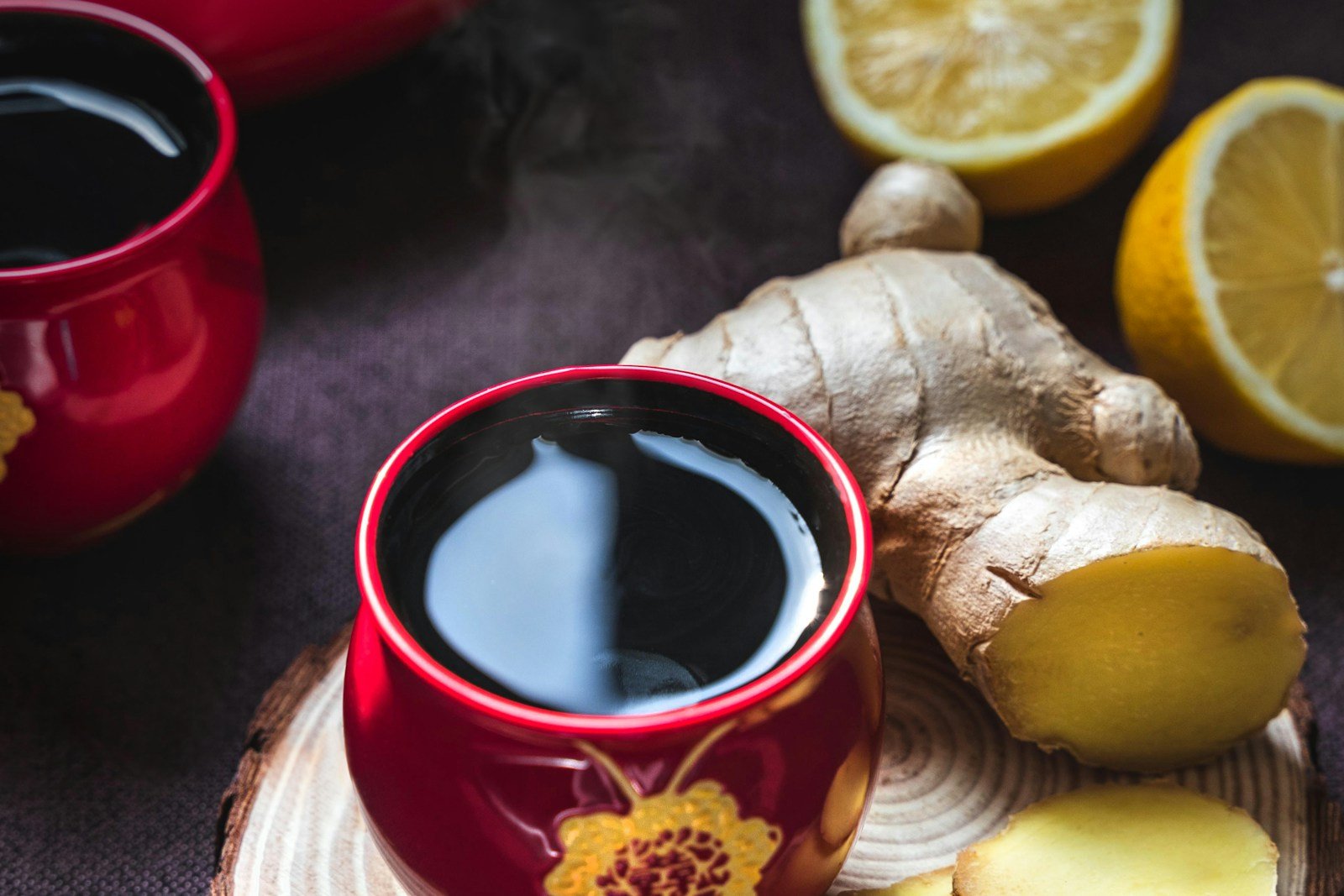
If you’re burping up something that smells like rotten eggs, you’re not imagining it, and you’re definitely not alone. Sulfur burps are a known GLP-1 side effect. They happen because the medication slows digestion, so food sits and ferments longer, which releases hydrogen sulfide gas. That’s the rotten-egg smell. The fastest fixes are about food. Ease up on sulfur-heavy foods like eggs, garlic, onions, and broccoli for a bit, skip greasy and carbonated stuff, and eat smaller, more frequent meals.
For most people this fades after the first few weeks. Below is why it happens, the foods that tend to trigger it, how to settle it down, and when it’s worth a call to your doctor.
What's in this guide
Why it happens • How to stop sulfur burps • Foods that trigger it • How long it lasts • When to call your doctor • FAQ
Why GLP-1s cause sulfur burps
It comes back to slowed digestion. GLP-1s like Ozempic keep food in your stomach longer, and the longer it sits, the more it ferments. Bacteria break down protein and release hydrogen sulfide, the gas behind that rotten-egg smell. According to Drugs.com, burping shows up in roughly 3 percent of people on Ozempic and around 7 percent on Wegovy, usually early in treatment.
The smell is unpleasant, but it’s a digestion quirk, not a sign something is wrong. And it’s very manageable.
How to stop sulfur burps
A handful of changes settle this for most people. Stack a few:
- Ease off sulfur-rich foods for a week or two (full list below).
- Skip greasy and fried food, which sits heavy and slows things further.
- Cut carbonated drinks. The bubbles add gas you’ll just burp back up.
- Eat smaller, more frequent meals so less food is fermenting at once.
- Stay hydrated and take a short walk after eating instead of lying down.
- Consider a probiotic. Some people find it helps; ask your pharmacist.
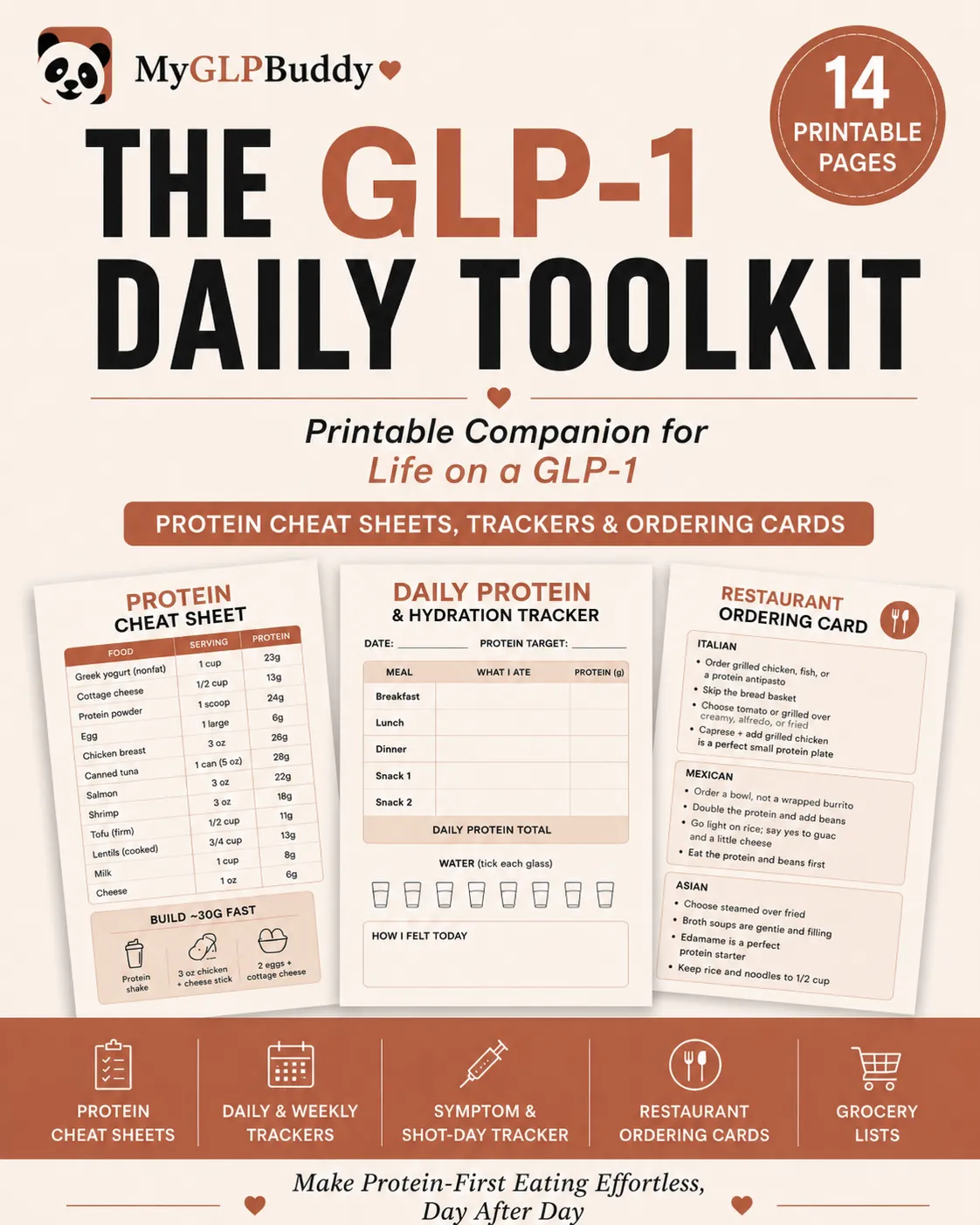
Spot your triggers faster
Our GLP-1 Daily Toolkit has a food and symptom tracker plus a side-effect cheat sheet, so you can see which foods set off the burps and which ones sit just fine.
Foods that commonly trigger it
These are high in sulfur, so they feed the smell. You don’t have to ban them forever, just dial them back during a flare.
| Limit during a flare | Gentler swaps |
|---|---|
| Eggs | Greek yogurt or a protein shake |
| Garlic and onions | Fresh herbs, a little olive oil |
| Broccoli, cauliflower, cabbage | Zucchini, green beans, carrots |
| Red meat | Chicken, turkey, or fish |
| Fried and greasy foods | Baked or grilled versions |
One honest note: eggs are a protein favorite on a GLP-1, so losing them for a bit stings. Lean on our high-protein snacks to keep your numbers up while you take a break from the trigger foods.
How long do sulfur burps last?
For most people they’re an early-therapy thing, worst in the first few weeks and after a dose increase, then they ease as your body adjusts. If they stick around or get worse, that’s worth flagging to your provider, who may tweak your dose or timing.
Why they smell like rotten eggs
The rotten-egg smell is hydrogen sulfide gas, and the chemistry is simple even if the result is unpleasant. Your gut bacteria break down protein, and one byproduct of that process is hydrogen sulfide. Normally food moves through quickly enough that very little builds up.
On a GLP-1, your stomach empties much more slowly, so food sits and ferments longer, and more of that sulfur gas is produced before everything moves along. Eating a lot of naturally sulfur-rich foods, like eggs, garlic, and onions, gives the bacteria even more raw material to work with. So the smell is really just slowed digestion plus sulfur-heavy food, not a sign that something is wrong.
Try a short low-sulfur reset
If sulfur burps are bothering you, a one to two week low-sulfur reset is the fastest way to see relief. The idea is to temporarily pull back on the foods that feed the smell, give your system a break, and then reintroduce them slowly.
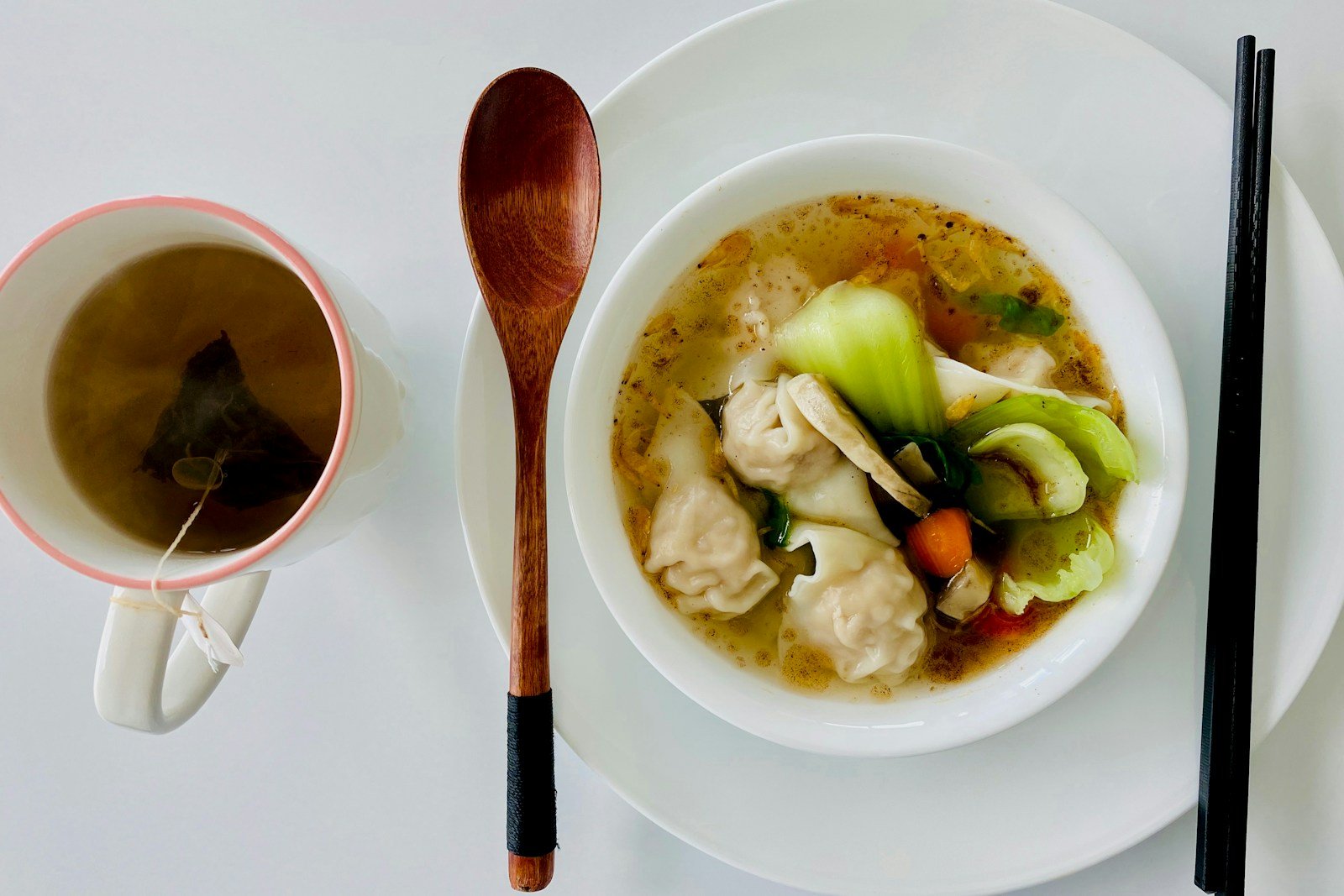
For a couple of weeks, ease off eggs, garlic, onions, broccoli, cauliflower, cabbage, red meat, and fried or greasy food. Lean instead on gentler proteins like chicken, fish, and Greek yogurt, plus rice, zucchini, carrots, and green beans. Many people notice the burps fade within days. Our high-protein snacks guide has plenty of low-sulfur options to keep your protein up during the reset.
Eating and drinking habits that reduce burping
How you eat matters as much as what you eat. Smaller, more frequent meals mean less food is fermenting in your stomach at any one time, which means less gas. Eating slowly and not gulping air with your food helps too.
Skip carbonated drinks entirely, since the bubbles simply add more gas to burp back up, and avoid lying down right after eating, which traps gas and can bring on reflux. A short walk after a meal helps everything move along. These small adjustments, stacked together, noticeably cut down on the burping.
Remedies and over-the-counter options that can help
A few simple remedies take the edge off. Peppermint or ginger tea can soothe the stomach and ease gas. Staying well hydrated keeps things moving so less gas builds up. Some people find a probiotic helps balance the gut bacteria over time, though the effect varies.
For more immediate relief, over-the-counter options like bismuth subsalicylate, the active ingredient in some stomach remedies, can reduce the sulfur smell, and simethicone can help with trapped gas. Check with your pharmacist before adding anything, especially alongside your other medications, but these are common, low-risk tools for stubborn burps.
Sulfur burps and diarrhea: the link
Sulfur burps sometimes arrive together with diarrhea, and the pairing has a name some people search for as the rotten-egg burp and stomach-upset combo. The same slowed, fermenting digestion that produces the gas can also irritate the gut, and the two often show up around the same time, especially after a dose increase.
On its own this is usually uncomfortable rather than dangerous, and it tends to settle as your body adjusts. But if the diarrhea is severe or persistent, or you cannot keep fluids down, that moves it into call-your-provider territory, since dehydration is the real risk. Replace fluids and electrolytes in the meantime.
How to bring trigger foods back without the smell
You do not have to give up eggs and garlic forever. Once the burps have calmed down, reintroduce the sulfur-rich foods you miss one at a time, in small amounts, so you can see which ones your stomach handles and which still cause trouble.
Eggs are a protein favorite, so they are often the first to test. Many people find that smaller portions, or pairing trigger foods with a short walk afterward, lets them keep eating the foods they love without the smell coming back. It becomes less about banning foods and more about knowing your own limits.
Preventing them around shot day
Sulfur burps, like most GLP-1 side effects, are usually worst in the first weeks and in the day or two after each dose, and they often flare again after a dose increase. Knowing that, you can prevent the worst of it by eating gently right when you are most vulnerable.
In the days after your shot, keep meals smaller and lower in sulfur, skip the greasy and carbonated stuff, and stay hydrated. If the burps are relentless no matter what you do, or come with persistent vomiting or diarrhea, talk to your provider about your dose or timing. And if constipation is part of the picture, our constipation guide helps keep things moving, which also reduces the fermentation behind the smell.
One reader figured out her morning eggs were the culprit. She switched to a yogurt-and-berry breakfast for two weeks, and the rotten-egg burps were gone by the weekend.
When to call your doctor
Sulfur burps on their own are annoying, not dangerous. But check in with your provider if they come with persistent vomiting or diarrhea, signs of dehydration, severe stomach pain, or if they’re so relentless you’re dreading meals. They can look at your dose, timing, or other options.
A note: this article is educational and not medical advice. Talk to your doctor or pharmacist about ongoing symptoms before changing your medication.
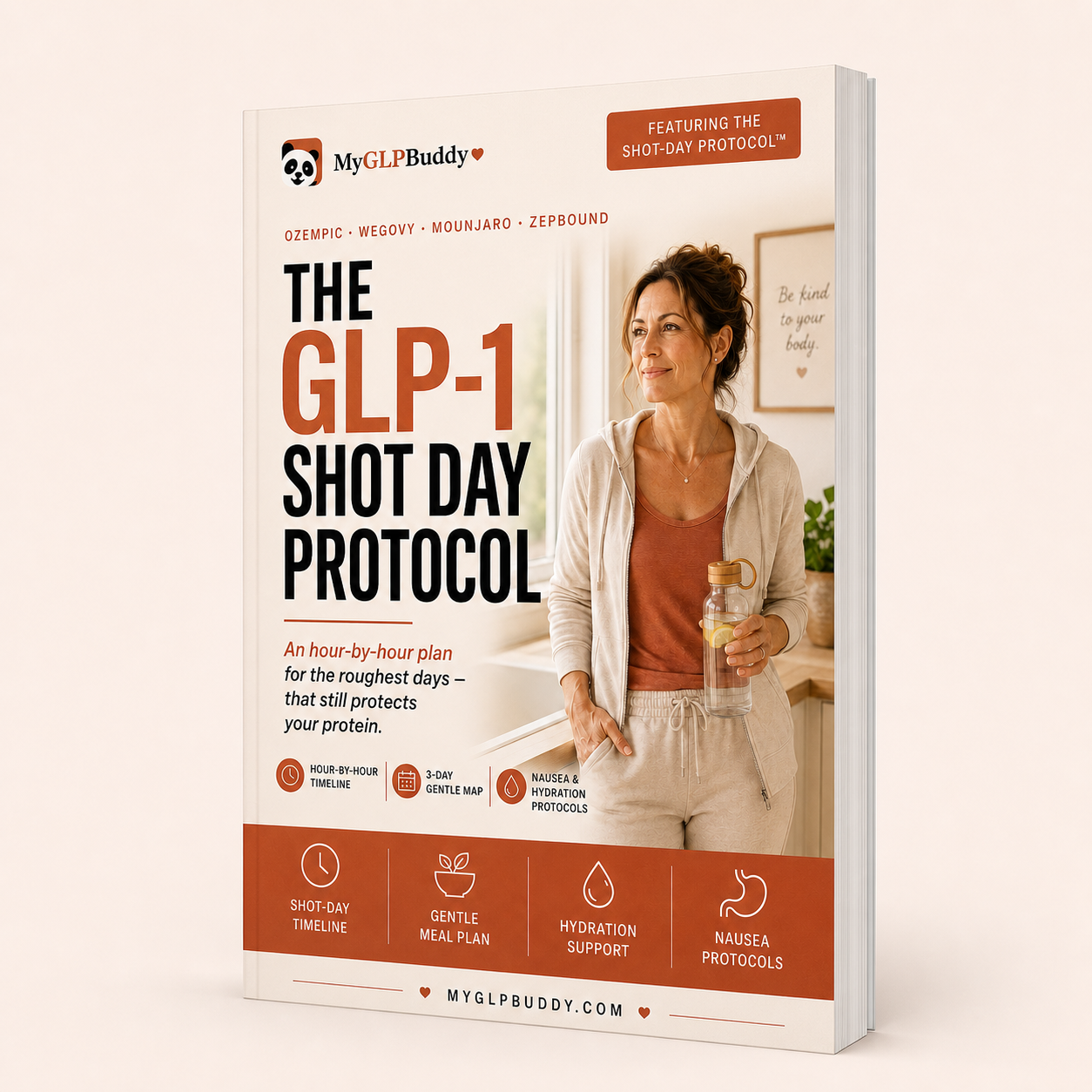
Want a calmer GLP-1 shot day?
The GLP-1 Shot Day Protocol gives you an hour-by-hour food and hydration plan for the days appetite, nausea and energy get unpredictable.
Frequently asked questions
Slowed digestion lets food ferment longer in your stomach, releasing hydrogen sulfide gas, which causes the rotten-egg smell.
Cut back on sulfur-rich and greasy foods, skip carbonated drinks, eat smaller meals, stay hydrated, and avoid lying down right after eating.
Eggs, garlic, onions, broccoli, cauliflower, cabbage, red meat, and fried or greasy foods are the usual suspects.
Usually worst in the first few weeks and after a dose increase, then they ease as your body adjusts.
If they come with persistent vomiting or diarrhea, dehydration, severe stomach pain, or just will not let up, contact your provider.
GB
The My GLP Buddy Team
Medically reviewed by Dr. Matt K, MD. We write plain-language, protein-first guidance for people navigating GLP-1 medications, reviewed by a physician for accuracy. Support for the day-to-day, not a replacement for your own care team.

Free download
Get the free GLP-1 grocery list
Protein-first meals and snacks, plus gentle weekly tips for eating well on your medication. No spam.