myglpbuddy.com

Muscle & movement

Gentle Exercise on a GLP-1: A 10-Minute At-Home Routine
By The My GLP Buddy Team · Medically reviewed by Dr. Matt K, MD · Updated June 2026
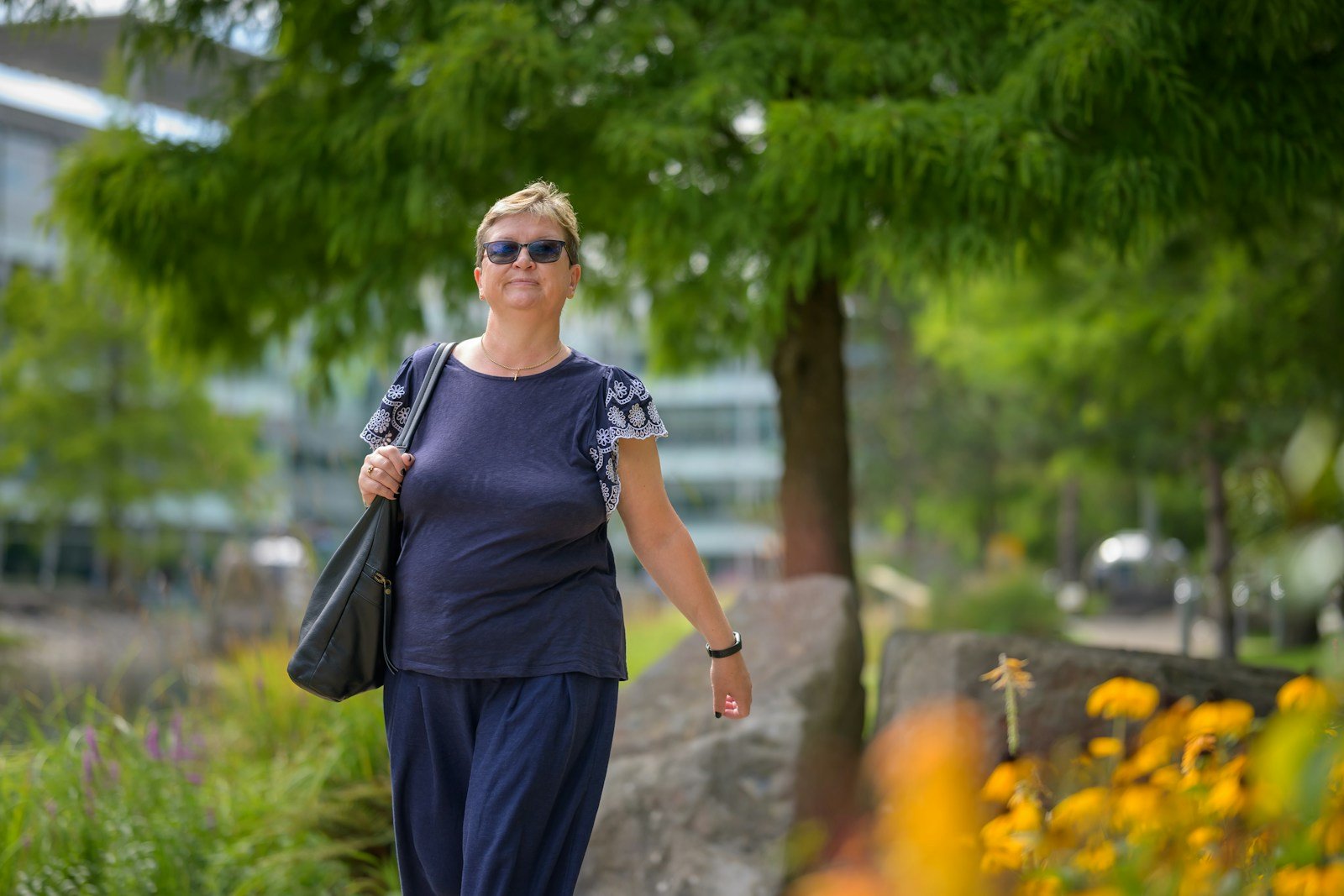
Woman taking a gentle walk outdoors
When your appetite and energy are both low, the last thing you want is a hard workout, and you don’t need one. On a GLP-1, the goal isn’t to push harder, it’s to move gently and consistently so you protect your muscle without wearing yourself out. Ten minutes a few times a week is genuinely enough to make a difference. The two things that matter most are a little light strength work and regular short walks, especially after meals. Movement also tends to lift your energy rather than drain it, which surprises a lot of people.
Below is a simple 10-minute routine you can do at home with no equipment, plus how to move safely when energy is low and how to fuel it.
What's in this guide
Why move on a GLP-1 • The gentle mindset • When to take it easy • The 10-minute routine • The power of walking • How to fuel low-energy movement • Building up • FAQ

Why movement matters on a GLP-1

Two big reasons. First, muscle: resistance movement is the signal that tells your body to keep its muscle while you lose fat, which protects your strength, your shape, and your metabolism. Without it, more of your weight loss comes from muscle, as covered in our muscle loss guide.
Second, energy. It feels backwards, but gentle movement usually boosts energy rather than draining it. As Mass General notes, the right kind of activity helps your body adapt and hold onto strength even when appetite is low. A short walk can wake your whole system up, and it lifts your mood too.

The gentle mindset: consistency over intensity

Forget no pain, no gain. On a GLP-1, the winning approach is small and steady. A 10-minute session you actually do three times a week beats an hour-long workout you dread and skip. You’re not training for a marathon, you’re sending your muscle a regular signal to stick around.
Move at a pace where you could still hold a conversation, stop before you’re exhausted, and let consistency do the work. Hinge Health makes the same point: gentle muscle activation done regularly is what preserves strength on these medications.

When to take it easy

Some days call for less, and that’s fine. Ease off or skip the harder stuff if you’re dizzy, nauseous, or genuinely wiped out, which is more common in the early weeks and the day or two after a dose increase. On those days, a slow walk or some light stretching still counts.
Plan your gentlest movement for the low-energy part of your dosing week. Our shot day guide explains the weekly rhythm so you can match your effort to your energy.

The 10-minute at-home routine

No equipment, no floor work required if that’s hard for you, and nothing that leaves you drained. Move slowly, breathe, and stop any move that hurts. Do this two or three times a week.

Warm-up (2 minutes). March in place, roll your shoulders, and do gentle torso twists to loosen up.

1. Sit-to-stands (1 minute). Stand up from a sturdy chair without using your hands, then sit back down with control. The best lower-body move there is.

2. Wall or counter push-ups (1 minute). Hands on a wall or kitchen counter, lower your chest in and press back out. Easy on the shoulders.

3. Glute bridges (1 minute). Lie on your back, knees bent, and lift your hips, squeezing at the top. Builds the glutes and lower back. (Or do standing hip extensions holding a counter.)

4. Standing rows with a band or bag (1 minute). Pull something toward you to work your back. A resistance band or a heavy bag both work.

5. Calf raises (1 minute). Hold a counter and rise onto your toes, then lower slowly. Great for balance and circulation.

6. Seated knee lifts or marching (1 minute). Lift one knee at a time to gently work your core and hips.

Cooldown (2 minutes). Gentle stretches for your legs, back, and shoulders, plus a few slow breaths.
That’s it. As it gets easier, add a second round or a few more reps per move. This routine also pairs with the glute work in our Ozempic face and butt guide.

Short routines, built for low-energy days

The GLP-1 Success System includes follow-along 10-minute strength routines and a weekly movement plan that flexes with your energy, so you keep your muscle without burning out.

The quiet power of walking

If you only do one thing, walk. It’s the most underrated movement on a GLP-1: free, gentle, and weirdly effective at lifting energy and mood. A short walk after meals is especially good, helping digestion and steadying blood sugar, which can also ease the heavy, too-full feeling a slowed stomach gives you.
You don’t need a step target to start. A 10-minute walk after lunch or dinner, most days, is a real win. Build from there only if it feels good. Walking also pairs perfectly with strength work, covering the cardio side without draining you.

How to fuel low-energy movement

Moving on a small appetite means fueling smart. A little protein plus a bit of carbohydrate before or after gives you steadier energy than either alone, like apple slices with peanut butter, or yogurt with berries. Set your daily protein with our calculator and lean on our high-protein foods.
Hydrate before and after, since dehydration makes fatigue and dizziness worse. And if low energy is a constant struggle, our fatigue guide digs into the food and fluid fixes that help most.

Building up gradually

Start smaller than you think you need to. One 10-minute session and a couple of short walks in your first week is plenty. Once that feels routine, add a second strength session, then a third, then a few more reps or a second round. Slow, steady progress is exactly what protects muscle without overwhelming your recovery while you’re eating less.
A note: this article is educational and not medical advice. Talk to your doctor before starting a new exercise program, and stop and seek care if you feel chest pain, severe dizziness, or faintness.

Gentle cardio options beyond walking

Walking is the easiest win, but on days you want variety or the weather is bad, plenty of low-impact options keep you moving without wearing you out:

Marching in place. A few minutes at a time while you watch TV. Zero equipment, zero excuses.

Chair cardio. Seated marches, arm raises, and gentle punches when standing feels like too much.

Stationary cycling. Easy on the joints, and you fully control the intensity.

Dancing. A couple of songs in the kitchen counts, and it lifts your mood as much as your heart rate.

Swimming or water walking. Gentle on the joints and easy to keep at a comfortable, low intensity.

Keep any of these at a pace where you could still hold a conversation. The goal is to move, not to exhaust yourself.

How to stay consistent when motivation is low

On a GLP-1, motivation comes and goes with your energy, so don’t rely on it. Rely on systems instead:

Stack it onto a habit you already have. Walk right after dinner, or do the chair routine before your morning coffee.

Make the goal almost too easy. Two minutes counts. Starting is the hard part, and you’ll usually keep going once you do.

Match it to your dosing rhythm. Plan more on higher-energy days and less right after your shot. Our shot day guide explains the weekly cycle.

Track it simply. A tick on the calendar builds a streak you won’t want to break.

Forgive the missed days. One skipped session isn’t failure. Just do the next one, no guilt.

One reader was too tired to imagine working out. She started with a 10-minute walk after dinner and the chair routine twice a week. A month later she had more energy, not less, and her strength was climbing.

Frequently asked questions

Yes, gently. Light movement like short walks and a 10-minute strength routine usually boosts energy rather than draining it. Ease off on days you feel dizzy, nauseous, or truly exhausted.
A mix of gentle strength training two to three times a week to protect muscle, plus regular short walks, especially after meals. Low-to-moderate intensity is ideal.
Less than you think. Ten minutes of strength work a few times a week plus daily short walks is enough to protect muscle and support energy.
Both, but strength is the priority for protecting muscle. Walking covers the cardio side gently without draining you.
Generally yes, but keep it gentle in the early weeks and after a dose increase, when fatigue and nausea are more likely. Check with your provider if you are unsure.
Yes. Short walks, especially after meals, help digestion, steady blood sugar, lift energy and mood, and are one of the easiest ways to stay active.
GB

The My GLP Buddy Team

Medically reviewed by Dr. Matt K, MD. We write plain-language, protein-first guidance for people navigating GLP-1 medications, reviewed by a physician for accuracy. Support for the day-to-day, not a replacement for your own care team.

Keep reading

Woman taking a gentle walk outdoors
Muscle & movement

Muscle loss on Ozempic

Woman taking a gentle walk outdoors
Muscle & movement

Ozempic face & butt

Woman taking a gentle walk outdoors
Side effects

Ozempic fatigue and low energy

Free download

Get the free GLP-1 grocery list

The protein-first foods that fuel gentle movement, plus weekly tips for eating well on your medication. No spam.
Scroll to Top