Eating on GLP-1
What to Eat on Ozempic: A Simple, Protein-First Food List
By The My GLP Buddy Team · Medically reviewed by Dr. Matt K, MD · Updated June 2026
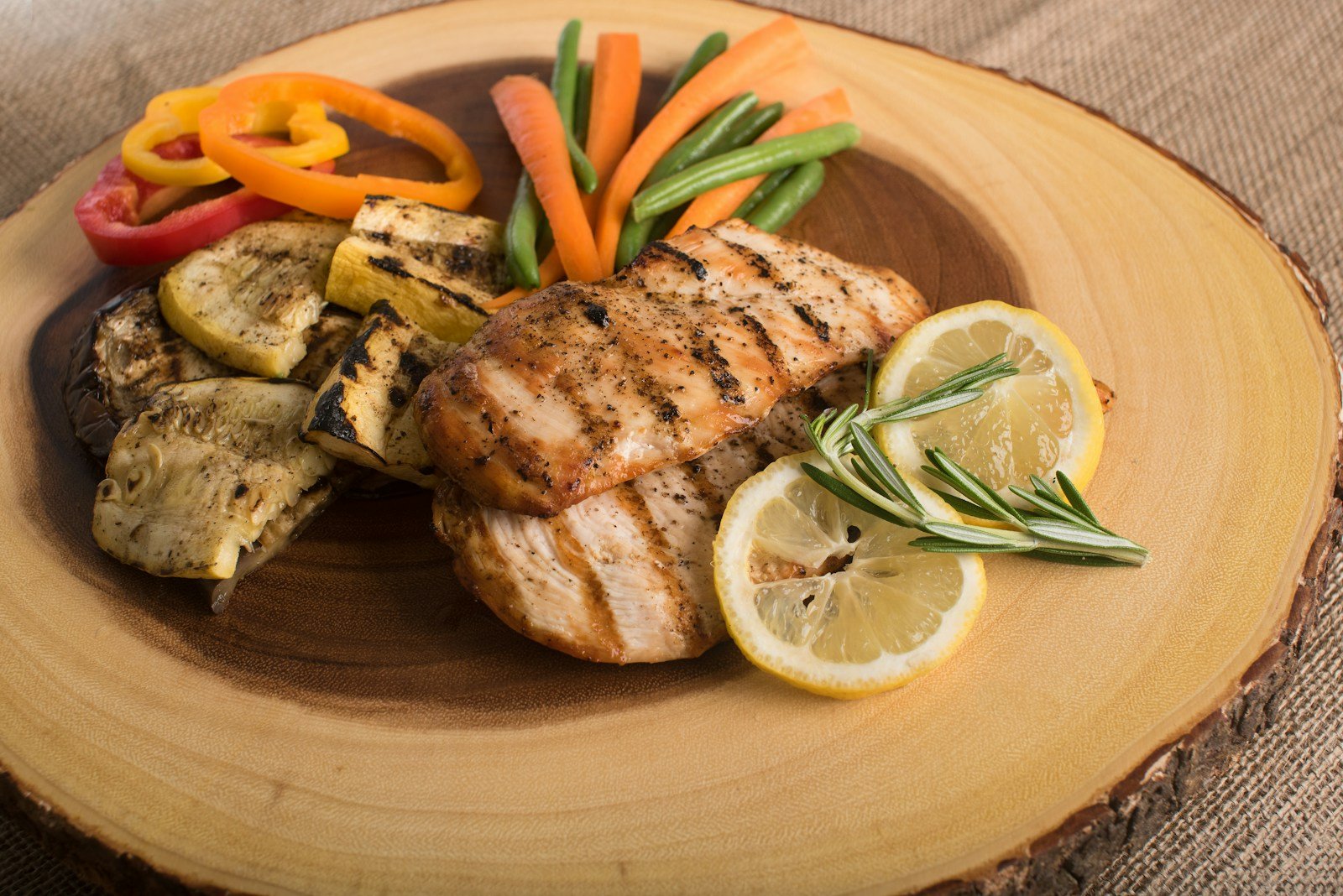
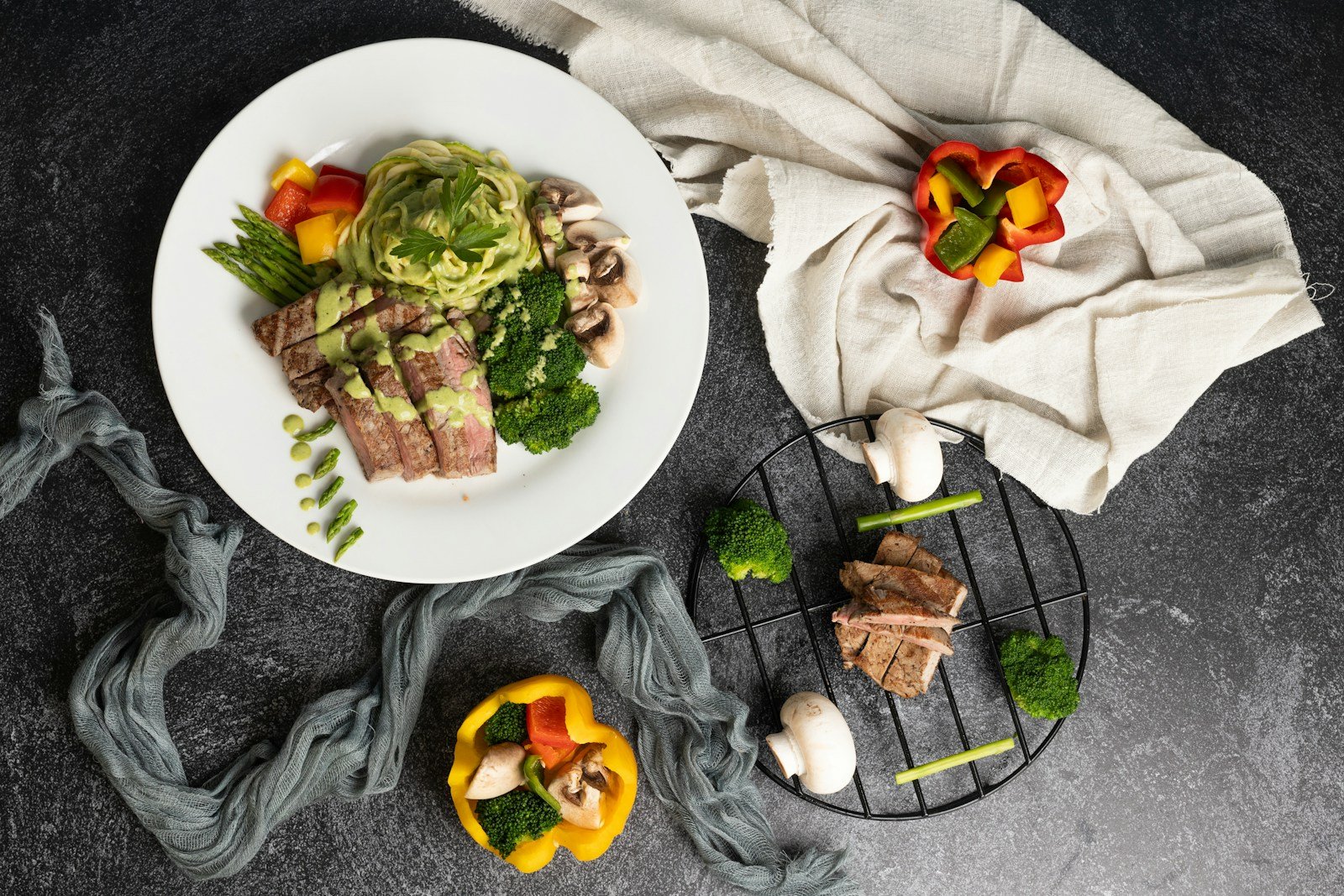
You filled the pen, took your first dose, and now you’re standing at the fridge with no idea what to actually eat. We’ve got you. Here’s the short version: on Ozempic, lead every meal with protein, add fruit or vegetables for fiber, keep your portions small, and go easy on fried and greasy food. That’s the whole game. Protein first, produce second, a smart carb third, small plates all day.
Below is the plain-language food list, a sample day of eating, and the foods that tend to cause trouble. No willpower required. Just a simple way to eat that fits the appetite you have right now.
What's in this guide
Build your plate in this order • The best foods to eat • Foods to go easy on • How much protein and fiber • A simple day of eating • How to eat, not just what • FAQ
Build your plate in this order
Ozempic quiets your hunger and slows how fast your stomach empties. So when you can only eat a little, the order matters. Fill up on the wrong stuff and you’ve spent your appetite on food that doesn’t do much for you.
- Protein first. It protects your muscle while you lose fat, and it keeps you full and steady. Eat it before the carbs on your plate.
- Produce second. Vegetables and fruit add fiber, which slows digestion, helps with fullness, and keeps things moving.
- A smart carb third. A small scoop of rice, a little potato, oats, whole-grain toast. Real fuel, just not the whole plate.
- A little healthy fat. Olive oil, avocado, a few nuts. Keep it modest, because large amounts of fat are a common nausea trigger.
That’s the pattern for almost every meal. You don’t have to count anything to follow it.
The best foods to eat on Ozempic
These tend to sit well, pack protein, and don’t overwhelm a small appetite. Build your meals from this list and you’ve done most of the work.
Lean proteins (your anchor):
| Food | Serving | Protein |
|---|---|---|
| Chicken breast | 3 oz | ~26 g |
| Canned tuna | 1 can (5 oz) | ~28 g |
| Salmon | 3 oz | ~22 g |
| Greek yogurt (nonfat) | 1 cup | ~23 g |
| Eggs | 2 large | ~12 g |
| Cottage cheese | 1/2 cup | ~13 g |
| Tofu | 1/2 cup | ~11 g |
| Lentils | 1/2 cup | ~9 g |
Produce and gentle carbs: berries, banana, leafy greens, cucumber, tomatoes, peppers, oats, sweet potato, whole-grain crackers, beans. Most people find these easy to tolerate. WebMD’s dietitian-built guide lands in the same place: lean protein, non-starchy vegetables, whole grains, and low-fat dairy.
Foods to go easy on
Nothing is truly banned. But these are the foods that most often cause nausea, reflux, or that brick-in-your-stomach feeling when digestion is already slowed.
- Fried and very greasy food (fast food, fries, anything battered)
- Large, high-fat meals like pizza, creamy pasta, and heavy cream sauces
- Very sugary foods and drinks, which spike blood sugar and crowd out protein
- Carbonated drinks, which add to bloating
- Alcohol, which can hit harder now and adds empty calories
GoodRx’s pharmacist-reviewed list flags the same usual suspects. If a food consistently makes you feel awful, that’s your answer. Swap it.
How much protein and fiber do you actually need?
Protein is the one number worth caring about. Most people on a GLP-1 should aim for at least 60 grams a day, and many do better closer to 80 to 100, spread across small meals. Your exact target depends on your body weight. Get yours in about ten seconds with our free GLP-1 protein calculator, then read more in our guide to protein on GLP-1.
For fiber, aim for around 25 to 30 grams a day, but ramp up slowly and drink plenty of water. Add too much too fast and you’ll feel worse, not better. Fiber is your best friend for the constipation that often comes with these meds.
One thing the food blogs skip: eating too little, or too little variety, can leave you short on nutrients. A 2024 study covered by Harvard Health found vitamin D deficiency was the most common nutritional gap in people on GLP-1 medications. That’s exactly why protein plus colorful produce beats barely eating. Quality matters more now, not less.
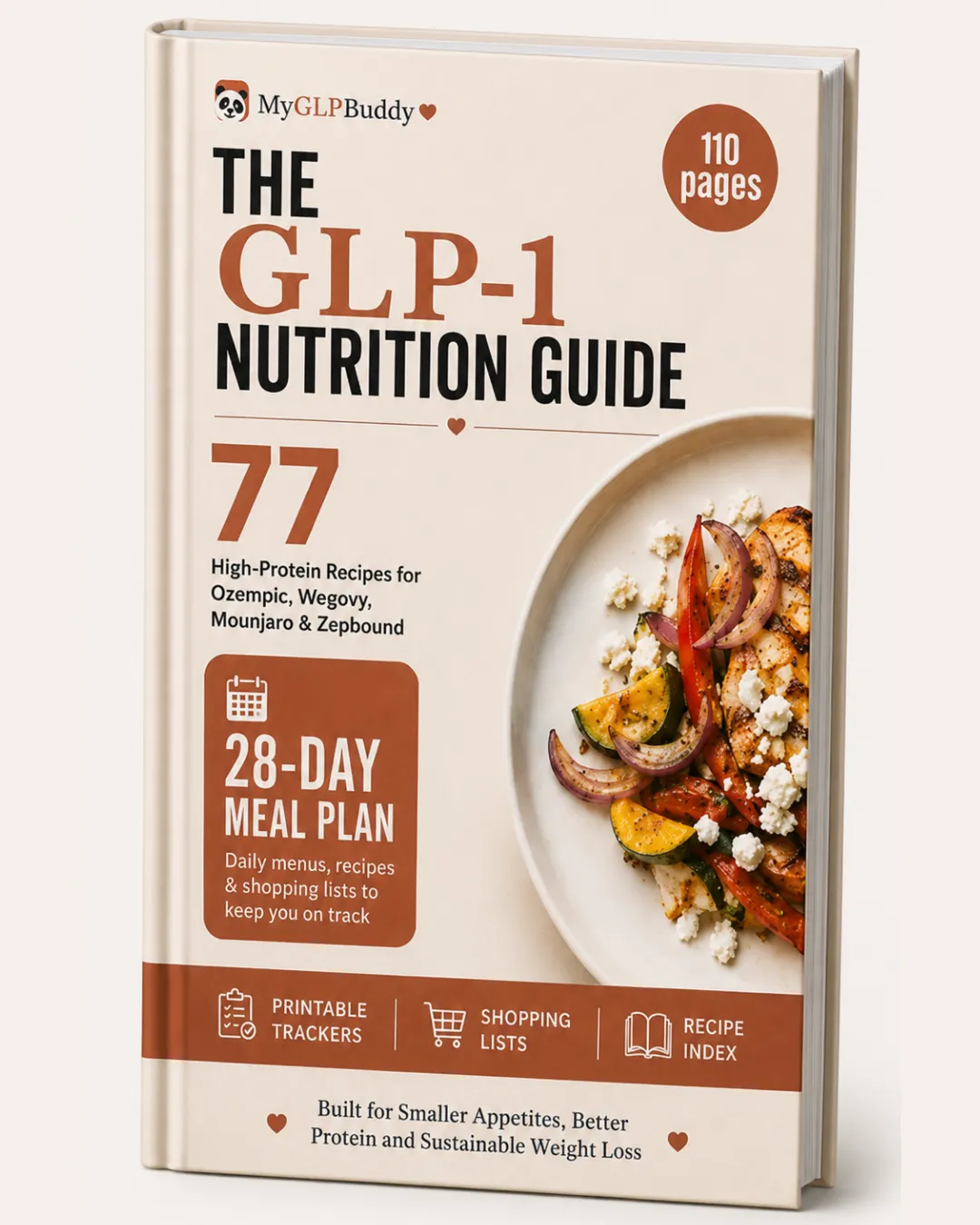
Want the meals done for you?
Our GLP-1 Nutrition Guide turns this exact plate framework into 77 protein-first recipes and a 28-day meal plan with shopping lists. Every recipe shows its protein, so you never have to guess.
A simple day of eating on Ozempic
Here’s what protein-first, small and often looks like on a normal day. This lands around 95 grams of protein without anyone trying very hard.
- Breakfast: Greek yogurt with berries and a sprinkle of granola (~25 g protein)
- Lunch: grilled chicken, roasted vegetables, a small scoop of rice (~30 g)
- Snack: a cheese stick and an apple (~8 g)
- Dinner: baked salmon, greens, half a sweet potato (~30 g)
Need more ideas? Our full guide to eating well on GLP-1 covers breakfasts, lunches, and snacks built for a small appetite.
How to eat, not just what (the part people miss)
What’s on the plate is only half of it. How you eat matters just as much now.
- Small and often. Three to five small meals usually sit better than two or three big ones.
- Eat slowly, and stop early. The full signal arrives sooner on Ozempic. When you feel it, you’re done.
- Sip between meals, not during. Filling up on liquid mid-meal crowds out the food you actually need.
One reader told us she kept eating her old portions out of habit, then felt sick every afternoon. She halved her plate, ate the protein first, and the nausea mostly stopped. Small change, big difference.
On the days nothing sounds good
Some days your appetite is just gone, especially right after your shot. Don’t force a full meal. Lean on sippable protein: a shake, a smoothie, Greek yogurt, or a mug of broth. Something gentle always beats nothing. If nausea is the problem, our guide to what to eat for Ozempic nausea walks through the foods that settle a queasy stomach fast.
When to talk to your doctor
This is the gentle, everyday stuff. But loop in your healthcare provider if you have severe or lasting vomiting, can’t keep fluids down, are losing weight very fast while feeling weak, or notice low energy that doesn’t lift. It’s also worth asking whether a vitamin D or B12 check makes sense for you. Nutritionists interviewed by NPR stress the same point: the medication works best alongside genuinely nourishing food, not less food.
A note: this article is educational and not medical advice. Talk to your doctor, pharmacist, or registered dietitian about your own plan before making changes.
Build-your-plate: a simple formula
You do not need a recipe for every meal, just a simple formula you can repeat. On a GLP-1, the winning plate is protein first, then a little produce, then a small amount of a gentle carb if you want it. Start with a palm of lean protein, add some soft or cooked vegetables or a bit of fruit, and round it out with a small portion of rice, oats, or whole grains.
Because your appetite is smaller, the protein takes up most of the plate and everything else plays a supporting role. Get the protein in first so that if you fill up after a few bites, you have already had the part that matters most. Master this one pattern and you can build an endless number of meals without thinking. Our protein guide tells you how much that palm of protein should add up to.
A sample protein-first day
It helps to see how a whole day comes together when portions are small. Breakfast might be Greek yogurt with berries and a little granola, or a couple of soft scrambled eggs. A mid-morning snack of a cheese stick and some almonds keeps you going.
Lunch could be a tuna or chicken salad over greens, with an afternoon protein shake or a small handful of edamame to bridge to dinner. Dinner is something light and gentle, like salmon with roasted vegetables. None of it is a big meal, but spread across the day it adds up to plenty of protein and steady energy, which is exactly the goal.
Eating out and on the go
You do not have to cook every meal to eat well on a GLP-1. When you are out, the same protein-first rule carries you. Order grilled chicken or fish, a salad with a protein on top, a burger without the bun, or a burrito bowl instead of the wrap, and ask for sauces and dressings on the side.
Remember you no longer need a full plate, so a starter, an appetizer as a main, or a half portion is often exactly right, and boxing half to take home is an easy win. Lean toward grilled over fried and keep portions modest, and most restaurant meals work just fine. The foods most likely to sit heavy are covered in our foods to avoid guide.
Stay hydrated alongside your meals
Eating less usually means drinking less, and good hydration makes a surprising difference to how you feel, easing fatigue, headaches, and constipation, and even taking the edge off nausea. Fluids are an easy lever that often gets overlooked when the focus is on food.
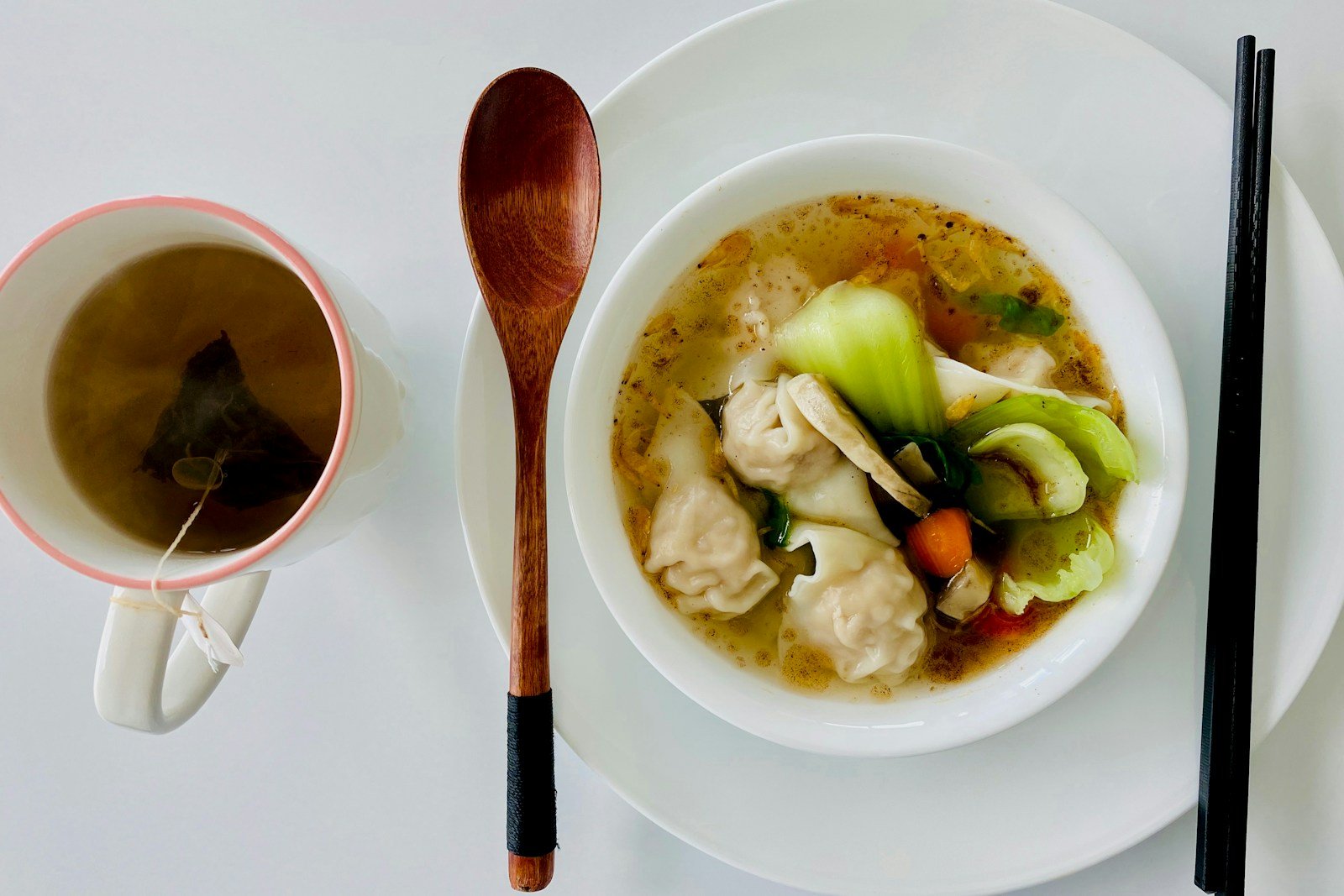
Sip water steadily through the day rather than gulping a lot at once, which can make you feel too full to eat. A useful habit is to drink between meals more than during them, so liquid does not crowd out the small amount of food you can manage. Broth, milk, and herbal tea all count toward your fluids and add a little nourishment too.
How to eat on the rough days
Not every day will go to plan, and that is normal. On the days nausea hits or your appetite vanishes entirely, the goal shifts from eating well to simply getting gentle protein and fluids in however you can. Go cold, soft, and small: yogurt, a smoothie, a few crackers, a sip of broth.
Do not force a proper meal on a bad day, and do not skip eating altogether either, a few bites of something that works is the right target. Keep some no-cook backups on hand for exactly these moments. Our guides to nausea and eating with no appetite are built for the hard days, and our high-protein snacks give you easy options to keep stocked.
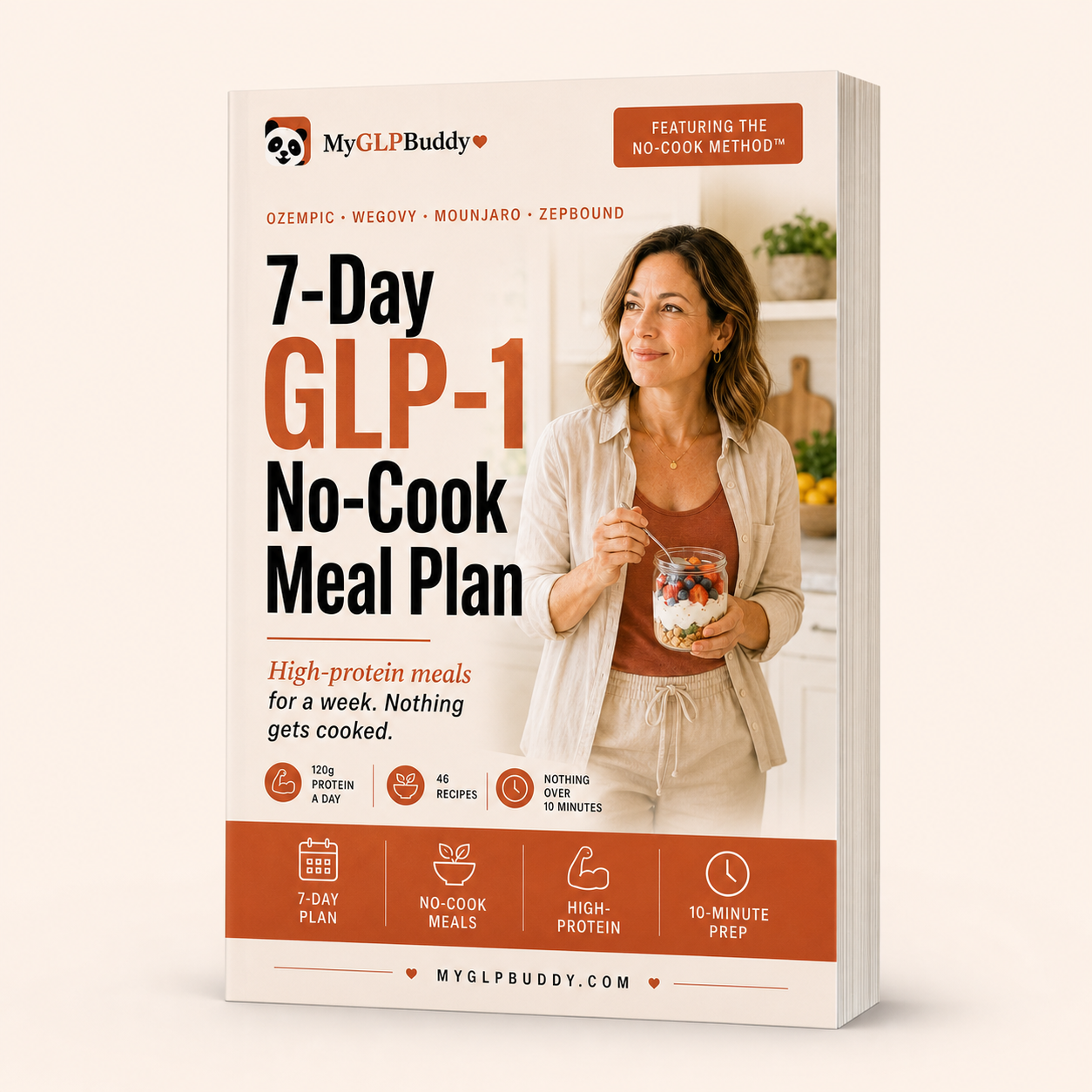
Need a GLP-1 week without cooking?
The 7-Day GLP-1 No-Cook Meal Plan gives you high-protein meals, a grocery list, protein counts and low-appetite swaps for the weeks cooking feels impossible.
Frequently asked questions
Fried and very greasy food, large high-fat meals, very sugary foods and drinks, carbonated drinks, and alcohol cause the most trouble. They are the usual triggers for nausea and reflux when digestion is slowed.
Aim for at least 60 grams a day, and often 80 to 100, spread across small meals. Your exact number depends on your body weight.
Something protein-forward and gentle. Greek yogurt with berries, a couple of eggs, cottage cheese, or a protein shake all bank your protein early, while your appetite is lowest later in the day.
Coffee is usually fine, though it can be harsh on an empty stomach. Alcohol often hits harder on a GLP-1 and adds empty calories, so go slow and have it with food, if at all.
You can, if your protein drops too low while the weight comes off fast. Protein-first eating, plus a little gentle movement, is the simplest way to protect it.
GB
The My GLP Buddy Team
Medically reviewed by Dr. Matt K, MD. We write plain-language, protein-first guidance for people navigating GLP-1 medications, reviewed by a physician for accuracy. Support for the day-to-day, not a replacement for your own care team.
Free download
Get the free GLP-1 grocery list
Plus gentle weekly tips for eating well on your medication. No spam.