Eating on GLP-1
Foods to Avoid on GLP-1: What Makes Side Effects Worse
By The My GLP Buddy Team · Medically reviewed by Dr. Matt K, MD · Updated June 2026
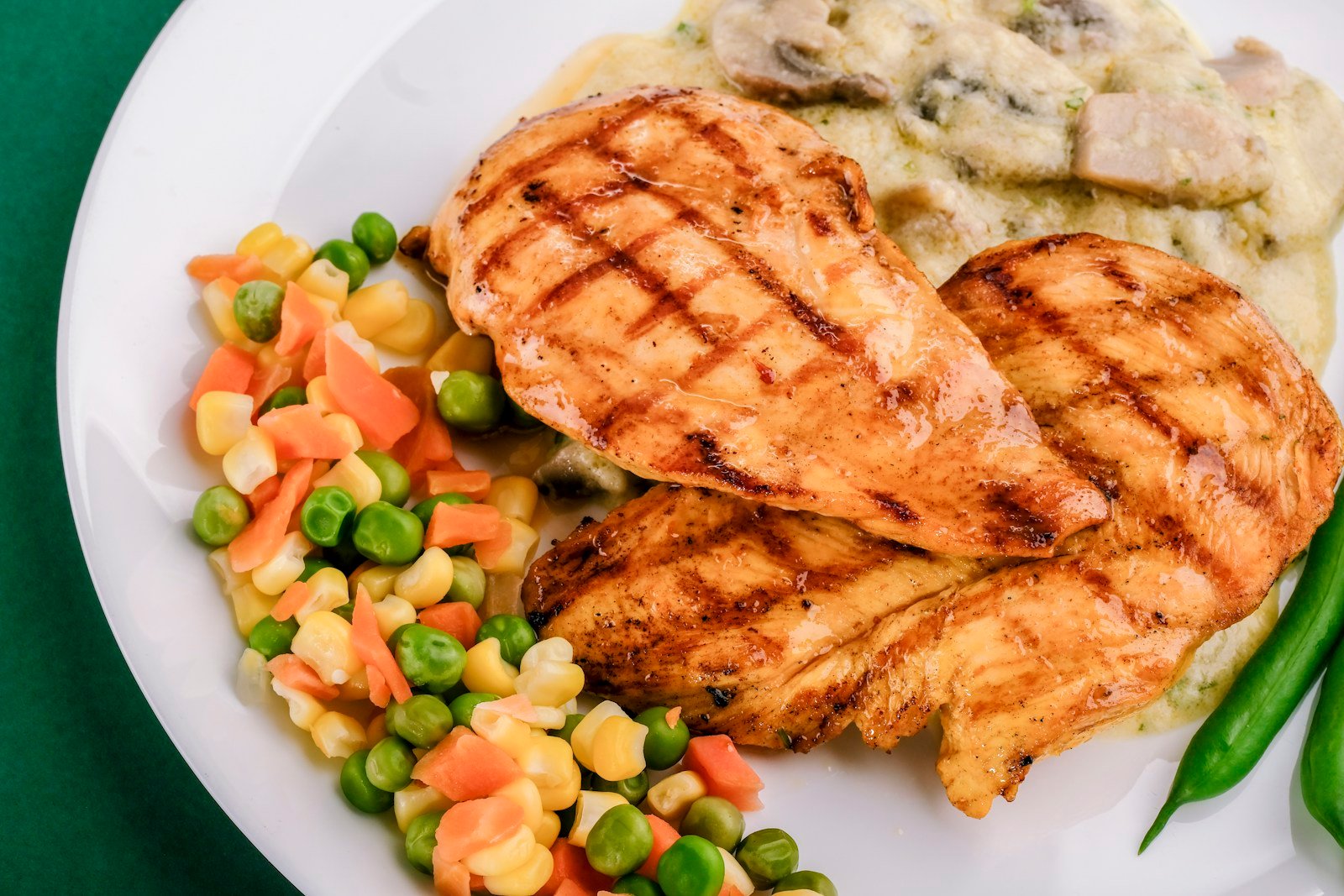
If certain meals leave you queasy, bloated, or uncomfortably full on a GLP-1, the food is often the reason. A few categories tend to cause the most trouble: fatty and fried foods, sugary foods and drinks, ultra-processed snacks, carbonated drinks, and alcohol. They’re harder on a stomach that’s now emptying slowly, so they sit longer and stir up nausea, heartburn, and gas. The good news is you don’t have to ban anything forever. It’s mostly about smaller portions and gentler choices.
Below is the short list of what to limit, why each one bothers a GLP-1 stomach, and easy swaps that still feel like real food.
What's in this guide
Why some foods hit harder • The foods to limit and why • You don’t have to ban everything • When to talk to your provider • FAQ
Why some foods hit harder on a GLP-1
It comes down to one thing: GLP-1s slow how fast your stomach empties. That’s part of why you feel full longer. But it also means food lingers, and heavy, greasy, or sugary meals linger worst of all. As Cleveland Clinic explains, that slowed emptying is exactly why rich foods can trigger nausea, heartburn, or that too-full feeling.
So this isn’t about willpower or a forbidden list. It’s about working with a slower digestive system instead of against it.
The foods to limit (and why)
These are the usual culprits. You don’t have to cut them completely, just go smaller and gentler.
| Limit | Why it bothers a GLP-1 stomach | Gentler swap |
|---|---|---|
| Fried and greasy food | High fat empties slowly, so it sits and turns into nausea or heartburn | Baked, grilled, or air-fried |
| Sugary foods and drinks | Spike then crash blood sugar, which can stir up queasiness | Fruit, or protein paired with a little carb |
| Ultra-processed snacks | High in fat, sugar, and salt, easy to overdo, low on protein | Nuts, yogurt, or our high-protein snacks |
| Carbonated drinks | The bubbles add gas and bloating | Still water, herbal or iced tea |
| Alcohol | Irritates the stomach and can affect blood sugar, worse on an empty one | Sparkling water with lime, or smaller amounts with food |
GoodRx flags the same short list, with fatty foods and alcohol near the top. If greasy food is also setting off other symptoms, our guides on nausea and sulfur burps go deeper.
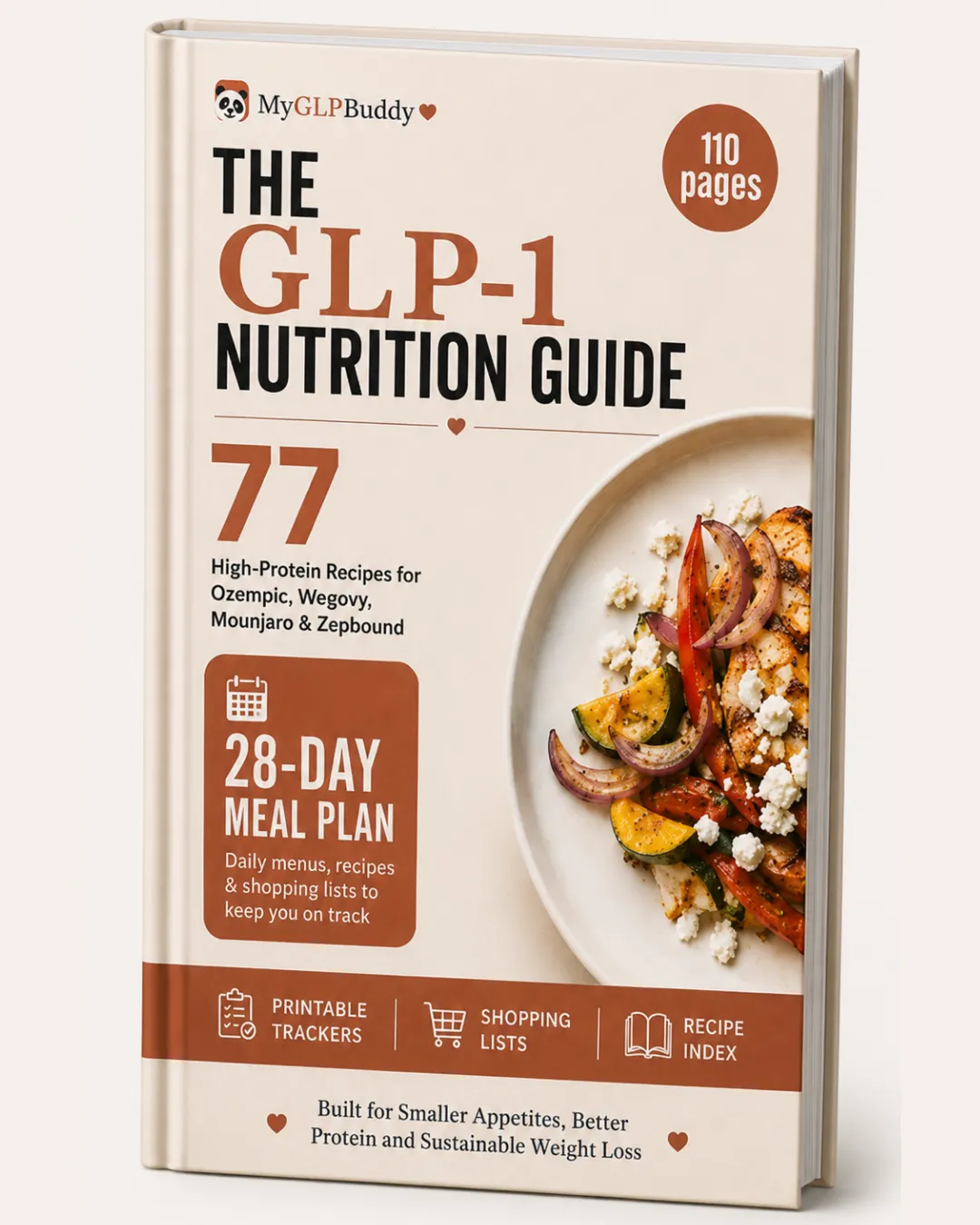
Know exactly what to eat instead
The GLP-1 Nutrition Guide hands you protein-first meals, easy swaps, and a grocery list, so you spend less time guessing what will sit well and more time actually eating.
You don’t have to ban everything
Here’s our honest take: strict no-lists usually backfire. You feel deprived, then you overdo it, then you feel worse. A few bites of something rich, eaten slowly after some protein, is very different from a giant greasy plate on an empty stomach.
Three habits do most of the work. Eat your protein first. Keep portions of the trigger foods small. And give it time, since many foods that bother you in week one sit just fine a month later. For the full plan, see what to eat on Ozempic.
Fatty and fried foods: the biggest offender
If there is one category to be careful with, it is greasy and fried food. High-fat meals empty from the stomach the slowest of all, and on a GLP-1 that is already slowing your digestion, they sit and sit. That lingering is what turns into nausea, heartburn, and an uncomfortably overfull feeling for hours.
Fried chicken, fries, doughnuts, heavy cream sauces, and fatty cuts of meat are the usual culprits. You do not have to avoid fat entirely, healthy fats in normal amounts are fine, but big, greasy plates are the single most common reason a meal goes wrong. Baked, grilled, or air-fried versions give you the same foods far more gently.
Sugary foods and drinks
Foods high in refined sugar cause a quick spike in blood sugar followed by a crash, and that swing can stir up nausea and leave you tired and foggy. On a GLP-1, where steady energy is already a challenge, a sugar rollercoaster is the last thing you want.
Candy, pastries, sweetened cereals, desserts, and sugary drinks are the main ones. Liquid sugar is especially sneaky, since soda, juice, and sweetened coffees add a lot of sugar with no protein or fiber to slow it down. You do not have to cut sugar completely, but smaller amounts, eaten after some protein, sit far better than sweets on an empty stomach.
Ultra-processed foods
Ultra-processed foods, the packaged, ready-to-eat items high in fat, sugar, salt, and additives, are easy to overdo and tend to be low in the protein and fiber you actually need. Think chips, fast food, frozen pizzas and ready meals, processed snacks, and sweets.
Beyond sitting heavy, they crowd out the protein-first, nutrient-dense foods that keep you full and protect your muscle. The fix is not perfection, it is balance: build your meals around whole foods and protein most of the time, and let processed foods be the occasional extra rather than the foundation.
Alcohol on a GLP-1
Alcohol deserves its own mention, because it interacts with these medications in a few ways. It can irritate an already sensitive stomach and make nausea worse, and it can affect your blood sugar, which matters more if you have diabetes or are drinking on an empty stomach.
Because a GLP-1 slows how fast your stomach empties, alcohol can also hit you differently, and sometimes harder, than you are used to. You do not necessarily have to abstain, but it is wise to keep it modest, drink with food rather than on an empty stomach, and see how you feel before having more. If you take other medications, ask your provider about alcohol specifically.
Carbonated drinks and very spicy foods
A couple of smaller categories round out the list. Carbonated drinks, including sodas, sparkling water, and beer, add gas to a slowed digestive system, which means more bloating and more burping, including the sulfur kind. Switching to still water or herbal tea quietly removes a lot of discomfort.
Very spicy or strongly scented foods can also be harder to tolerate, especially when nausea or food aversions are in play, since strong flavors and smells are common triggers. Neither is off-limits for everyone, but if you are having symptoms, these are easy ones to pull back on while your stomach settles.
It is about portion and timing, not a ban list
Here is the honest framing: almost nothing is truly forbidden. Strict no-lists tend to backfire, you feel deprived, then overdo it, then feel worse. A few bites of something rich, eaten slowly after some protein, is a completely different experience from a giant greasy plate on an empty stomach.
So think portion and timing rather than total bans. Eat your protein first, keep the trigger foods small, and give it time, since many foods that bother you in week one sit fine a month later. That flexible approach is far more sustainable, and it is the same one our what to eat on Ozempic guide is built around.
Foods that worsen specific side effects
Different foods aggravate different symptoms, so it helps to match the culprit to what you are feeling. If nausea is your main issue, greasy, sugary, and strong-smelling foods are the worst offenders, covered in our nausea guide. If reflux and burping are the problem, large, fatty, and carbonated foods and late meals are the triggers, as our sulfur burps guide explains.
If constipation is your struggle, the issue is often what is missing, fiber and fluids, more than what you are eating, which our constipation guide addresses. Paying attention to which foods precede which symptoms, and keeping a simple note for a week or two, helps you find your own personal triggers faster than any general list can.
Gentler swaps that still feel like real food
Avoiding the hard-to-tolerate foods does not mean bland, joyless eating. For almost every trigger food there is a gentler swap that scratches the same itch. Swap fried for baked or grilled, heavy cream sauces for tomato or broth-based ones, sugary drinks for sparkling-free flavored water, and big portions for smaller plates with protein first.
When you are eating out, the same logic carries: order grilled over fried, sauces on the side, and a starter or half portion instead of a full plate you cannot finish. You end up eating food you actually enjoy that also treats your stomach well, which is the whole goal.
One reader tried to white-knuckle a zero-fat, zero-sugar plan and lasted four days. When she switched to small portions and protein first, the nausea eased and she actually stuck with it.
When to talk to your provider
Food tweaks fix most of this. But check in with your provider if meals regularly trigger severe heartburn or reflux, vomiting, or stomach pain, or if you’re unsure about alcohol with your other medications. If you have diabetes, ask specifically about alcohol and low blood sugar.
A note: this article is educational and not medical advice. Talk to your doctor, pharmacist, or registered dietitian about your symptoms and any medication interactions.
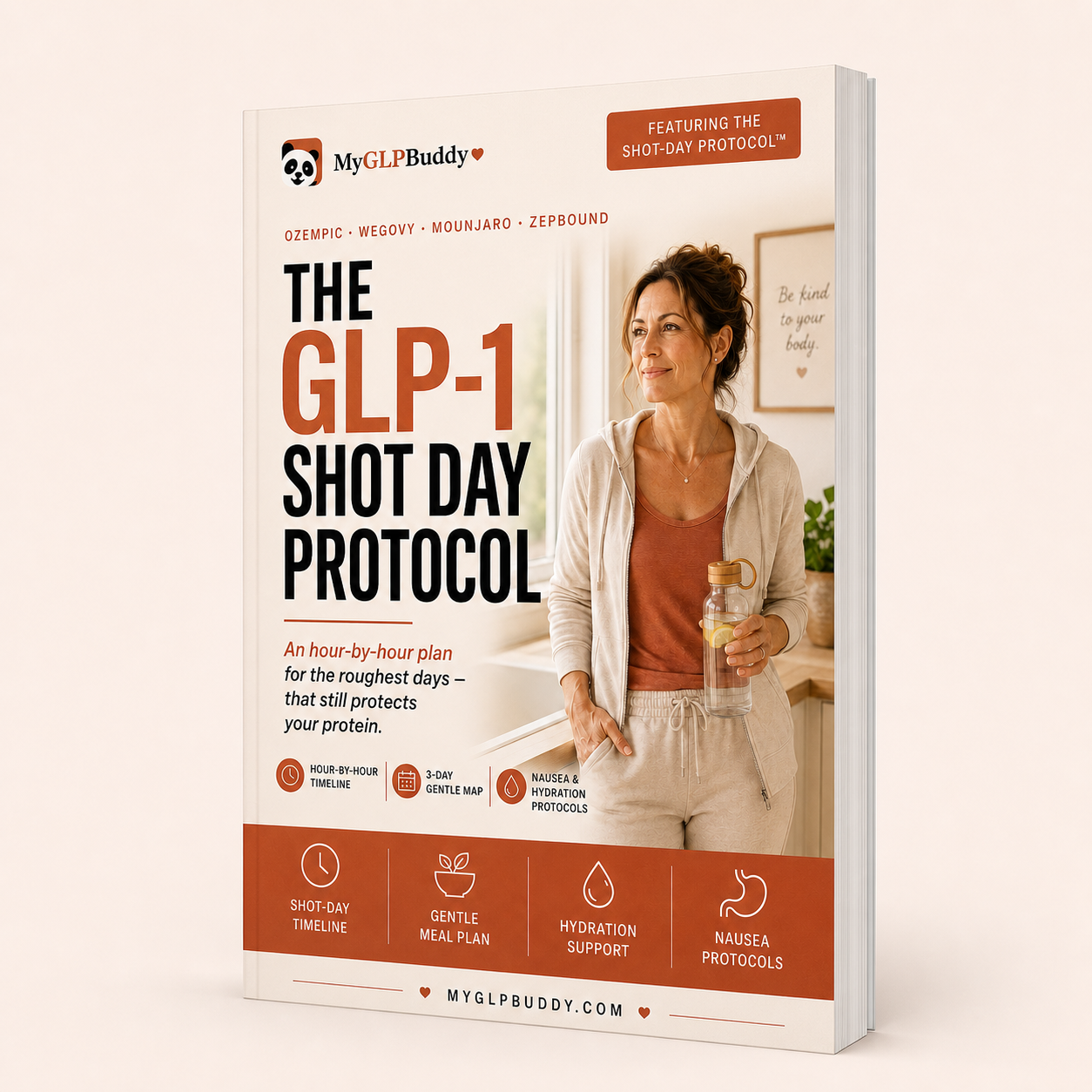
Want a calmer GLP-1 shot day?
The GLP-1 Shot Day Protocol gives you an hour-by-hour food and hydration plan for the days appetite, nausea and energy get unpredictable.
Frequently asked questions
Mainly fried and fatty foods, sugary foods and drinks, ultra-processed snacks, carbonated drinks, and alcohol. They are harder on a stomach that empties slowly.
It is best limited. Alcohol can irritate your stomach, affect blood sugar, and worsen side effects, especially on an empty stomach. Ask your provider, particularly if you have diabetes.
High-fat food empties from the stomach slowly. On a GLP-1 that is already slowed, it sits longer and can cause nausea, heartburn, or feeling overly full.
They are not dangerous, but the bubbles add gas and bloating, which is uncomfortable when digestion is already slowed.
No. You do not have to ban anything. Smaller portions, eaten after some protein, are usually much easier than going cold turkey.
GB
The My GLP Buddy Team
Medically reviewed by Dr. Matt K, MD. We write plain-language, protein-first guidance for people navigating GLP-1 medications, reviewed by a physician for accuracy. Support for the day-to-day, not a replacement for your own care team.
Free download
Get the free GLP-1 grocery list
Protein-first meals and snacks, plus gentle weekly tips for eating well on your medication. No spam.