Side effects
GLP-1 Hair Loss: Why It Happens and How to Support Regrowth
By The My GLP Buddy Team · Medically reviewed by Dr. Matt K, MD · Updated June 2026
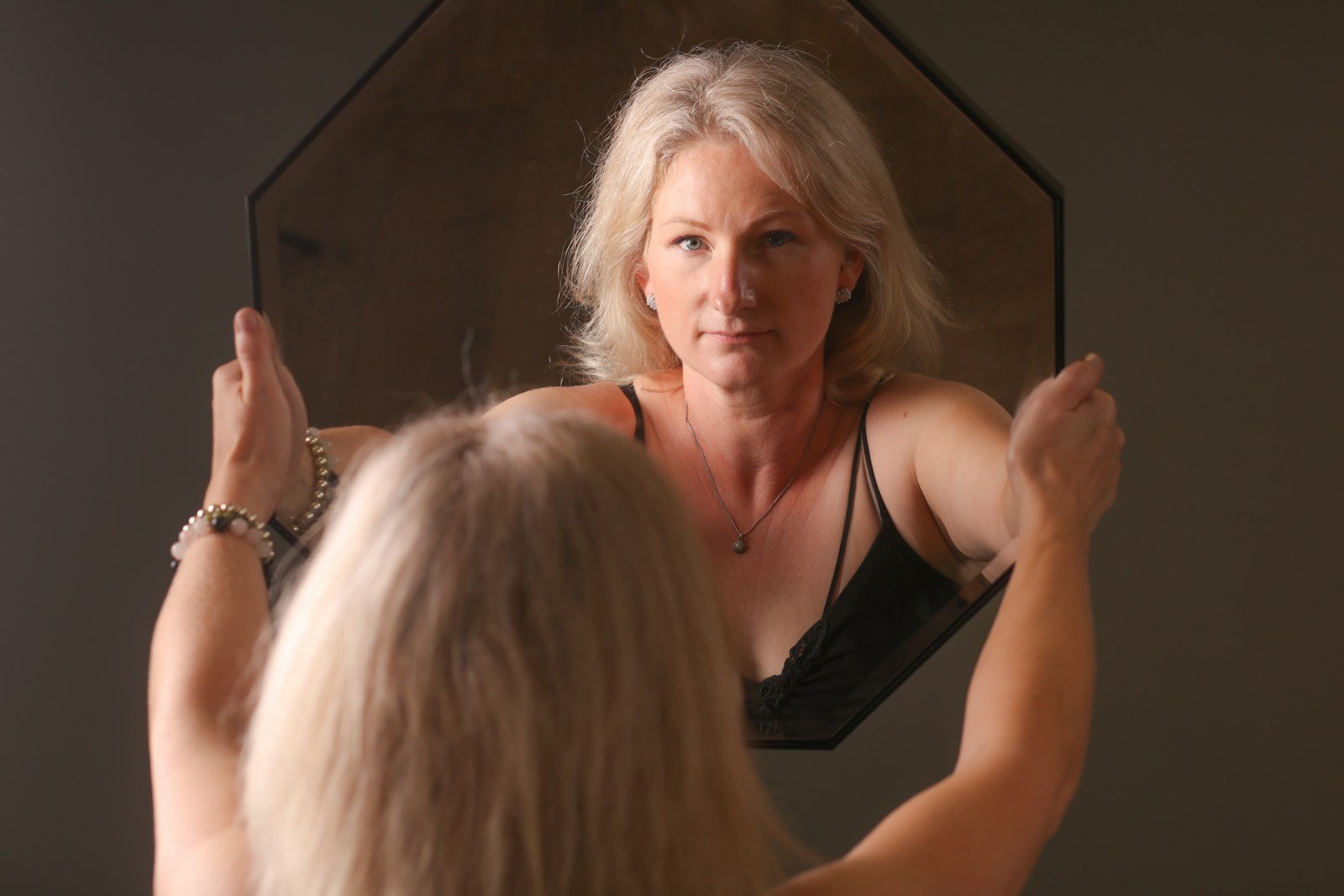
Finding more hair in the brush a few months into a GLP-1 is scary, but here’s the reassuring part: it’s almost always temporary. This is telogen effluvium, a kind of shedding triggered by rapid weight loss and low nutrition, not damage to your follicles. Your hair isn’t gone for good. The fixes are nutritional: get enough protein, lose weight at a steadier pace, and cover key nutrients like iron and zinc. Most people see regrowth as their body settles.
Below is why it happens, when it tends to start, what actually supports regrowth, and the timeline for getting your hair back.
What's in this guide
Why GLP-1s trigger shedding • Is it permanent • How to support regrowth • The timeline • When to see a doctor • FAQ
Why GLP-1s can trigger hair shedding
The hair loss isn’t really about the drug itself. It’s about how fast the weight comes off. Rapid weight loss and the calorie and nutrient gaps that come with it stress the body, which pushes more hair follicles into their resting, shedding phase. That’s telogen effluvium. As CNN has reported, it’s the same shedding people see after childbirth, surgery, or any big physical stressor.
Protein matters here more than almost anything. Hair is made of keratin, a protein, and when you’re under-eating, your body protects vital organs first and hair growth last. Healthline points to adequate protein and a steadier pace of weight loss as the core of prevention.
Is GLP-1 hair loss permanent?
No, and this is the part to hold onto. Telogen effluvium is temporary. The follicles aren’t damaged, so once your weight stabilizes and any nutrient gaps are filled, hair grows back. Most people see full recovery within roughly 12 to 18 months of the peak shedding. The shedding you see now is often hair that was pushed into its resting phase months ago.
How to support regrowth
You can’t fully prevent shedding during fast weight loss, but you can soften it and speed recovery. The basics:
| Lever | What to aim for |
|---|---|
| Protein | Hit your daily target every day; this is the big one |
| Pace of weight loss | Steadier is gentler on hair than crash loss |
| Iron | Ask your provider to check ferritin; low iron worsens shedding |
| Zinc and B12 | Cover them through food or a multivitamin |
| Be gentle | Go easy on heat, tight styles, and harsh brushing |
Protein is the lever you control most. If you’re not sure you’re hitting enough, our guide to how much protein you need and free calculator make it concrete, and our high-protein snacks help you close the gap on low-appetite days.
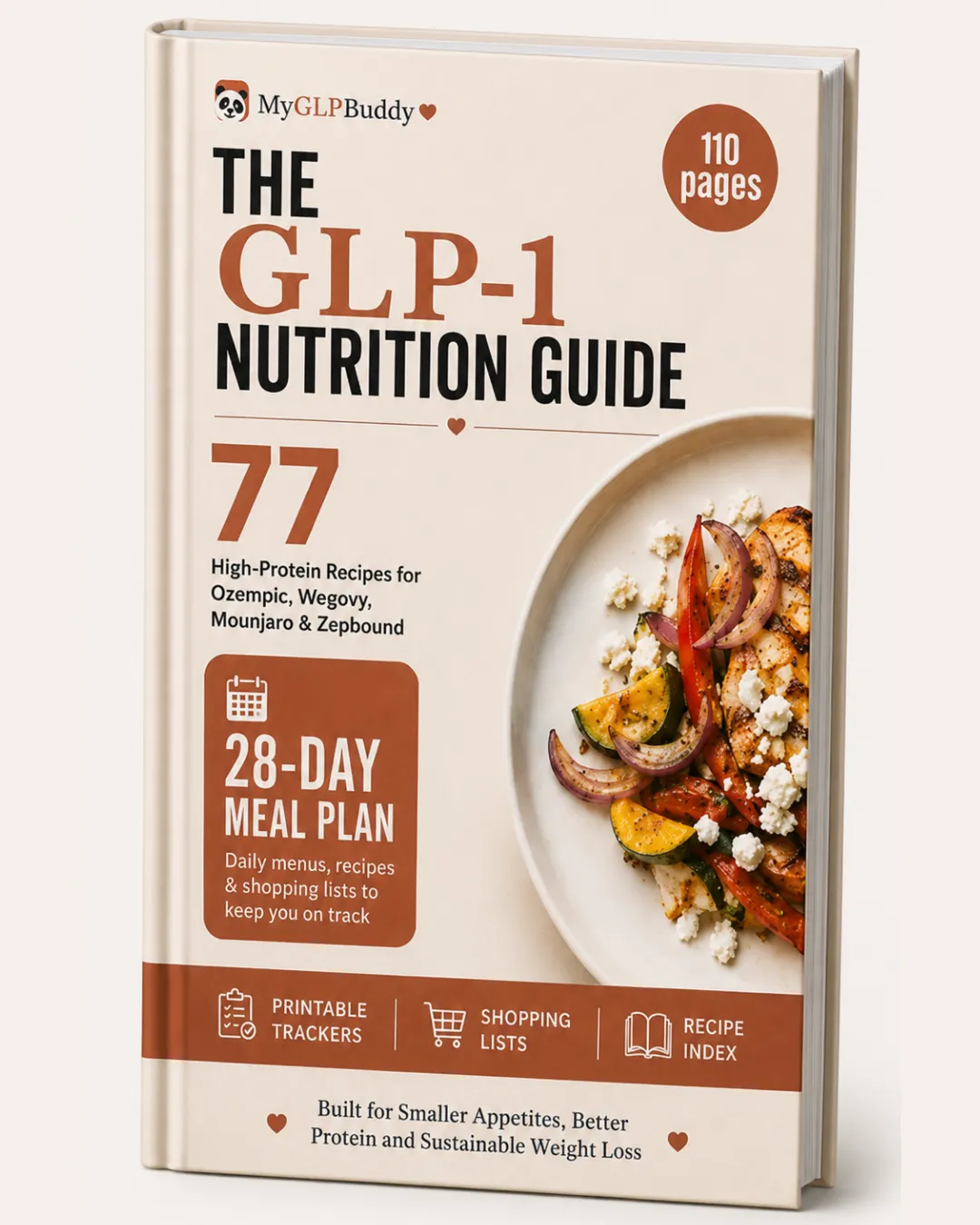
Protect your hair with protein-first eating
The GLP-1 Nutrition Guide makes hitting your protein simple, with meals, snacks, and a grocery list designed for low appetite, so your hair and muscle get what they need.
What telogen effluvium actually is
The hair loss people see on a GLP-1 almost always has a name: telogen effluvium. Your hair grows in cycles, and at any time most of it is actively growing while a smaller share is resting and shedding. A physical stressor, like rapid weight loss or a sudden drop in nutrition, can push a larger-than-normal share of hairs into that resting, shedding phase all at once.
That is why the shedding can look alarming even though your follicles are not damaged. It is the same temporary loss people see after childbirth, surgery, or a major illness. Crucially, the hairs are not gone for good, they have simply been nudged into an early rest, and they regrow once your body settles.
The nutrients that matter most for your hair
Hair is built from protein and supported by a handful of key nutrients, and a GLP-1 can leave you short on several at once if you are eating much less. Protein is the headline: hair is made of keratin, a protein, so falling short directly affects growth. But it is not the only one.
Iron is a big one, since low iron, even before full anemia, is a well-known driver of shedding, so it is worth asking your provider to check your ferritin. Zinc, vitamin D, vitamin B12, and overall calories all play a role too. When you are eating a fraction of what you used to, gaps open up quietly, and hair is one of the first places the body cuts back.
How much protein you need to protect your hair
Because hair is literally made of protein, hitting your daily target is one of the most important things you can do to support it. Aim for roughly 0.5 to 0.7 grams of protein per pound of body weight each day, often 80 to 110 grams, spread across your meals.
On a small appetite that takes intention, which is exactly why protein-first eating matters so much on a GLP-1. Our protein guide helps you set your number, and our high-protein foods guide gives you the easiest ways to reach it without forcing big meals.
Supplements: what helps and what is hype
It is tempting to reach for a hair-growth supplement, but the honest picture is more nuanced. Supplements mainly help when you are actually deficient in something. If your iron, zinc, vitamin D, or B12 are low, correcting them genuinely supports regrowth, which is why testing first is smarter than guessing.
Biotin gets a lot of attention, but it only helps the rare person who is truly deficient, and very high doses can interfere with some lab tests. There is no magic pill that overrides rapid weight loss. The real foundation is enough protein, enough total food, and filling any genuine nutrient gaps your provider identifies. Always run iron supplements in particular past your provider, since they should be guided by bloodwork.
When the shedding peaks
One of the most confusing things about this kind of hair loss is the delay. The shedding you notice today was usually set in motion two to four months earlier, by the stress of starting the medication and the early drop in eating. So you can be feeling much better and eating well, and only then see the hair start to fall.
For most people the shedding peaks somewhere around three to four months in and then tapers off. New growth follows, though it can take time to become visible. Knowing the timeline helps: the shedding you see now reflects the past, not what is happening today, and the steps you take now pay off in the months ahead.
Gentle hair care while you are shedding
You cannot stop telogen effluvium with shampoo, but you can avoid adding extra stress to hair that is already fragile. Be gentle: go easy on tight ponytails and buns, heat styling, harsh brushing, and aggressive chemical treatments while you are shedding.
Use a wide-tooth comb on wet hair, pat rather than rub it dry, and choose looser styles. None of this changes the underlying cycle, but it prevents breakage on top of the shedding and keeps the hair you do have looking fuller while you wait for regrowth.
Will it grow back, and the emotional side
Yes, in almost all cases it grows back. Because the follicles are not damaged, hair regrows once your weight stabilizes and your nutrition catches up, with most people seeing meaningful recovery within roughly 12 to 18 months of the peak shedding. Protecting your protein and a steadier pace of weight loss both help.
It is also worth naming that hair loss can be genuinely distressing, even when it is temporary, and that is a valid thing to feel. Be patient and kind with yourself, focus on the things you control, protein, nutrient gaps, and pace, and lean on the same muscle-protecting habits in our muscle loss guide, since they protect your hair for the very same reasons. If the shedding is severe, patchy, or not improving, a dermatologist can check for other causes.
One reader panicked at month three when her ponytail got thinner. She doubled down on protein and got her iron checked. By month nine she had a full fringe of baby hairs growing back in.
When to see a doctor
Most GLP-1 shedding is the temporary kind. But see your provider or a dermatologist if you have patchy or bald spots rather than even thinning, the shedding keeps getting worse past 6 months, or it comes with other symptoms like fatigue or brittle nails. They can check your iron, thyroid, and other levels, since those are common, fixable causes that have nothing to do with the medication.
A note: this article is educational and not medical advice. Talk to your doctor before starting supplements, especially iron, which should be guided by bloodwork.
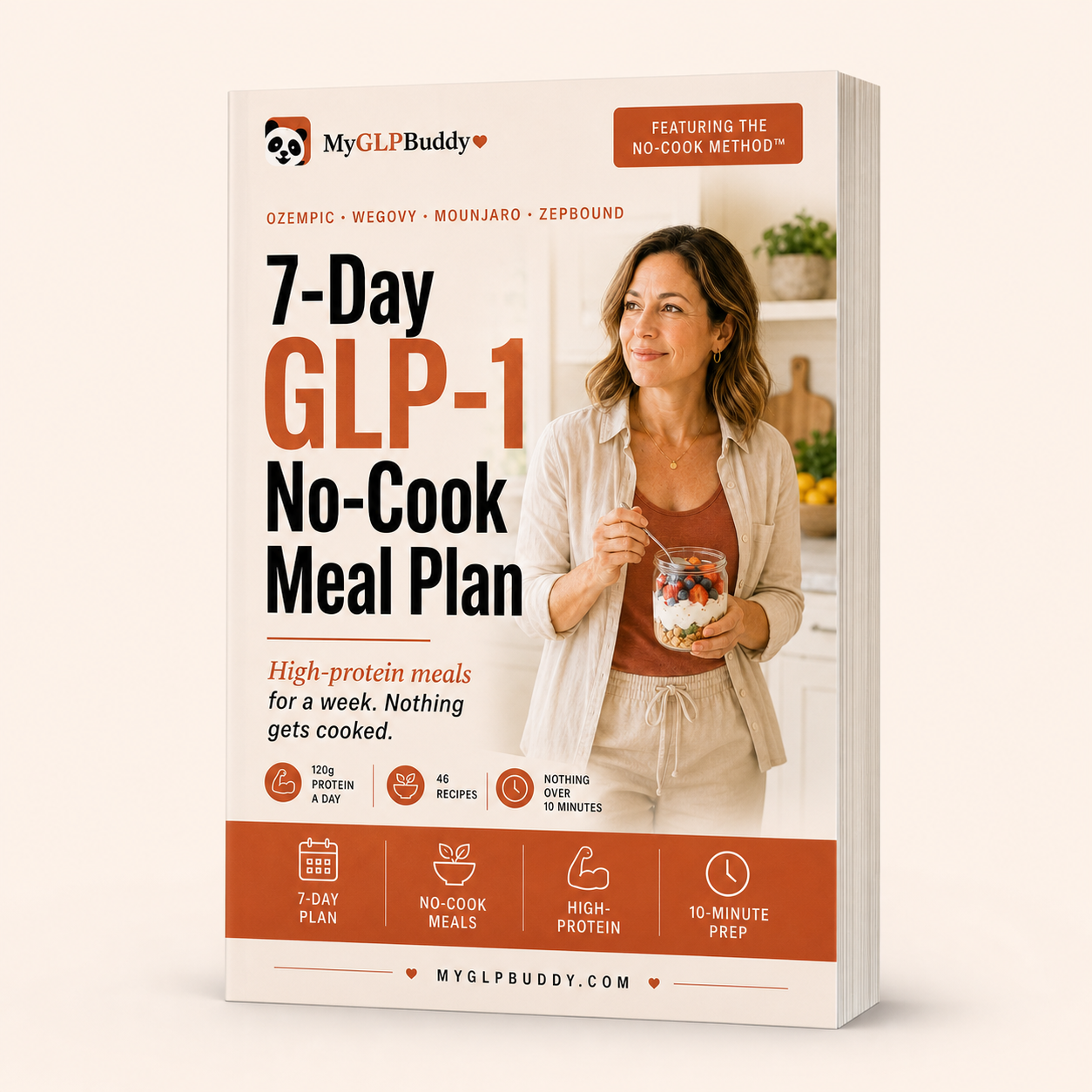
Need a GLP-1 week without cooking?
The 7-Day GLP-1 No-Cook Meal Plan gives you high-protein meals, a grocery list, protein counts and low-appetite swaps for the weeks cooking feels impossible.
Frequently asked questions
It can, indirectly. The shedding is usually telogen effluvium triggered by rapid weight loss and low nutrition, not damage from the drug itself.
No. The follicles are not damaged. Once your weight stabilizes and nutrition improves, hair typically grows back, often within 12 to 18 months of peak shedding.
Hit your protein target daily, aim for steadier weight loss, get iron and other key nutrients checked, and be gentle with your hair.
Yes. Hair is made of protein, so getting enough each day is one of the most important things you can do to support regrowth.
If you have patchy or bald spots, shedding that worsens past 6 months, or other symptoms, see your provider to check iron, thyroid, and other causes.
GB
The My GLP Buddy Team
Medically reviewed by Dr. Matt K, MD. We write plain-language, protein-first guidance for people navigating GLP-1 medications, reviewed by a physician for accuracy. Support for the day-to-day, not a replacement for your own care team.

Free download
Get the free GLP-1 grocery list
Protein-first meals and snacks, plus gentle weekly tips for eating well on your medication. No spam.