Recipes & meal ideas
GLP-1 Smoothies & Shakes: How to Build a High-Protein One
By The My GLP Buddy Team · Medically reviewed by Dr. Matt K, MD · Updated June 2026
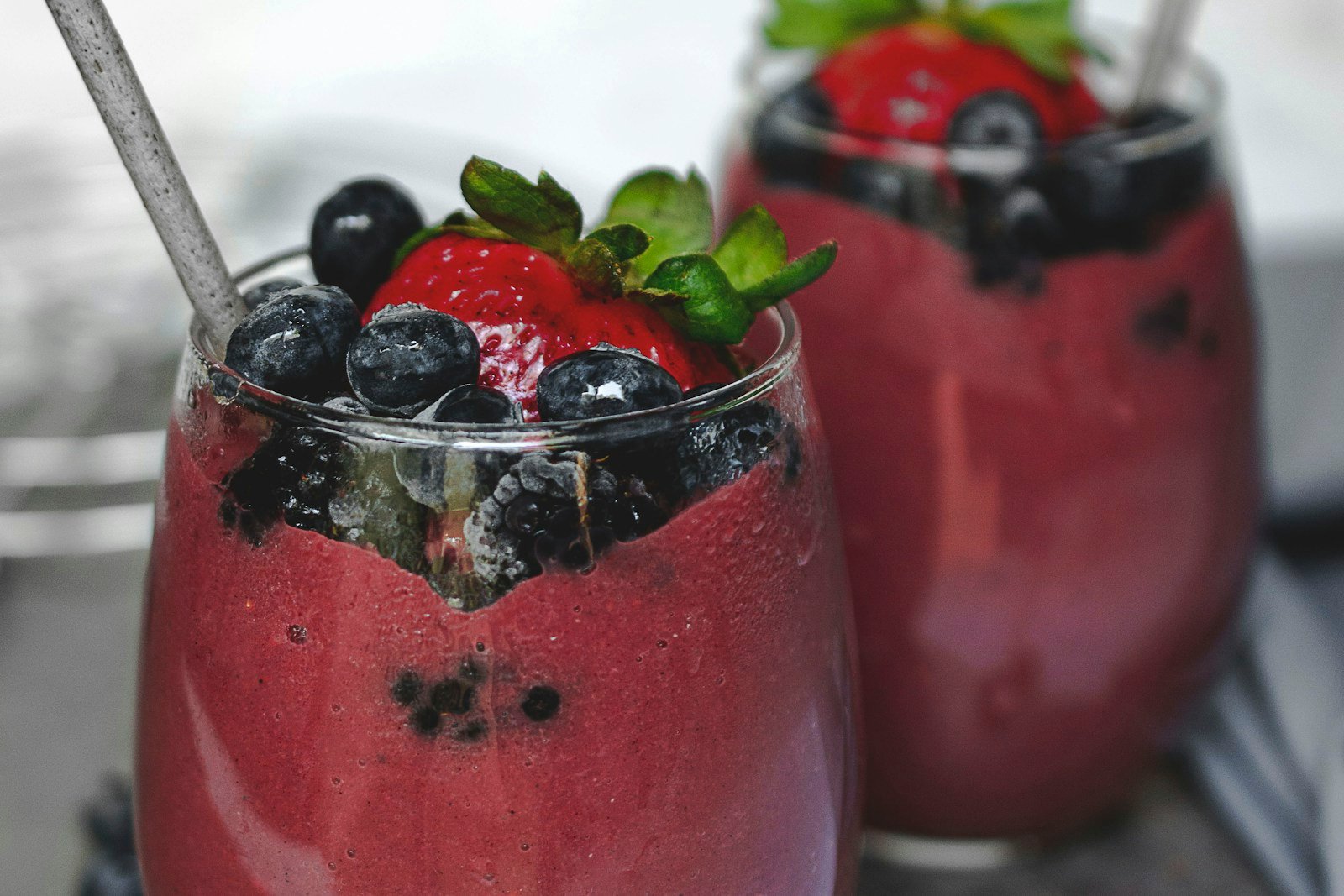
When solid food feels like too much on a GLP-1, a smoothie is the easiest way to get real protein in. A good one packs 25 to 35 grams into something cold and sippable, with fiber to help with constipation and nutrients you might be missing on fewer calories. The formula is simple: a liquid, a protein, a little fruit, and an optional booster. Skip the giant sugary store versions and build a smaller, protein-first one at home.
Below is the build-your-own formula, four easy recipes, and a few tips so your smoothie sits well on a slowed stomach.
What's in this guide
Why smoothies work • The build-your-own formula • 4 easy recipes • Tips so it sits well • FAQ
Why smoothies work so well on a GLP-1
A cold drink is often more appealing than a hot plate when your appetite is low or you’re queasy. Smoothies let you hit your protein without feeling stuffed, and you can blend in fiber to ease constipation and sneak in nutrients you’re likely short on. UCHealth notes that under-eating, especially protein, is common on these medications, and a shake is one of the simplest fixes.
One honest caveat: don’t supersize it. A huge smoothie can sit heavy on a slowed stomach. Keep it to about 12 to 16 ounces and sip slowly.
The build-your-own formula
Pick one from each row and blend. Aim for 25 to 35 grams of protein total.
| Layer | Pick one or two |
|---|---|
| Liquid (1 cup) | Milk, unsweetened almond or soy milk, or water |
| Protein (20-30g) | Protein powder, Greek yogurt, or cottage cheese |
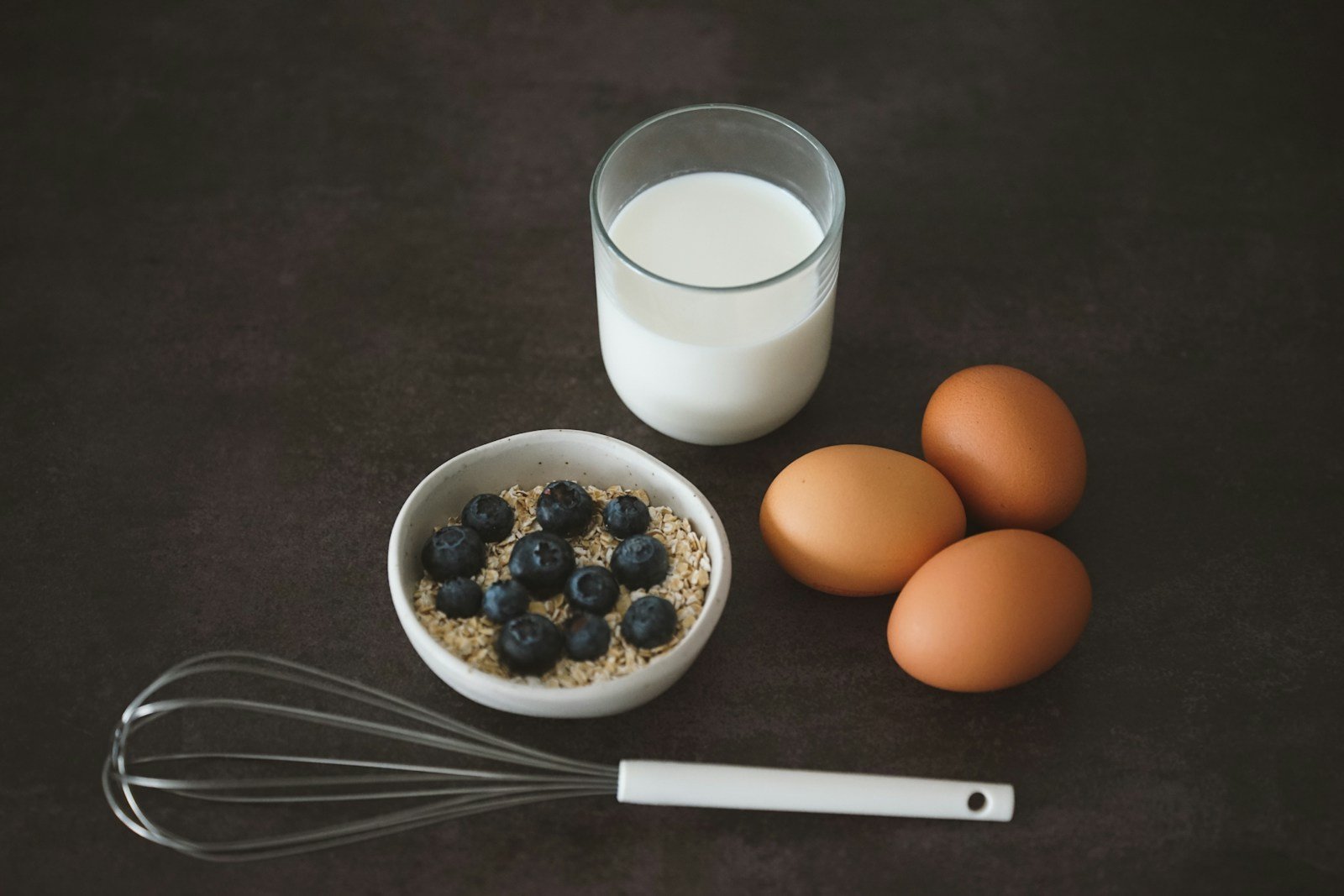
| Fruit (1/2 cup) | Berries (lower sugar), banana, or mango |
| Booster (optional) | Spinach, chia, hemp hearts, or a spoon of nut butter |
Cottage cheese is the underrated one here. It blends totally smooth, adds slow-digesting protein, and makes the whole thing creamy. Berries beat sweeter fruit because they’re lower in sugar and higher in fiber.
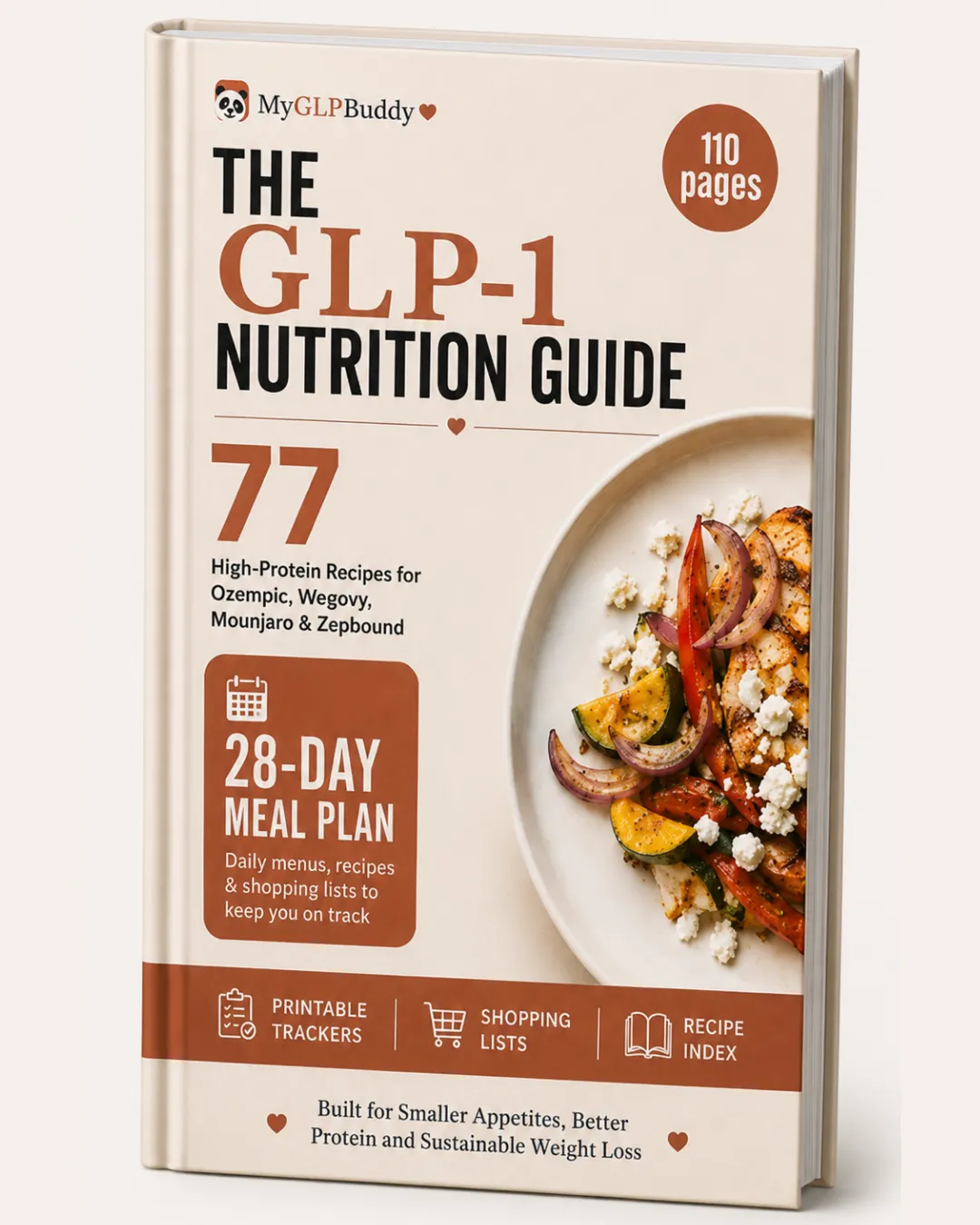
More than smoothies
The GLP-1 Nutrition Guide pairs easy shakes with protein-first meals and a grocery list, so the days you can’t face a plate are already handled.
4 easy high-protein smoothies
Each lands around 25 to 30 grams of protein in a 12 to 16 ounce glass.
1. Berry yogurt (~28g). Blend Greek yogurt, mixed berries, milk, and a touch of honey. Creamy, lower in sugar, and a great everyday default.
2. Creamy cottage cheese (~25g). Cottage cheese, half a banana, milk, and a little cinnamon. It blends totally smooth and adds slow-digesting protein that holds you longer.
3. Green protein (~25g). Protein powder, a handful of spinach, berries, and a spoon of almond butter. You won’t taste the greens, but you’ll get the fiber.
4. Chocolate peanut butter (~30g). Protein powder, cocoa, peanut butter, and milk. Tastes like a treat, drinks like a meal, and lands the most protein of the four.
Want grab-and-go options for the in-between hours too? Our high-protein snacks pair well with a smoothie habit.
Tips so your smoothie sits well
A few small things keep a smoothie gentle on a GLP-1 stomach:
- Keep it small. 12 to 16 ounces, not a giant 32-ounce cup.
- Sip slowly. Gulping a big cold drink can bloat you.
- Go easy on fruit. Too much adds sugar and can stir up queasiness.
- Add protein, not just fruit. A fruit-only smoothie is mostly sugar and won’t hold you.
- Blend in fiber like chia or spinach if constipation is an issue.
Not sure how much protein you’re aiming for each day? The free calculator sorts it in seconds.
Choosing your protein base
The base is what turns a fruit drink into a real meal, so it is worth getting right. You have three good options, and each has a slightly different feel. Protein powder is the most flexible and the highest protein per scoop, usually 20 to 30 grams, and unflavored or vanilla blends into anything.
Greek yogurt adds about 17 grams plus a creamy tang and some gut-friendly cultures. Cottage cheese is the underrated one: it blends completely smooth, adds slow-digesting protein that holds you longer, and gives the thickest, milkshake-like texture of the three. You can even combine two, like yogurt plus a half scoop of powder, to hit your number without a giant glass.
Boosters and add-ins, and what each one does
A few small add-ins quietly upgrade a smoothie. A handful of spinach disappears into the flavor but adds vitamins and fiber. A tablespoon of chia or ground flax adds fiber that helps with constipation and thickens the blend. A spoon of nut butter or some hemp hearts add healthy fats and a little extra protein for staying power.
Cocoa powder, cinnamon, or a few frozen berries add flavor without much sugar. The goal is to build a smoothie that does more than one job, protein plus fiber plus a little fat, so it actually keeps you full instead of spiking and fading. Our high-protein foods guide has more on the protein side.
Smoothies for nausea, energy, or constipation
One of the best things about a smoothie is that you can tailor it to how you feel. On a queasy day, keep it simple and cold: yogurt, a little banana, and ginger, with no strong smells. The cold and the ginger both help settle your stomach, as our nausea guide explains.
When your energy is low, pair protein with a little real carbohydrate, like oats or banana, for steadier fuel, and add a pinch of salt or an electrolyte scoop if you have been under-eating, which our fatigue guide covers. And if things have backed up, load in fiber, chia, flax, spinach, and berries, to gently get things moving, alongside the fixes in our constipation guide.
How to get a thick, satisfying texture
A thin, watery smoothie disappears in two sips and leaves you unsatisfied. Thickness is what makes it feel like a meal. The easiest fix is to use frozen fruit instead of fresh, which chills and thickens without watering it down the way ice can.
Cottage cheese or Greek yogurt builds body, a spoon of chia or oats thickens as it sits, and using just enough liquid to blend, rather than filling the cup, keeps it spoonably thick. Blend the greens and liquid first, then add the frozen and thickening ingredients, for the smoothest result.
Keep the sugar down
It is easy for a smoothie to quietly become a dessert. Two bananas, juice, honey, and sweetened yogurt add up fast, and a big sugar load can spike then crash your energy and stir up queasiness on a slowed stomach.
Lean on lower-sugar fruit like berries, use half a banana instead of a whole one, choose plain yogurt and unsweetened milk, and skip fruit juice entirely. Let the protein and a little fruit do the work. A protein-forward smoothie keeps you full and steady; a sugar-forward one does the opposite.
Make-ahead freezer smoothie packs
You can take the effort out of busy mornings by prepping smoothie packs in advance. Portion fruit, greens, and any dry add-ins into freezer bags or jars, one per smoothie, and store them in the freezer.
When you want one, tip a pack into the blender, add your liquid and protein, and blend. It takes under a minute and removes every excuse on a low-energy day. Make five on a Sunday and breakfast or a between-meal protein hit is handled all week. For the roughest days, our guide to eating with no appetite leans heavily on exactly this.
Common smoothie mistakes to avoid
A few easy missteps turn a great tool into a letdown. The biggest is making it fruit-only, which is mostly sugar and will not hold you. Close behind is supersizing it: a 32-ounce smoothie sits heavy on a slowed stomach, so keep it to 12 to 16 ounces and sip slowly.
Other common ones: forgetting the protein entirely, using sweetened yogurt and juice that load it with sugar, and gulping a big cold drink fast, which can bloat you. Fix those and the humble smoothie becomes one of the most reliable ways to hit your protein on a GLP-1.
When a smoothie should, and should not, replace a meal
A well-built smoothie, with 25 to 35 grams of protein, some fiber, and a little fat, absolutely can stand in for a meal, and on a low-appetite day it is often the easiest way to eat at all. It is genuinely useful as a breakfast or lunch when chewing feels like too much.
That said, you do not want every meal to be liquid. On the days your appetite allows, mix in some solid, protein-first food too, so you are not relying on smoothies for everything. Use them as your reliable backup for the hard days and a quick protein boost on the busy ones, and they will earn their place in your routine.
One reader kept a cottage cheese and berry smoothie on repeat for the mornings she felt too queasy to chew. It became her no-fail 25 grams of protein before the day even started.
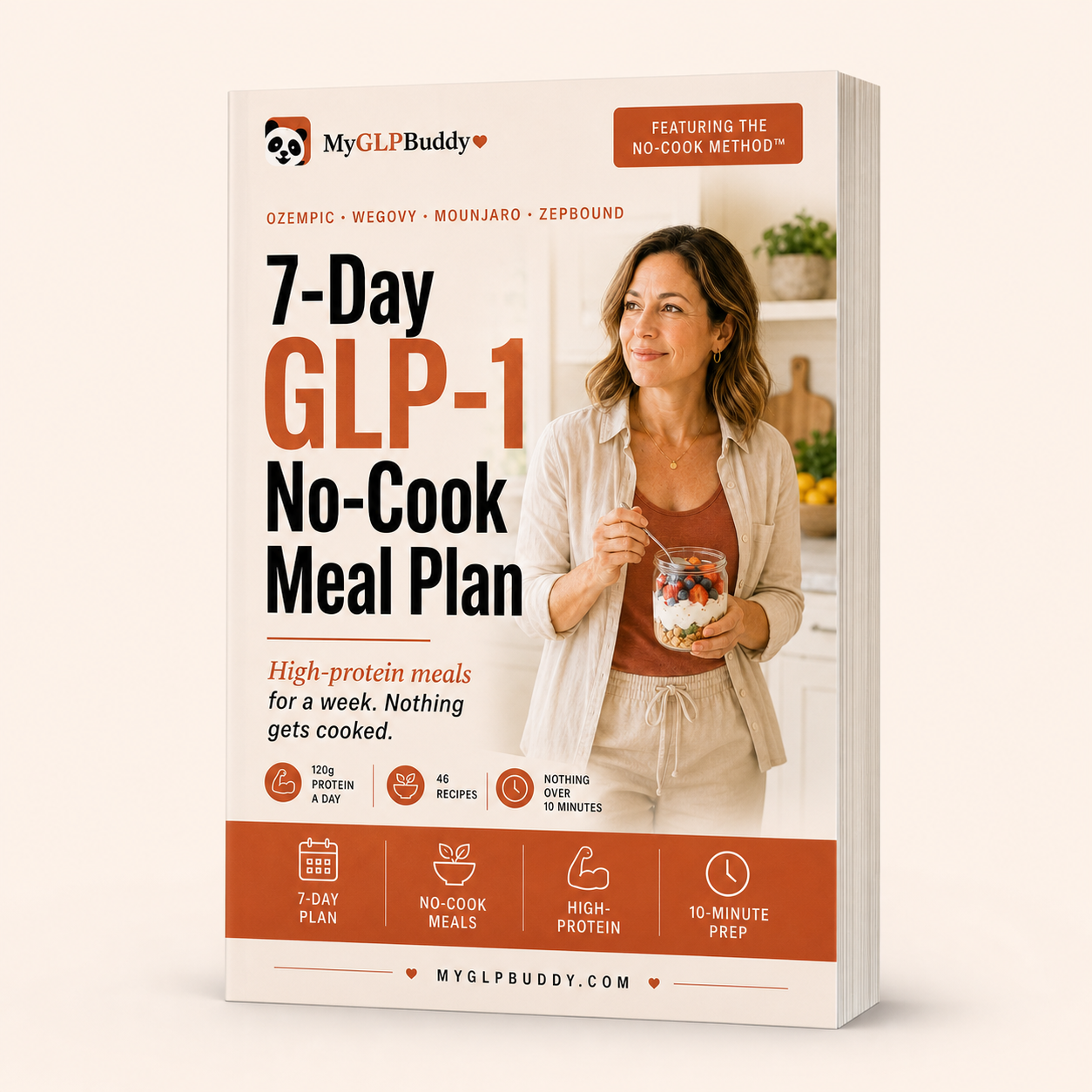
Need a GLP-1 week without cooking?
The 7-Day GLP-1 No-Cook Meal Plan gives you high-protein meals, a grocery list, protein counts and low-appetite swaps for the weeks cooking feels impossible.
Frequently asked questions
Yes. They are an easy way to get protein when solid food feels like too much. Keep them protein-first and a modest size, around 12 to 16 ounces.
Aim for 25 to 35 grams. Use protein powder, Greek yogurt, or cottage cheese as the base, not just fruit.
A liquid, a protein source, a little low-sugar fruit like berries, and an optional booster like spinach, chia, hemp hearts, or nut butter.
It can on low-appetite days, as long as it has enough protein. On better days, pair it with a small solid snack or meal.
Many are large and high in sugar with little protein. A smaller, homemade, protein-first smoothie is usually the better choice.
GB
The My GLP Buddy Team
Medically reviewed by Dr. Matt K, MD. We write plain-language, protein-first guidance for people navigating GLP-1 medications, reviewed by a physician for accuracy. Support for the day-to-day, not a replacement for your own care team.
Free download
Get the free GLP-1 grocery list
Protein-first meals, snacks, and smoothies, plus gentle weekly tips for eating well on your medication. No spam.