Protein
How Much Protein Do You Need on a GLP-1? Simple Daily Targets
By The My GLP Buddy Team · Medically reviewed by Dr. Matt K, MD · Updated June 2026
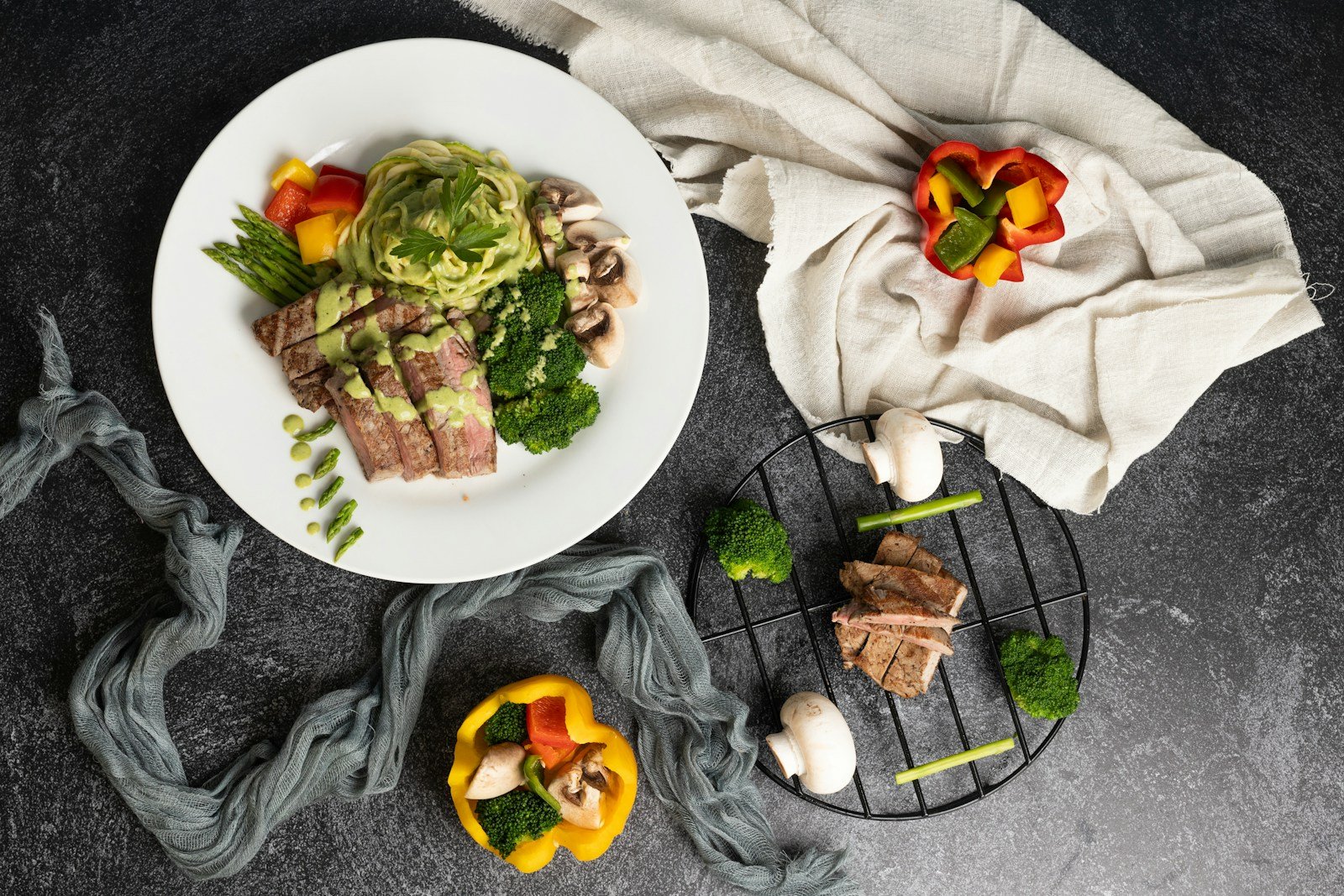
The short version: aim for about 0.5 to 0.7 grams of protein per pound of body weight each day while you’re on a GLP-1. For a lot of women that lands between 80 and 110 grams a day. Spread it across 3 to 4 meals and snacks, roughly 20 to 30 grams at a time, so your body can actually use it. That’s the whole game. Enough protein, spread out, every day.
Below is how that number is set, a quick chart for your weight, how much per meal, and how to hit it without force-feeding yourself on days your appetite has left the building.
What's in this guide
Why protein is the one to get right • Your daily number • How much per meal • How to actually hit it • Signs you are coming up short • FAQ
Why protein is the one thing to get right
GLP-1 medications slow how fast your stomach empties and turn the volume down on hunger. Great for eating less. Risky for eating too little, especially protein. When intake drops, your body can start pulling from muscle, not just fat. UCHealth has flagged that many people on these medications simply aren’t eating enough nourishing food, and protein is usually the first thing to slip.
Protein is what protects your lean muscle while the weight comes off. Get this one number right and a lot of other things get easier.
How much protein per day? Find your number
Most guidance lands around 1.2 to 1.6 grams of protein per kilogram of body weight while you’re losing weight, which works out to roughly 0.5 to 0.7 grams per pound. A simple middle-of-the-road target is about 0.6 grams per pound. Here’s what that looks like:
| Body weight | Daily protein target |
|---|---|
| 140 lbs | ~85 grams |
| 160 lbs | ~95 grams |
| 180 lbs | ~108 grams |
| 200 lbs | ~120 grams |
Want your exact number instead of a range? Our free GLP-1 protein calculator sets your daily target in about ten seconds.
How much protein per meal?
Your body can only use so much protein at once, so spreading it out beats one giant steak at dinner. Aim for 20 to 40 grams per meal across 3 to 4 meals and snacks. A 2025 international consensus on GLP-1 nutrition makes the same point: distribute protein through the day rather than loading it into one sitting.
On a slowed stomach, that smaller-and-steadier approach is also just easier to keep down.
Get your exact protein target, free
Plug in your weight and our GLP-1 protein calculator gives you a personalized daily number plus a simple plan to hit it. No sign-up to see your result.
How to actually hit it without force-feeding
The target is the easy part. Hitting it on a low-appetite day is the real work. A few things that help:
- Protein first at every meal. If only a few bites go down, make them the protein.
- Front-load early. Appetite often fades as the day goes on, so bank protein at breakfast.
- Lean on easy proteins: Greek yogurt, eggs, cottage cheese, chicken, and shakes.
- Use a snack or two. Our high-protein snacks for GLP-1 are built for exactly this.
- Let shakes count. On the roughest days, a ready-to-drink shake beats missing your target entirely.
Here’s our honest take: hitting protein matters more than hitting a calorie number. If you only track one thing, track protein. For the full picture, see our guide to protein on GLP-1 and what to eat on Ozempic.
Why protein matters so much on a GLP-1
Protein is not just another macro to track, it is the single most important thing to get right while you lose weight on a GLP-1. When the weight comes off fast on little food, some of that loss can come from muscle, not just fat, and enough protein is what tips the balance back toward fat.
Protecting muscle keeps your metabolism up, your strength intact, and your shape fuller, and it makes the weight easier to keep off later. Protein also supports your hair, which is built from it, and it is the most filling of the three macronutrients, so it helps you feel satisfied on smaller portions. Our muscle loss guide and hair loss guide both come back to this same number.
How to actually count your protein
Hitting a target is easier when you can roughly track it, and you do not need to weigh every gram. A few anchor numbers cover most meals: a palm-sized piece of chicken, fish, or lean meat is about 25 grams, a cup of Greek yogurt or cottage cheese is around 20, two eggs are 12, and a scoop of protein powder is 20 to 30.
Read the label on packaged foods, where protein is listed per serving, and keep a loose tally in your head or a notes app for a week or two until you learn your own patterns. You will quickly see where your protein comes from and where the gaps are, which is more useful than tracking forever. Our free calculator gives you the daily target to count toward.
Protein quality: complete versus incomplete
Not all protein is identical. Complete proteins contain all the essential amino acids your body needs, and they come mostly from animal sources, meat, fish, eggs, and dairy, plus soy and quinoa on the plant side. These are the most efficient at protecting muscle.
Most other plant proteins, like beans, lentils, and grains, are missing one or more amino acids on their own, but they complement each other, so eating a variety across the day covers your bases. You do not need to obsess over this. Lean on complete proteins where you can, mix your plant sources, and the quality takes care of itself.
A sample day that hits your target
It helps to see how the grams add up across a real, small-appetite day. Breakfast might be Greek yogurt with a half scoop of protein powder for about 29 grams. A mid-morning string cheese and a few almonds add 12. Lunch of a tuna pouch over salad is around 25.
An afternoon protein shake adds 25, and a light dinner of salmon with vegetables brings 25 more. That stacks to well over 100 grams without a single large meal, just small, protein-first choices spread through the day. Built this way, even a tiny appetite can comfortably reach the target.
Protein for vegetarians and vegans
Hitting your protein without meat takes a little more intention, but it is entirely doable on a GLP-1. The densest plant proteins are your friends: tofu, tempeh, edamame, lentils, beans, and seitan, plus Greek-style and high-protein dairy or soy yogurts if you eat them.
A plant-based protein powder is one of the easiest ways to close the gap, especially on a low-appetite day. Because plant proteins tend to be a bit less dense and come with more fiber, spreading them across several small meals and snacks helps you reach your number without feeling overly full. Our high-protein foods guide ranks the best plant options.
Can you eat too much protein?
For most healthy people, going a little over your protein target is not a problem, and on a GLP-1 the far more common issue is not getting enough. Your body uses what it needs and is generally fine with the rest, so you do not need to fear a slightly higher intake.
That said, more is not endlessly better. Very high protein intakes are not necessary, can crowd out other nutrients and fiber, and may be hard on a small appetite. Aim for your target, prioritize it over other foods when your appetite is limited, and do not feel you have to force protein far beyond what the calculator suggests.
Protein and your kidneys: the common worry
A frequent question is whether a higher-protein diet is hard on the kidneys. For people with healthy kidneys, the evidence does not support that worry at the intakes recommended here. Eating enough protein to protect your muscle is considered safe for most people.
The important exception is anyone with existing kidney disease or certain other conditions, where protein does need to be managed and individualized. If that is you, or you are unsure, talk to your provider or a registered dietitian before raising your protein. For everyone else, the bigger risk by far is eating too little, not too much.
Make hitting your protein automatic
Knowing your number is the easy part. Hitting it every day on a quiet appetite is the skill, and the way to win is to make it a system rather than a daily decision. Eat protein first at every meal, front-load it earlier in the day when your appetite is strongest, and keep dense, ready proteins always stocked.
Lean on a shake when chewing is hard, and pair protein with a little fiber to stay full. Do those few things on repeat and you stop having to think about protein at all, which is exactly when it becomes sustainable. Consistency, not perfection, is what protects your muscle, energy, and results over the long run.
One reader stopped counting calories entirely and just chased 90 grams of protein a day. Within a few weeks she felt steadier, stronger, and far less obsessed with food. One number, not five.
Signs you might be coming up short
Worth a check-in with your provider or a registered dietitian if you notice ongoing fatigue, more hair shedding than usual, muscle weakness, or weight dropping very fast. These can be signs of under-eating protein, and a dietitian can adjust your plan and rule anything else out.
A note: this article is educational and not medical advice. Talk to your doctor, pharmacist, or registered dietitian before making changes to your nutrition or medication.
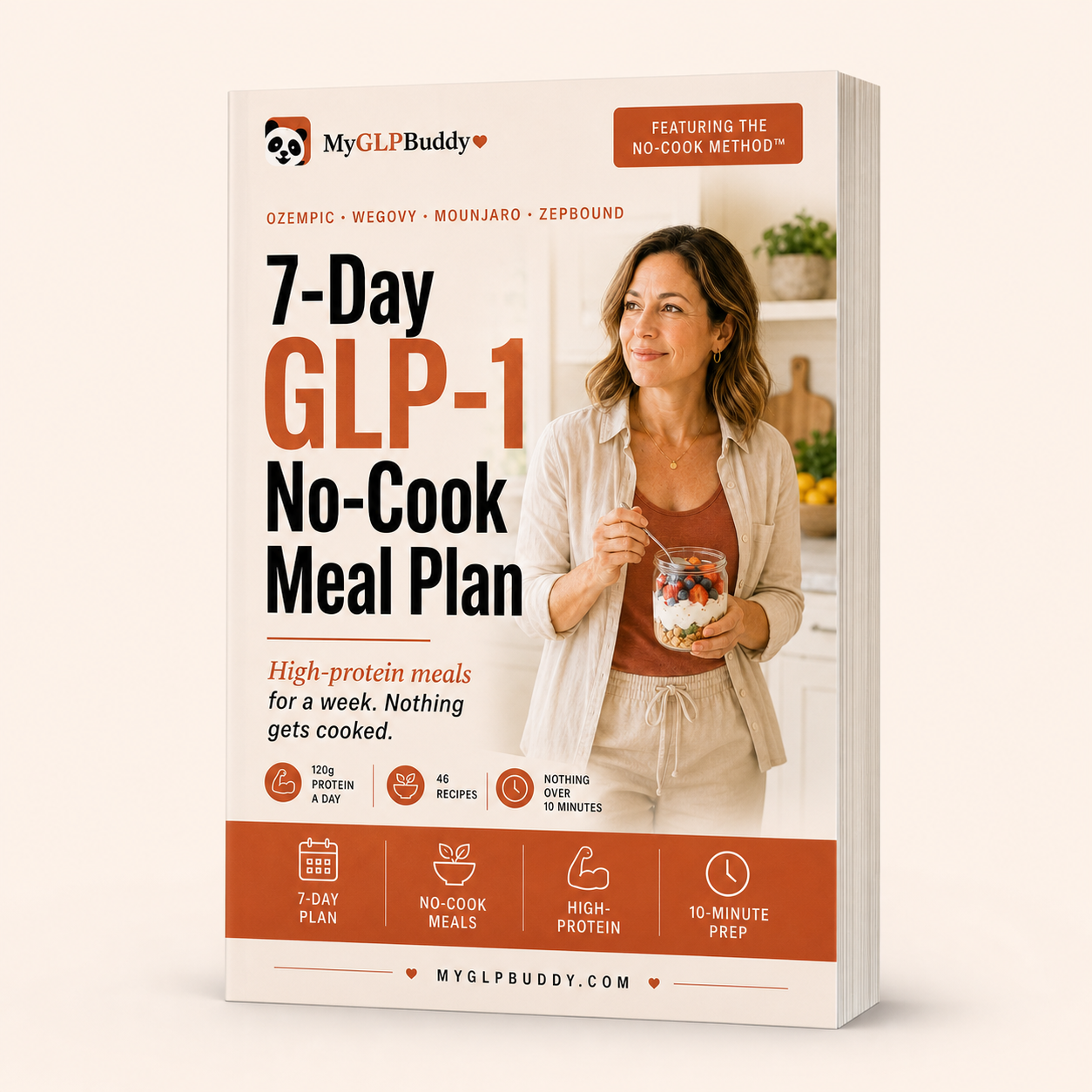
Need a GLP-1 week without cooking?
The 7-Day GLP-1 No-Cook Meal Plan gives you high-protein meals, a grocery list, protein counts and low-appetite swaps for the weeks cooking feels impossible.
Frequently asked questions
About 0.5 to 0.7 grams per pound of body weight, often 80 to 110 grams a day. Use a calculator or a dietitian for your exact number.
Aim for 20 to 40 grams per meal across 3 to 4 meals and snacks, since your body uses protein best when it is spread out.
For most healthy people, slightly over target is fine. Very high intakes are not needed and can crowd out other nutrients. Check with your provider if you have kidney concerns.
Use protein shakes, front-load earlier in the day, and add one or two high-protein snacks. If you still cannot get close for several days, talk to a dietitian.
Yes. Adequate protein plus strength training is the main way to protect lean muscle while you lose fat.
GB
The My GLP Buddy Team
Medically reviewed by Dr. Matt K, MD. We write plain-language, protein-first guidance for people navigating GLP-1 medications, reviewed by a physician for accuracy. Support for the day-to-day, not a replacement for your own care team.
Free download
Get the free GLP-1 grocery list
Protein-first meals and snacks, plus gentle weekly tips for eating well on your medication. No spam.