Eating on GLP-1
No Appetite on a GLP-1? How to Still Eat Enough and Hit Your Protein
By The My GLP Buddy Team · Medically reviewed by Dr. Matt K, MD · Updated June 2026
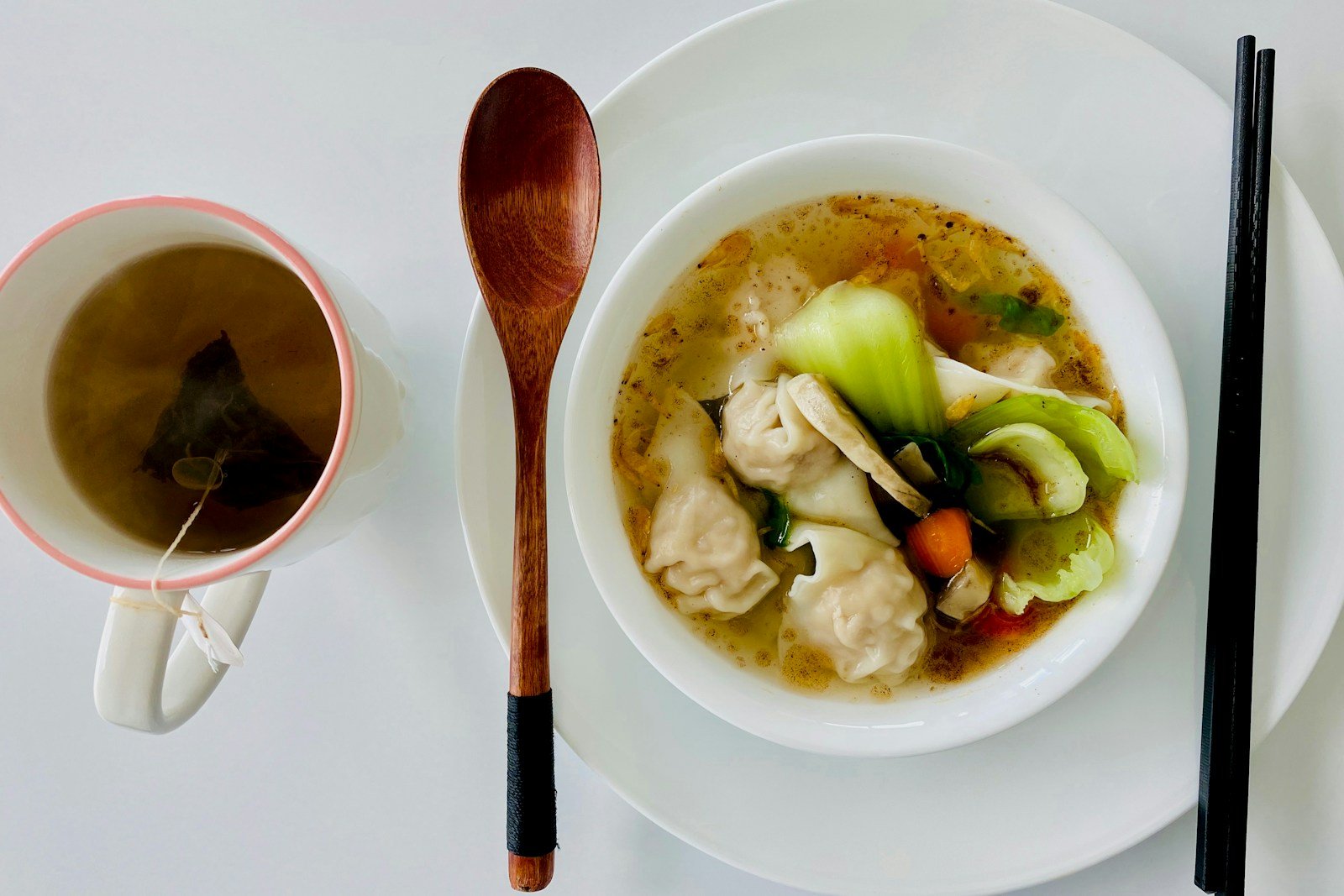
If food has lost all its appeal and you’re barely hungry on a GLP-1, you’re not doing anything wrong. Your biology shifted. That’s the medication working. The trick is to stop waiting to feel hungry and start eating by the clock, in small, protein-first bites. Lean on soft, easy foods like Greek yogurt, eggs, cottage cheese, and shakes. A few grams of protein at a time, several times a day, adds up. Most people land around 80 to 90 grams without ever feeling truly hungry.
Below is why your appetite vanished, how to eat when nothing sounds good, a realistic protein target, and the easiest foods to keep down.
What's in this guide
Why appetite disappears • How to eat when nothing sounds good • Your realistic protein target • Easiest foods to keep down • When low appetite is a problem • FAQ
Why your appetite disappears on a GLP-1
This is the medication doing exactly what it’s designed to do. GLP-1s slow how fast your stomach empties and quiet the hunger signals in your brain, so you feel full fast and stay full for hours. Helpful for eating less. Tricky when you still need real nutrition. UCHealth has flagged that a lot of people on these medications end up not eating enough nourishing food, and protein is usually the first thing to slip.
So the goal shifts. It’s no longer about eating less. It’s about making the little you do eat actually count.
How to eat when nothing sounds good
You don’t need an appetite to eat well. You need a system. These help most:
- Eat by the clock, not by hunger. Set gentle reminders and have a few bites every 3 to 4 hours.
- Protein first, always. If you fill up after five bites, make sure those bites were protein.
- Think small doses. Half a yogurt now, a few bites of chicken later. It all counts.
- Go soft and warm. Texture matters more than usual; soft foods are easier than dense or dry ones.
- Drink your protein. A shake can deliver 20 to 30 grams when chewing feels like too much.
- Keep grab-and-go stocked so a protein hit is never more than a reach away.
WebMD echoes the small, frequent, protein-forward approach. And honestly, that’s the whole game here.
Your realistic protein target
When appetite is tiny, perfect is the enemy of done. Most people do just fine around 80 to 90 grams of protein a day, and at least 60 grams helps protect your muscle while you lose weight. That’s a much friendlier goal than it sounds when you spread it across the day. Want your exact number? Our free calculator and guide to how much protein you need make it concrete.
A plan for the no-appetite days
The GLP-1 Nutrition Guide is built for tiny appetites, with soft, protein-first meals, easy shakes, and a grocery list, so you always know what to reach for when nothing sounds good.
Easiest foods to keep down when appetite is gone
Soft, cool or warm, and protein-rich. These tend to go down even on the flattest appetite days.
| Food | Protein | Why it works |
|---|---|---|
| Greek yogurt | ~17-20g | Cold, smooth, no cooking |
| Cottage cheese | ~14g | Soft and mild, add fruit |
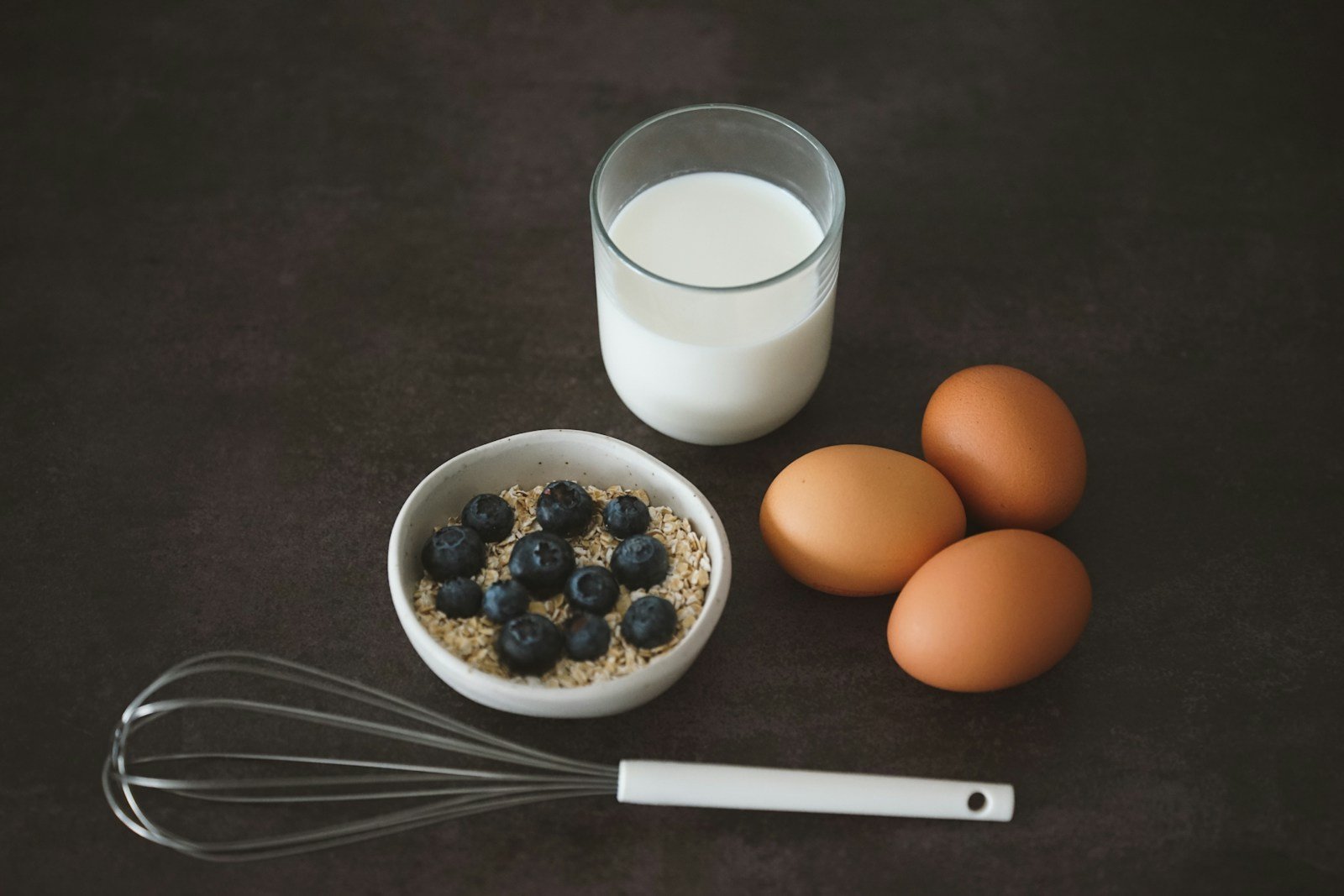
| Scrambled or soft eggs | ~12g | Warm, gentle, quick |
| Protein shake | ~20-30g | No chewing required |
| Soft chicken, fish, or tofu | ~15-20g | Lean protein without grease |
| Broth-based soup with beans | ~10-15g | Soothing, hydrating, sippable |
For more grab-and-go options, our high-protein snacks are built for exactly these days.
Eat by the clock, not by hunger
When your appetite is gone, waiting to feel hungry is a trap, because that signal may not come for hours, or at all. The single most useful shift is to stop eating by hunger and start eating by the clock. Set gentle reminders and have a few bites of something protein-rich every three to four hours, whether or not you feel like it.
It helps to think of food a little like your medication: something you take on a schedule because your body needs it, not because you are craving it. A small yogurt now, a few bites of chicken later, a shake mid-afternoon. None of it has to be a full meal. Eating little and often, on a timer, is how you get enough in on an appetite that has quietly switched off.
Drink your protein when you cannot chew
On the days even small bites feel like too much, liquid nutrition is your best friend. A cold protein shake or a blended smoothie can deliver 20 to 30 grams of protein with no chewing and very little effort, and many people find a drink far more manageable than a plate when nothing appeals.
Keep ready-to-drink shakes on hand for the worst days, and build a simple go-to smoothie you can make in a minute. Drinking your calories is not a failure or a last resort, it is a smart tool, and on a low-appetite day it is often the difference between hitting your protein and missing it entirely. Our smoothies guide has easy, protein-forward blends.
Make food appealing again
When nothing sounds good, small tweaks can make food easier to face. Temperature matters most: cold and room-temperature foods smell far less than hot ones, and smell is a big part of whether food appeals, so yogurt, smoothies, and cold cooked chicken often go down when a hot meal will not.
Texture helps too, soft and smooth foods are gentler than dense or dry ones. Keep portions small and the plate uncrowded, since a big serving can feel overwhelming when your appetite is tiny. And lean into whatever does still appeal, even if it is a bit random; a food you can actually eat beats the perfect meal you cannot. Our nausea guide has more on cold, gentle options.
Keep no-cook protein always stocked
The food you actually eat on a low-energy day is the food that requires zero effort. So stock your kitchen with grab-and-go protein you do not have to prepare: Greek yogurt and cottage cheese cups, hard-boiled eggs, string cheese, tuna and salmon pouches, jerky, ready-to-drink shakes, and clean protein bars.
When protein is always within arm-s reach, getting enough stops depending on whether you can face cooking. Our high-protein snacks guide is built around exactly these no-cook options. Keep three or four favorites in steady supply and a vanished appetite never means a vanished protein intake.
Stay hydrated, even when you are barely eating
When you are eating very little, it is easy to drink very little too, and dehydration quietly makes everything worse, the fatigue, the nausea, the dizziness. Fluids matter just as much as food on a low-appetite stretch, and they are often easier to get in.
Sip water steadily through the day, and reach for things that hydrate and nourish at once: broth-based soups, milk or a milk alternative, and smoothies all count. If you have been under-eating for a while or feel lightheaded, add an electrolyte drink to replace lost salts, which also helps with the energy dips covered in our fatigue guide.
Do not force it, but do not skip it
There is a balance to strike here. Forcing down a food that is making you queasy usually backfires and can build a lasting aversion, so pushing through is not the answer. But skipping eating altogether is not either, since under-eating costs you protein, energy, muscle, and hair.
The middle path is gentle persistence: do not force any one food, but always get something in. If chicken is impossible, have yogurt. If solids are too much, drink a shake. A few bites of something that works beats a heroic effort with something that does not, and it beats nothing at all.
How to know you are eating enough
With your hunger signals switched off, it is genuinely hard to tell whether you are eating enough, so it helps to watch a few markers instead of relying on appetite. Are you roughly hitting your protein target most days? Is your energy holding up beyond the usual early dips? Are you staying hydrated and not feeling dizzy or weak?
A loose tally of your protein for a week or two, or simply checking it off against a target, tells you far more than how hungry you feel. And if you genuinely cannot keep food or fluids down for more than a day or two, are losing weight very fast, or feel persistently dizzy and weak, that is the point to call your provider or a dietitian. A small appetite is expected; being unable to eat enough to function is not.
One reader set three phone alarms and treated protein like medication, a few bites at each. She never felt hungry once, but her energy came back and she stopped losing muscle.
When low appetite is a problem
A small appetite is expected. But check in with your provider or a dietitian if you can’t keep food or fluids down for more than a day or two, you’re losing weight very fast, or you feel dizzy, weak, or dehydrated. Those are signs you need more support, not more willpower, and your dose may need a look.
A note: this article is educational and not medical advice. Talk to your doctor or a registered dietitian if you are struggling to eat enough.
Need a GLP-1 week without cooking?
The 7-Day GLP-1 No-Cook Meal Plan gives you high-protein meals, a grocery list, protein counts and low-appetite swaps for the weeks cooking feels impossible.
Frequently asked questions
Yes. Reduced appetite is one of the main ways GLP-1s work. The goal shifts from eating less to making the little you eat count, especially protein.
Eat by the clock instead of waiting for hunger. Have small, protein-first bites every few hours, go soft and warm, and drink protein shakes when chewing feels like too much.
Most people do well around 80 to 90 grams a day, and at least 60 grams helps protect muscle. Spread it across small, frequent servings.
Greek yogurt, cottage cheese, soft eggs, protein shakes, soft chicken or fish, tofu, and broth-based soups.
If you cannot keep food or fluids down for more than a day or two, are losing weight very fast, or feel dizzy or weak, contact your provider.
GB
The My GLP Buddy Team
Medically reviewed by Dr. Matt K, MD. We write plain-language, protein-first guidance for people navigating GLP-1 medications, reviewed by a physician for accuracy. Support for the day-to-day, not a replacement for your own care team.
Free download
Get the free GLP-1 grocery list
Soft, protein-first meals and snacks, plus gentle weekly tips for eating well on your medication. No spam.