12 Beginner Mistakes on a GLP-1 (and How to Fix Each One)

Why the early habits matter so much
The 12 beginner mistakes, and the fix for each
1. Not eating enough protein. When appetite drops, protein is usually the first thing to slide, and it’s the one nutrient that protects your muscle while you lose weight. Skimp on it and more of your loss comes from muscle, which slows your metabolism and drains your energy. Fix: make protein the first thing on every plate, hit your daily target with our free calculator and protein guide, and lean on high-protein snacks on low-appetite days.
2. Skipping strength and movement. Weight loss on a GLP-1 comes from fat and muscle. Without some resistance work, muscle loss runs higher than it should, which Cleveland Clinic flags as a key thing to guard against. Fix: two short strength sessions a week plus daily walks. Gentle and consistent beats intense and occasional.
3. Not drinking enough water. You drink less when you eat less, and slowed digestion dries you out further. Mild dehydration makes fatigue, dizziness, and constipation worse. Fix: sip water through the day and add an electrolyte drink early on. More in our fatigue guide.
4. Under-fueling overall. Eating almost nothing is not a shortcut. Crash-low intake fuels fatigue, hair shedding, and muscle loss, and it is impossible to sustain. Fix: eat by the clock even when you are not hungry. Our guide to eating with no appetite shows how.
5. Treating the shot as a free pass. The medication quiets appetite, but what you eat still decides your results and how you feel day to day. Smaller portions of junk are still junk. Fix: go protein-first and whole-food-led, using our what to eat on Ozempic list as a template.
6. Expecting the scale to drop in a straight line. It won’t. You’ll lose for weeks, then stall, then move again. That is normal, not failure. Fix: zoom out to the monthly trend and track non-scale wins like energy, clothes, and strength.
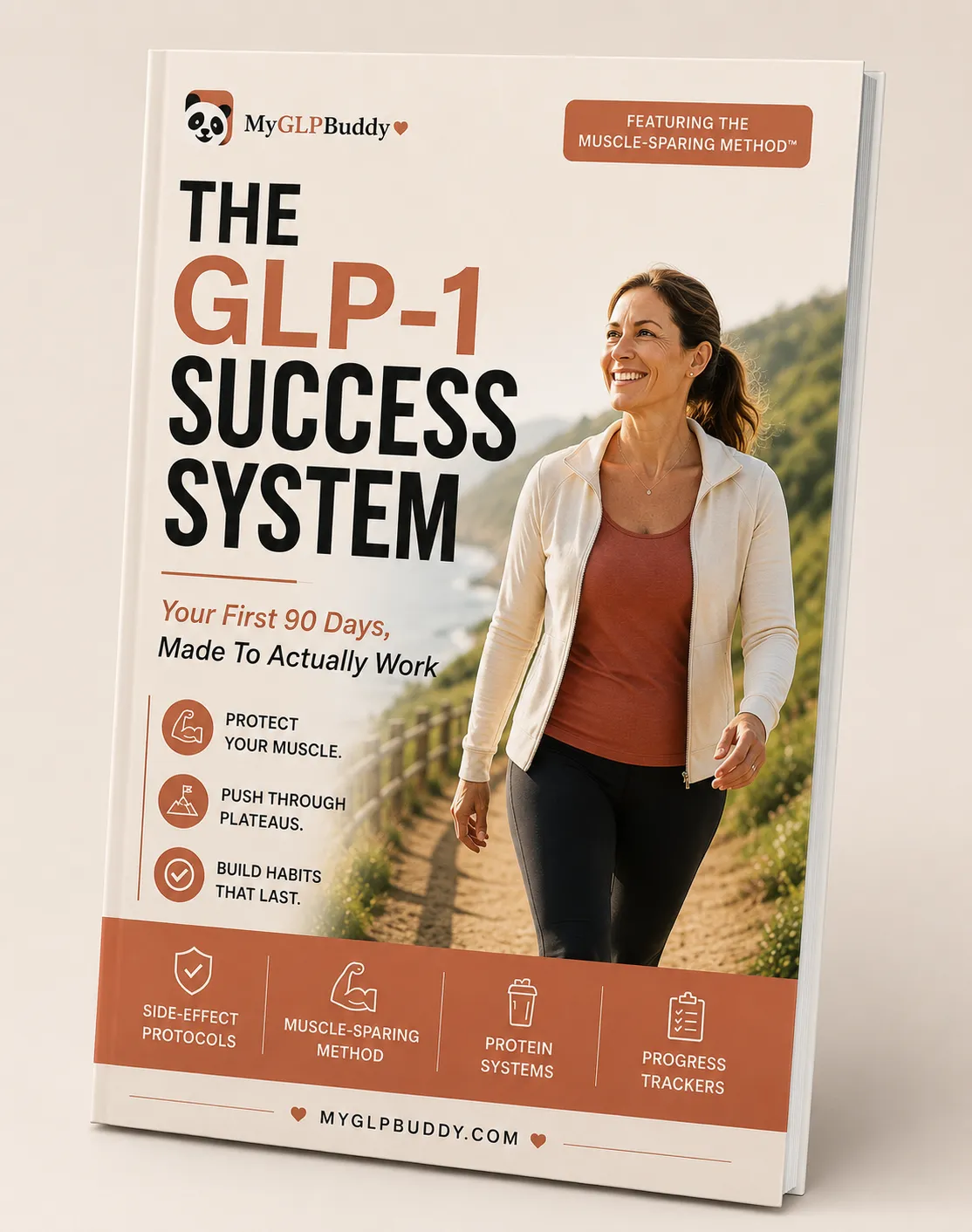
A done-for-you plan that avoids all of these
7. Weighing yourself every day. Daily weight swings 2 to 4 pounds on water, salt, and food, which has nothing to do with fat. Daily weigh-ins just mess with your head. Fix: weigh weekly at most, same day and time, and watch the trend line.
8. Losing weight too fast. Faster is not better. Very rapid loss raises the risk of muscle loss, hair shedding, and the hollow, sunken-face look. Fix: aim for a steady pace, follow your provider’s dose schedule rather than rushing it, and keep protein and strength up. See our hair loss guide for why pace matters.
9. Powering through severe side effects in silence. Mild nausea is expected. Severe or persistent vomiting, dehydration, or intense pain is not, and white-knuckling it can be risky. Fix: tell your provider. Your dose or timing can often be adjusted so you feel better.
10. Big, late-night meals. Slowed digestion plus lying down soon after eating is a recipe for reflux and broken sleep. Fix: keep dinner lighter and finish two to three hours before bed. Our light dinners guide has ideas.
11. Forgetting fiber, water, and movement. A slowed gut plus eating less very often means constipation. Fix: build up fiber gradually, drink enough, move daily, and consider magnesium. Full playbook in our constipation guide.
12. Ignoring the mental and emotional side. Weight loss can stir up identity, relationships, and old patterns, and for many people food was a real coping tool. Fix: notice what comes up, lean on support, and treat yourself with the same patience you would a friend.
Why plateaus are normal (and not your fault)
The one habit that prevents most of these
Signs a beginner mistake is catching up with you
You’re wiped out by mid-afternoon. Usually a fuel or protein gap, or simple dehydration. Eat enough, get protein in early, and add electrolytes. More in our fatigue guide.
Your hair is shedding more than usual. Often a sign of losing weight too fast or eating too little protein. Steady the pace and hit your target. See the hair loss guide.
You’re constipated or bloated. Not enough fiber, water, or movement. Build fiber up gradually and walk daily. Full fixes in our constipation guide.
You feel dizzy or lightheaded. Commonly dehydration or under-eating. Sip fluids through the day and stop skipping meals.
The scale hasn’t moved in two weeks. Usually a normal plateau, not a mistake. Hold steady instead of cutting food further.
You feel deprived and irritable. A sign you’re under-fueling or being too strict. Add protein and a little flexibility back in.
How to get back on track in 7 days
Day 1: nail your protein. Set your daily target and hit it, protein first at every meal.
Day 2: fix your hydration. Carry a water bottle and add an electrolyte drink to the routine.
Day 3: add movement. A 15-minute walk today, and book one short strength session this week.
Day 4: clean up dinner. Lighter and earlier, finished two to three hours before bed.
Day 5: sort out the scale. Put it away except for one weekly weigh-in at a set time.
Day 6: restock and prep. Shop for gentle, protein-rich foods and batch-cook a couple of proteins.
Day 7: check in with yourself. Note how you feel, what’s working, and the one habit you want to keep.