Start here
Starting Ozempic: What to Expect Your First Week and First Month
By The My GLP Buddy Team · Medically reviewed by Dr. Matt K, MD · Updated June 2026
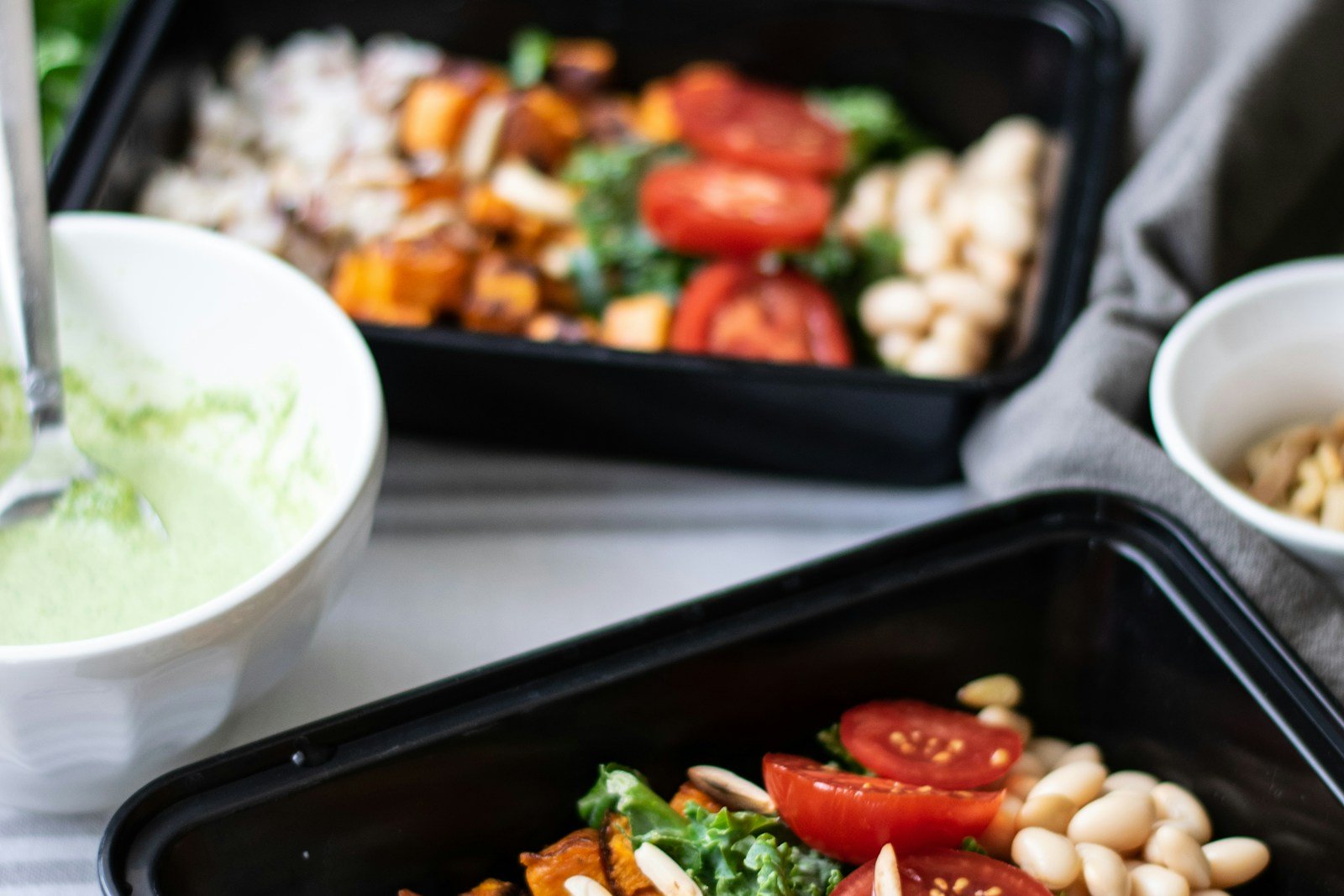
Starting Ozempic can feel like stepping into the unknown, especially after reading the scary stories online. Here’s the reassuring truth: the first week is usually quieter than you expect. You begin on a low 0.25 mg starter dose, which exists to ease your body in, not to drive big weight loss. Most people feel little on day one, get some mild nausea around days two to four if anything, and notice their appetite quiet down by the end of the week. Weight loss in week one is typically 0 to 2 pounds, and often none. All of that is normal.
This guide walks you through exactly what to expect, day by day and into your first month: the prep that makes week one easier, the side effects and what actually helps, how your appetite shifts, what is realistic for weight loss, and the clear signs that mean you should call your doctor.
What's in this guide
Before your first shot • What the first dose does • Your first week, day by day • Side effects and what helps • Appetite and food noise • Weight loss in week one • Eating well from day one • Your first month and dose increases • Normal vs. call your doctor • FAQ
Before your first shot: a little prep goes a long way
Ten minutes of preparation makes the whole first week smoother. You don’t need anything fancy, just a few small decisions in advance.
Choose your injection day wisely. Ozempic is once a week, and you’ll take it on the same day every week from here on. Pick a day when you can rest if nausea shows up. A lot of people choose Friday evening or Saturday morning so they have the weekend to settle. Avoid starting right before travel, a big event, or a packed day.
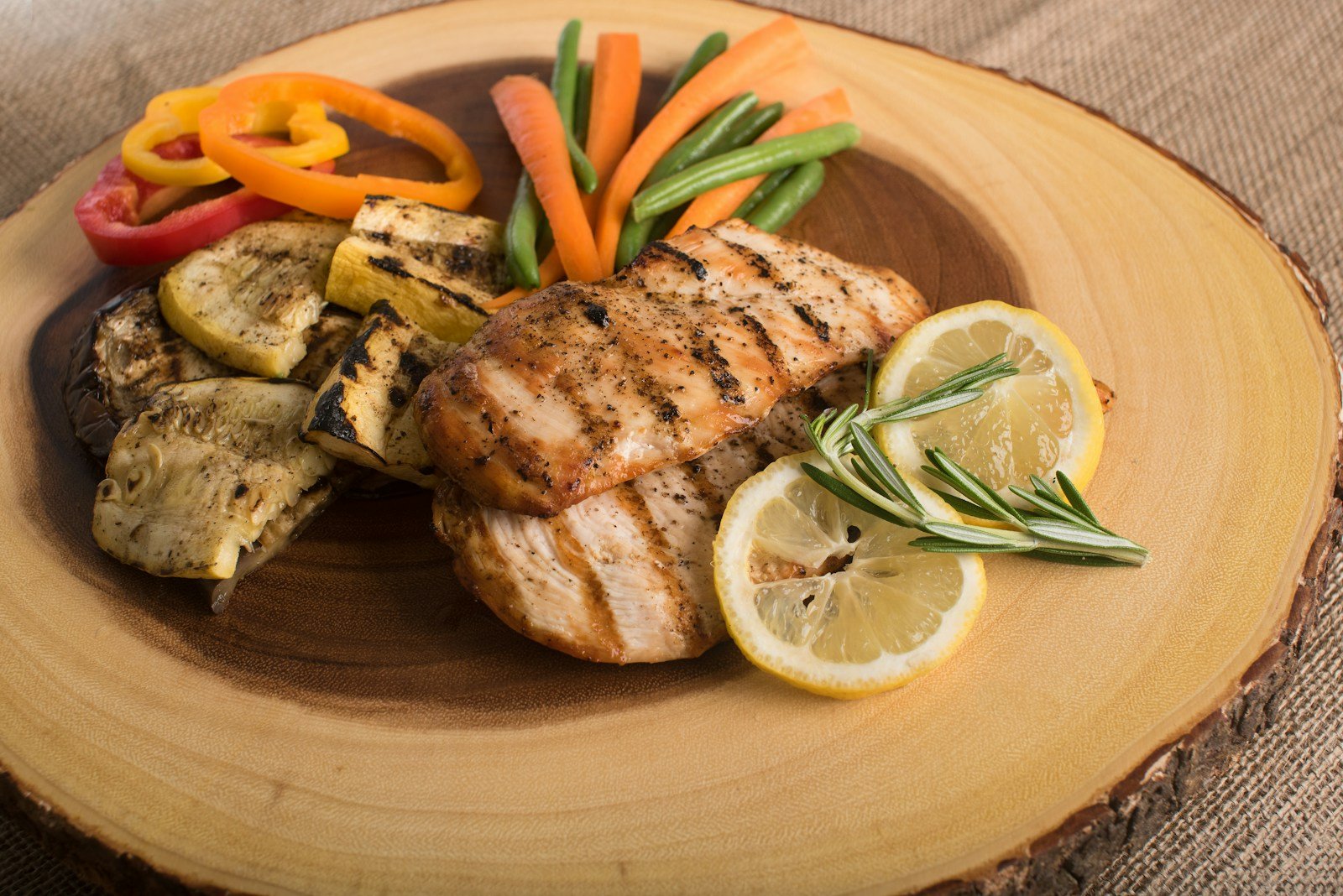
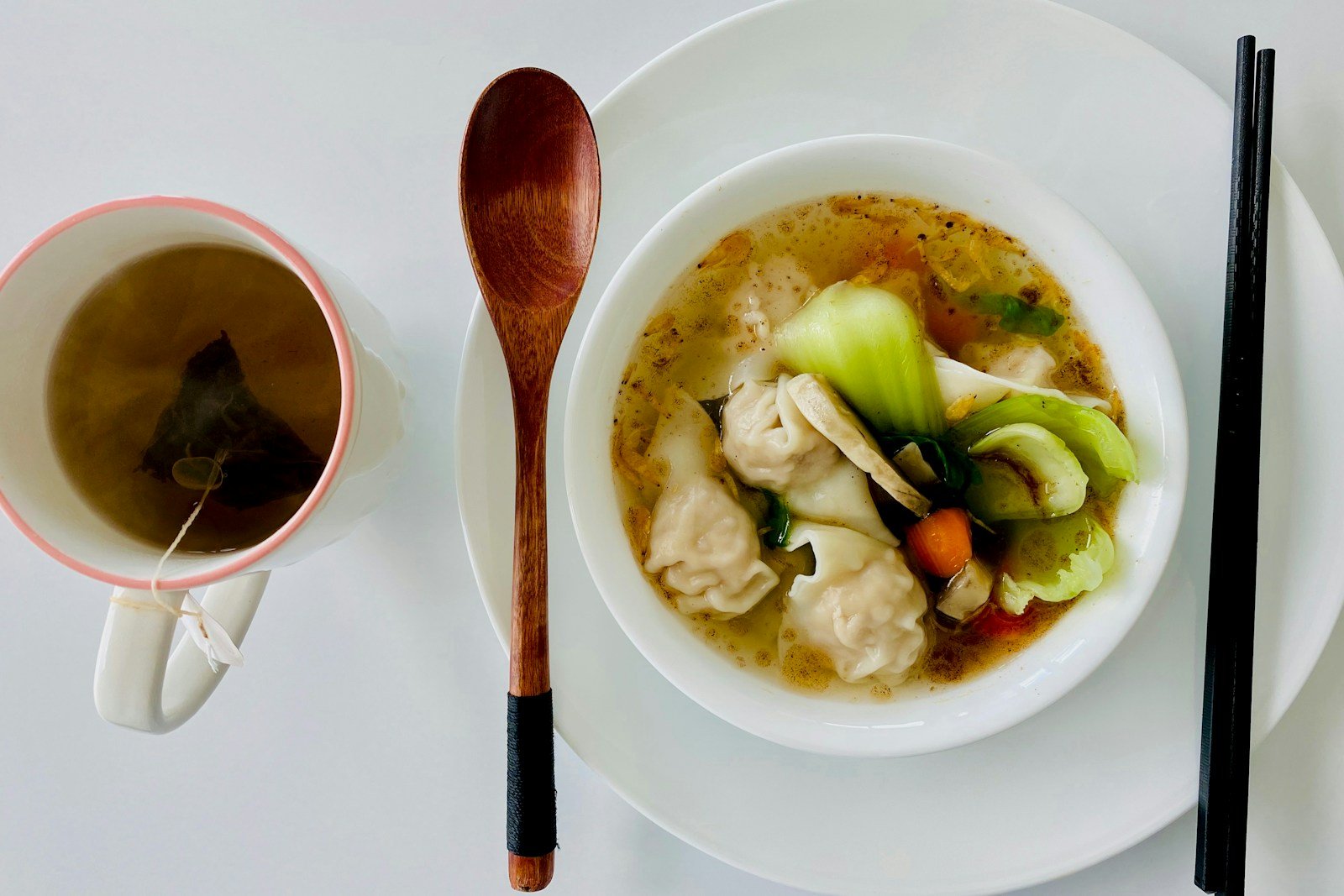
Stock bland, easy foods first. Before day one, get in crackers, rice, bananas, plain toast, broth, ginger tea, and Greek yogurt. If any queasiness hits, these are gentle and easy to keep down. Heavy, greasy, or very rich foods tend to make things worse.
Know your injection sites. The three approved areas are the abdomen, the front of the thigh, and the back of the upper arm. Rotate between them so you’re not using the same spot each week. If your pharmacist didn’t walk you through it, ask before your first dose.
Set a weekly reminder. A once-weekly medication is surprisingly easy to forget compared with a daily pill, because there’s no built-in daily habit. Set a recurring alarm on your phone for your chosen day so a missed dose never sneaks up on you.
What your first dose actually does
Ozempic (semaglutide) is a GLP-1 medication. It mimics a hormone your body releases after eating, which does three main things: it slows how fast your stomach empties, signals fullness to your brain, and helps steady your blood sugar. That combination is why your appetite quiets and your portions start to feel smaller.
Your starting 0.25 mg dose is deliberately low. As Cleveland Clinic explains, this starter dose is meant to ease your body into the medication and limit side effects, not to produce major weight loss yet. Think of it as a bridge. The dose steps up over the coming weeks once your body has adjusted, and that’s when more of the appetite and weight effects show up.
Your first week on Ozempic, day by day
Day 1: injection day
Most people feel very little on day one. Semaglutide absorbs slowly, so don’t expect a dramatic change. You might notice a slightly smaller appetite by evening, or nothing at all. Both are completely normal. Eat your regular meals, lean a little lighter if you want to be cautious, and drink plenty of water.
Days 2 to 4: the adjustment
This is when side effects, if you get any, are most likely to appear. Nausea is the common one, affecting roughly 1 in 5 people on the starter dose, and it usually peaks around 48 to 72 hours after your shot. For most people it feels more like mild motion sickness or being a bit too full than anything violent. You may also notice your appetite drop more clearly here, and maybe some mild tiredness.
What helps: eat smaller portions across the day, skip greasy and very sweet foods, sip ginger tea, stay hydrated, and don’t lie down flat right after eating. Our full guide on what to eat for Ozempic nausea goes deeper.
Days 5 to 7: settling in
By the back half of the week, most people feel more normal again. If you had nausea, it tends to ease as you approach your next dose. Your appetite may feel noticeably smaller, or you may not notice much yet at 0.25 mg. Try not to weigh yourself daily, since day-to-day weight swings of 2 to 4 pounds from water and food are meaningless this early.
Side effects to expect, and what actually helps
Most early side effects are mild, temporary, and tied to your slowed digestion. Here are the common ones and where to get the full playbook on each.
Nausea. The most common, usually mild, and easiest to manage with cold, bland, smaller meals. See what to eat for nausea.
Constipation. A slowed gut can firm things up. Water, gradual fiber, magnesium, and movement usually fix it. See constipation relief.
Fatigue. Often from eating and drinking less rather than the drug itself. Fuel and fluids help. See fatigue and low energy.
Burping or reflux. Slowed digestion can cause gas and the occasional sulfur burp. See sulfur burps. The official Ozempic side-effect information lists nausea, vomiting, diarrhea, stomach pain, and constipation as the most common early effects, and most ease as your body adapts.
Appetite changes and the quieting of food noise
The change most people notice first is what some call ‘early satiety.’ You sit down to a normal plate and feel full after a fraction of it. That’s the slowed stomach emptying sending fullness signals to your brain much sooner than you’re used to.
Many people also describe the ‘food noise’ going quiet. The constant background chatter about the next snack or meal softens, and you simply think about food less. This isn’t a side effect to fix. It’s the medication working, and it’s the part that makes eating less feel natural instead of forced.
What about weight loss in week one?
Here’s our honest take: set the scale aside for now. Weight loss in the first week is typically 0 to 2 pounds, and plenty of people see none at all. The 0.25 mg dose is a starter, not a therapeutic weight-loss dose, so judging the medication by week one is like rating a book by its first page.
Daily weigh-ins will only stress you out, because normal water shifts swing the number more than any real fat change this early. Weigh weekly at most, at the same time of day, and give the process a few weeks before drawing any conclusions.
Your first 90 days, mapped out
The GLP-1 Success System walks you through the early months step by step, with what to do at each dose, how to protect your muscle, and how to build habits that actually stick past the first year.
Eating well from day one
Even at the starter dose, the eating habits you build now pay off for months. Four simple rules carry most of the weight:
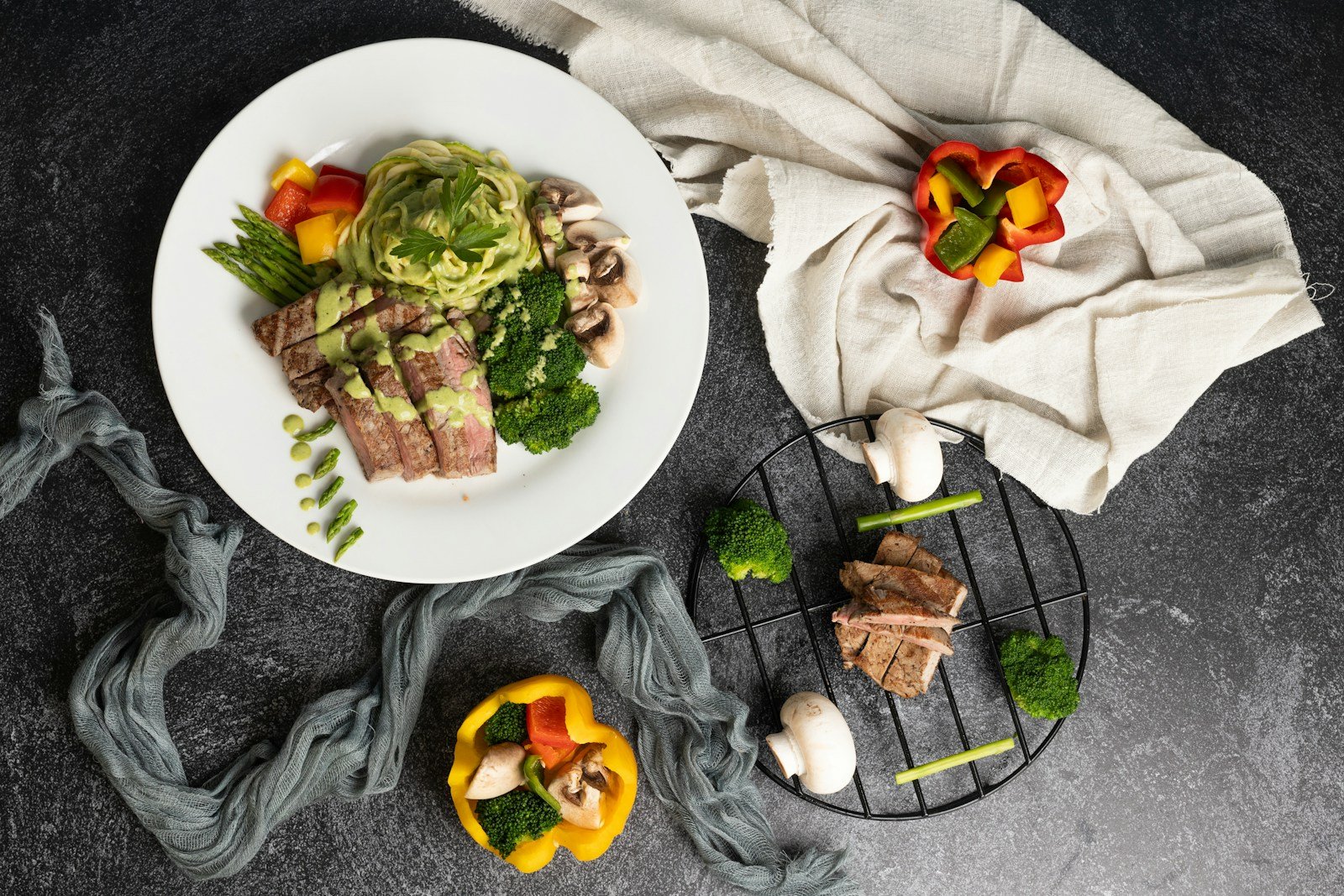
Protein first. When you fill up after a few bites, you want those bites to be protein. It protects your muscle while you lose weight. Not sure of your daily target? Our free calculator and protein guide make it clear.
Small and often. Two or three small, dense meals plus a snack beat one big plate you can’t finish. If your appetite is really low, see eating with no appetite.
Gentle over rich. Soft, lean, and warm sits better than heavy and greasy. Our what to eat on Ozempic list is built for this, and our high-protein snacks cover the in-between hours.
Hydrate. Eating less often means drinking less too, and mild dehydration makes nausea and fatigue worse. Sip water through the day, and consider an electrolyte drink early on.
Your first month: dose increases and what shifts
After about four weeks on 0.25 mg, your prescriber will usually step you up to 0.5 mg, and the dose continues to climb over the following months toward your maintenance level. Each increase is when the appetite and weight effects deepen, and also when side effects can briefly flare again before settling. A rough week right after a dose bump is normal, so plan your gentlest eating for the day or two after.
The biggest first-month challenge isn’t side effects, though. It’s consistency. Only a minority of people are still taking GLP-1 medications a year in, and the ones who succeed tend to build the habit early: same injection day each week, protein locked in, and a simple way to track how they’re feeling. If you set those rails now, the months ahead get much easier.
Normal vs. when to call your doctor
Normal and expected in the first weeks:
- Mild to moderate nausea that’s manageable with food changes
- Reduced appetite and feeling full fast
- Constipation or looser stools
- Mild bloating, gas, or burping
- Slight fatigue or a mild headache
- Little or no weight change in week one
Call your doctor promptly if you have:
- Severe or persistent vomiting, or you can’t keep fluids down
- Severe stomach pain, especially pain that radiates to your back (a rare but serious sign of pancreatitis)
- Signs of an allergic reaction, like rash, swelling, or trouble breathing
- Signs of dehydration, like dizziness, dark urine, or extreme fatigue
- Vision changes, particularly if you have diabetic eye disease
- Any symptom that feels genuinely wrong rather than just uncomfortable
A note: this article is educational and not medical advice. When in doubt, call your prescriber. They would much rather reassure you than have you stop the medication on your own.
One reader spent the night before her first shot bracing for the worst. Day one came and went with nothing. A little queasiness on day three, gone by the weekend. By week four she said the scariest part had been the anticipation.
Want a calmer GLP-1 shot day?
The GLP-1 Shot Day Protocol gives you an hour-by-hour food and hydration plan for the days appetite, nausea and energy get unpredictable.
Frequently asked questions
If you get them, side effects like nausea usually appear around days 2 to 4 and ease by days 5 to 7 as you approach your next dose. They tend to soften further over the first few weeks as your body adjusts.
Usually very little, often 0 to 2 pounds and sometimes none. The 0.25 mg starter dose is about easing in, not weight loss. Meaningful results come over the following months as the dose increases.
Small, protein-first meals with gentle, easy-to-digest foods: eggs, Greek yogurt, chicken, white fish, oatmeal, and soups. Avoid greasy, fried, spicy, and very sugary foods, and eat slowly.
Pick a day you can rest if needed, like a Friday or Saturday, and take it on that same day every week. Consistency keeps your levels steady.
Completely normal. About 4 in 5 people have no significant side effects on the starter dose, and many feel little change at all in week one. It does not mean the medication isn’t working.
It is best to go easy. Alcohol can worsen nausea and affect blood sugar, and a slowed stomach changes how it hits you. If you drink, keep it small and have it with food.
It starts acting right away on appetite and blood sugar, but the noticeable appetite and weight effects build over weeks as your dose increases from 0.25 mg toward your maintenance dose.
GB
The My GLP Buddy Team
Medically reviewed by Dr. Matt K, MD. We write plain-language, protein-first guidance for people navigating GLP-1 medications, reviewed by a physician for accuracy. Support for the day-to-day, not a replacement for your own care team.
Free download
Get the free GLP-1 starter grocery list
The bland-and-gentle foods to stock before your first shot, plus weekly tips for your first month. No spam.